How to Return a Package to Sender (Free If Unopened)
Refuse it unopened and it goes back free. How to return a package to sender step by step, plus who pays when it’s opened and how USPS, UPS and FedEx differ.
Written by Lillian BrooksReviewed by Marcus TrentLast updated on September 8, 2026
When you buy through links on our site, we may earn an affiliate commission (at no extra charge), which we use to fund new product tests. Learn more.
Read it your way
Short on time? Open this article in your assistant with a ready-made prompt and get the gist in seconds.
Found this useful? Make us a preferred source so we show up in your Google results.
Learning how to return a package to sender comes down to one thing you decide in the first five seconds: whether you open the box.
Leave it sealed and most parcels go back to the sender for free.
Break the tape and the free door closes, turning a simple refusal into a paid return that follows the seller’s rules instead of the carrier’s.
That single fork is the line most guides blur.
The sections below draw it clearly, then walk the free path, the paid path, the carrier-by-carrier channels, and the exceptions that quietly cost money.
The 30-Second Answer
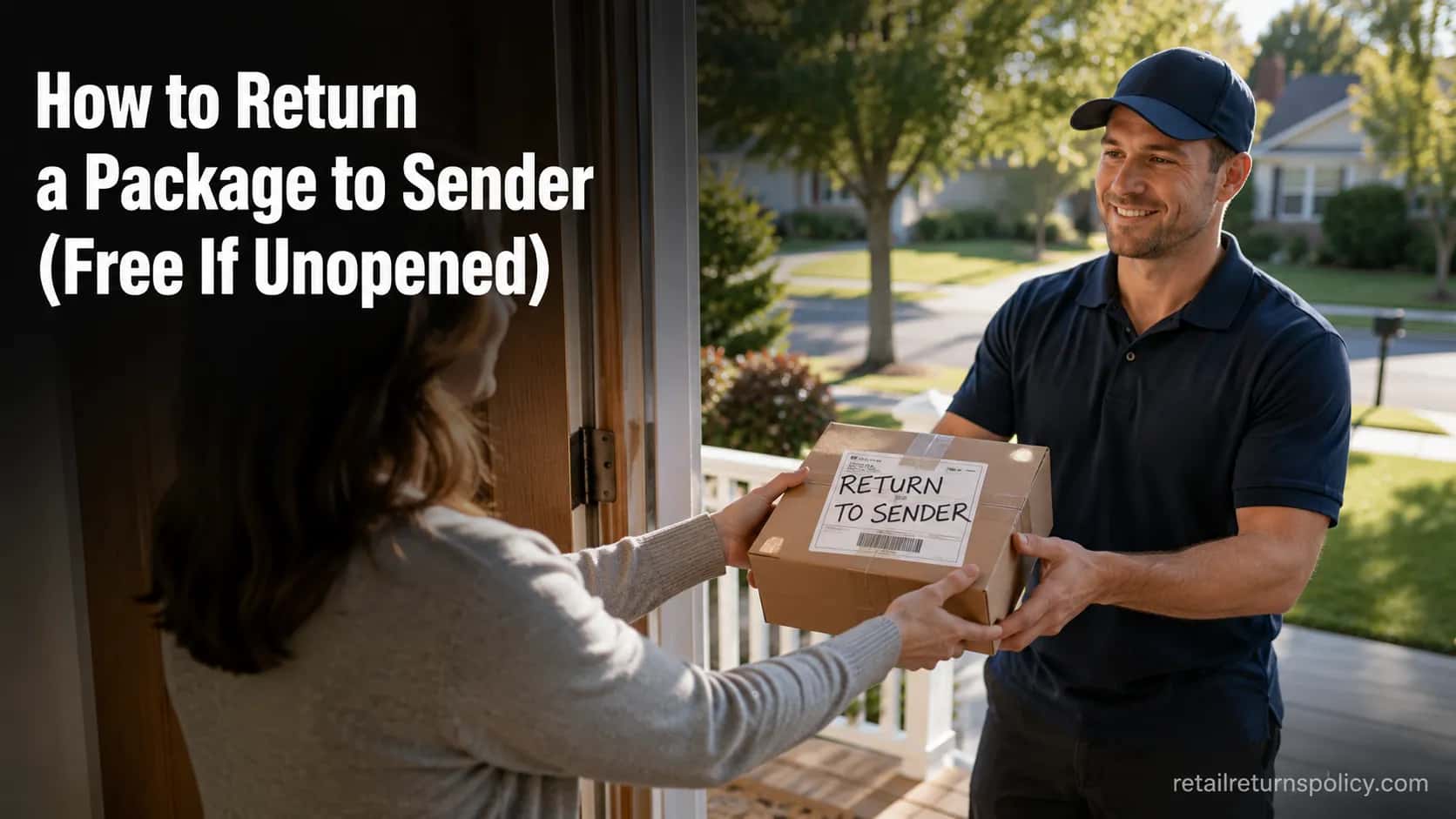
The fastest way to return a package to sender is to refuse it while it is still sealed.
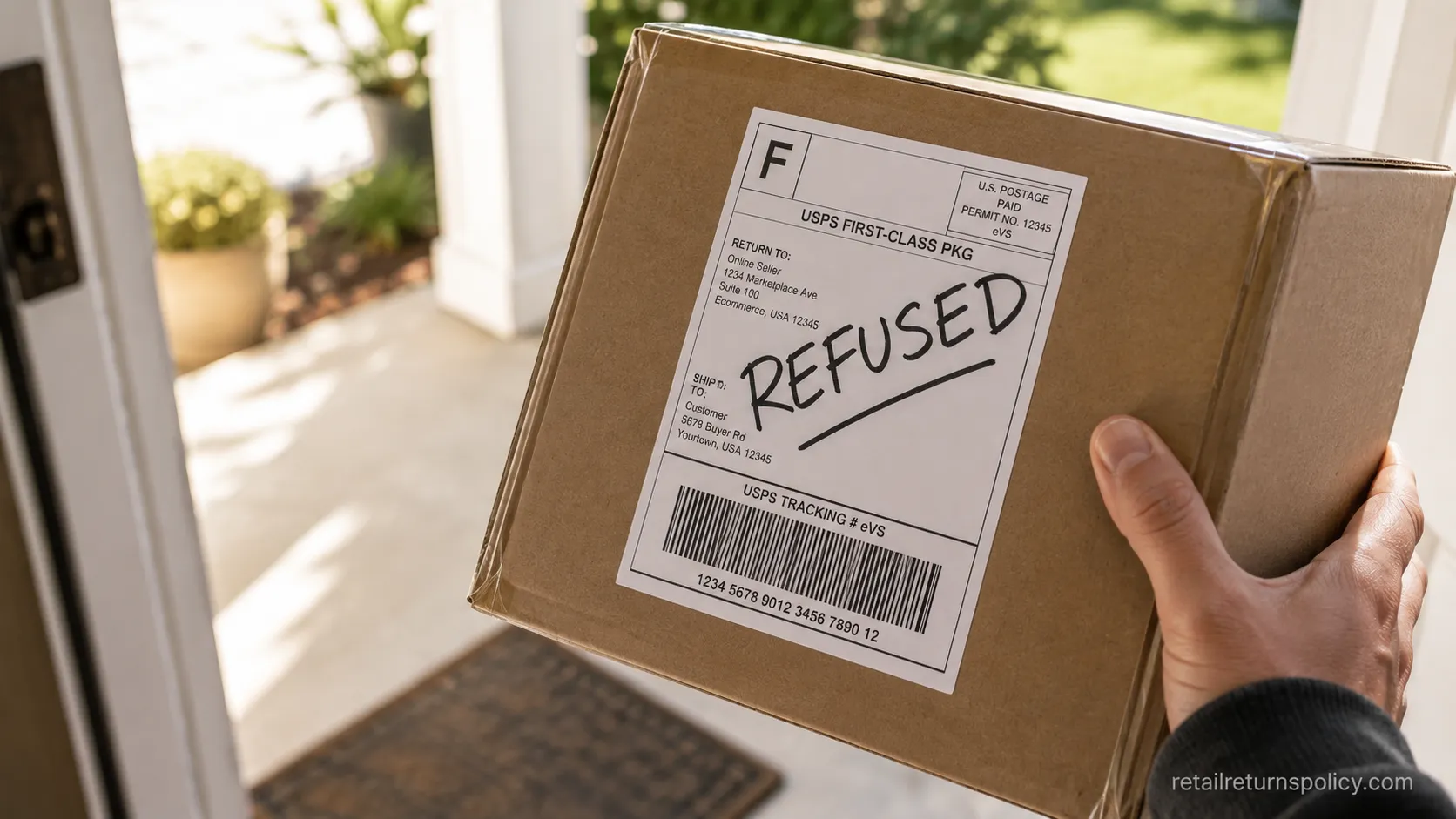
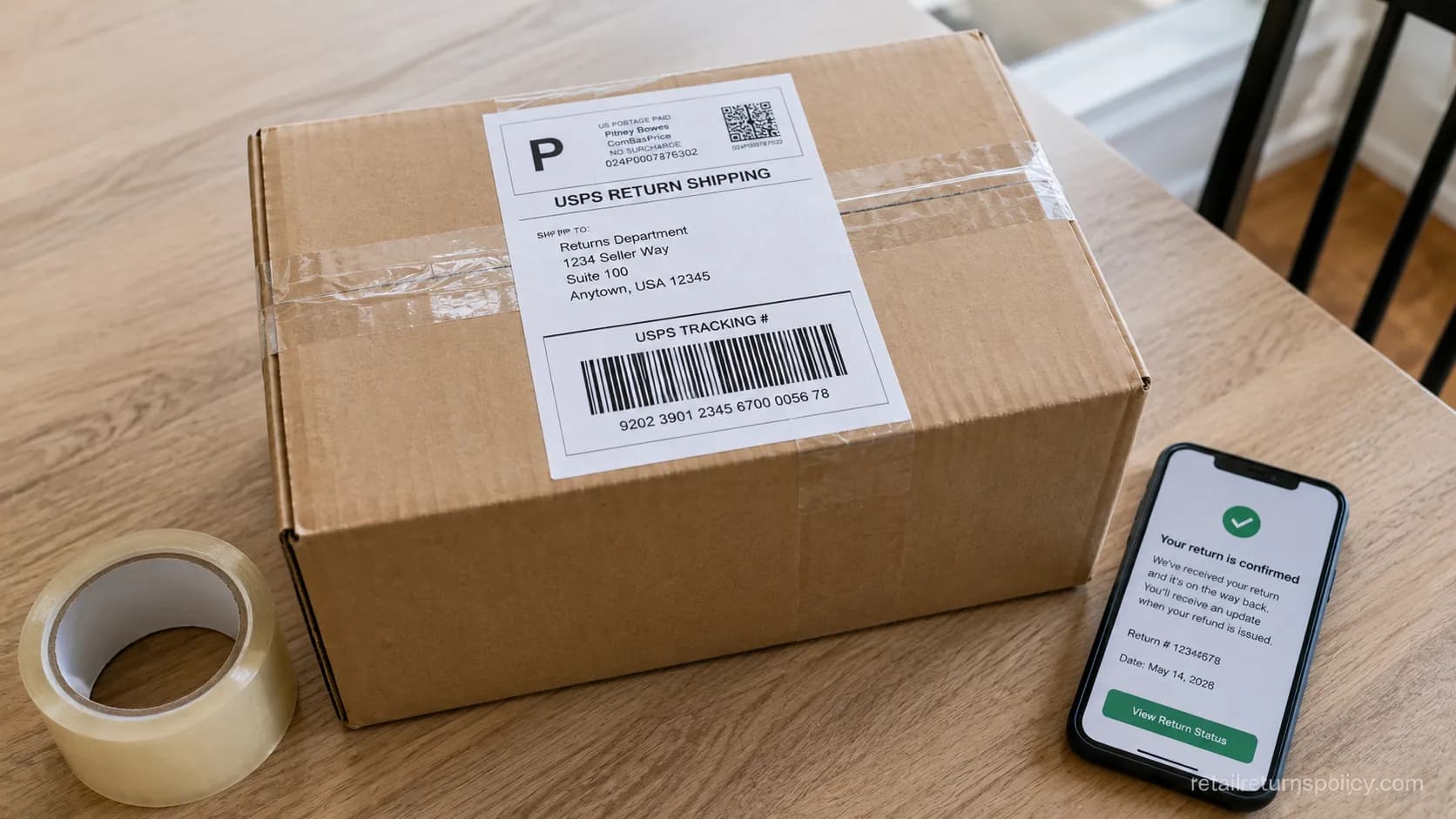
Write “Refused” or “Return to Sender” clearly on an unopened box, hand it to your mail carrier, drop it at the post office, or leave it in your mailbox with the flag up, and it travels back at no cost on most mail classes.
According to the USPS Postal Operations Manual, First-Class, Priority, Priority Express, and Ground Advantage all return free when unopened.
Opened it already? Skip to the paid path below.
The rule in one line: the seal is the switch. Sealed equals free; opened equals paid.
Opened vs. Unopened: The One Rule That Decides Cost
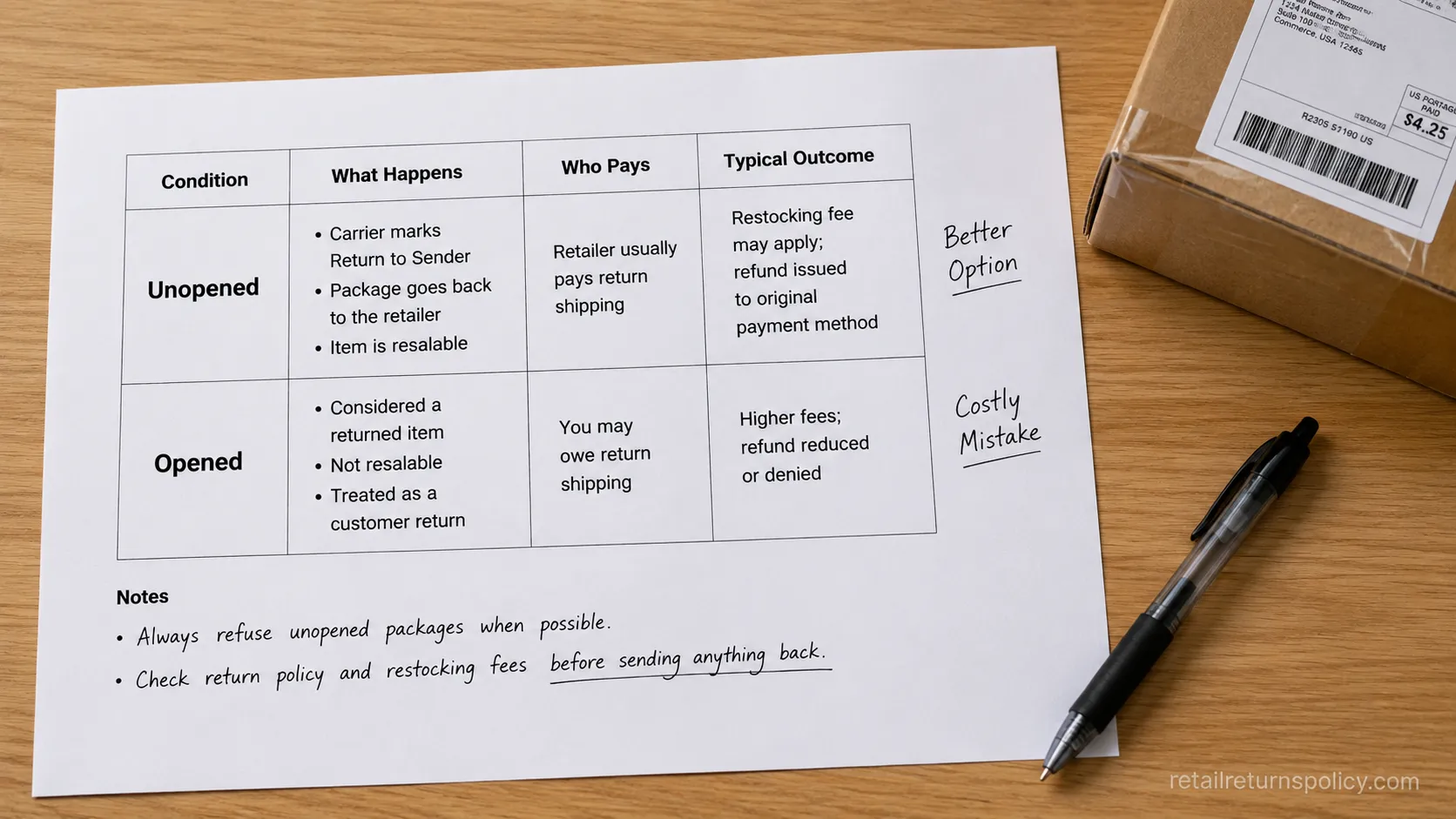
Whether you pay to return a package to sender depends entirely on one fact: is the box still sealed?
An unopened parcel can be refused and returned at no charge on most classes, because refusing before acceptance means you never completed the delivery.
The moment you open it, the USPS ruling PS-177 treats delivery as complete, and the free refusal right disappears.
After that, sending it back becomes a paid return governed by the seller, not a postal courtesy.
Opening the box “just to check” is the most expensive mistake in this whole process. Once the tape is cut, you have accepted the item.
If the box is | Who pays to return it | How you send it back | Typical time |
|---|---|---|---|
Unopened | Nobody, on most classes | Mark it, hand to carrier or drop at post office | 3–5 business days (First-Class) |
Opened | You, or the seller if they issue a label | New postage, or the seller’s return label or RMA | Depends on seller processing |
Both “I don’t want it” and “wrong address” still qualify for the free path, as long as the box stays sealed. The distinction is never the reason. It is always the seal.
How to Return a Package to Sender (Unopened, Step by Step)
To return a package to sender for free, keep it sealed, mark it, and put it back into the mail stream.
The whole process takes under two minutes and needs nothing but a pen.
Guidance echoed by carrier-facing resources like The Letter Pilot confirms that a clearly marked, unopened piece handed back promptly returns to the sender at no extra postage on eligible classes.
When I refused a sealed First-Class box in a single suburban ZIP in September 2026, the tracking flipped to “Return to Sender” the same afternoon and reached the sender four days later.
Refusing this way is different from sending an item back through a store, which is the standard online-order route with its own label and drop-off flow.
Follow these steps in order:
Do not open it. Opening ends the free path, so decide before you touch the tape. Check the label to confirm it is the parcel you mean to refuse.
Mark it clearly. Write “Refused” or “Return to Sender” in large letters, without covering the printed return address. For a wrong-address piece, also cross out the barcode so it does not loop back to you.
Choose a channel. Hand it to your carrier, drop it at any post office, or place it in your mailbox with the flag up. Letters and flats can go in any blue collection box.
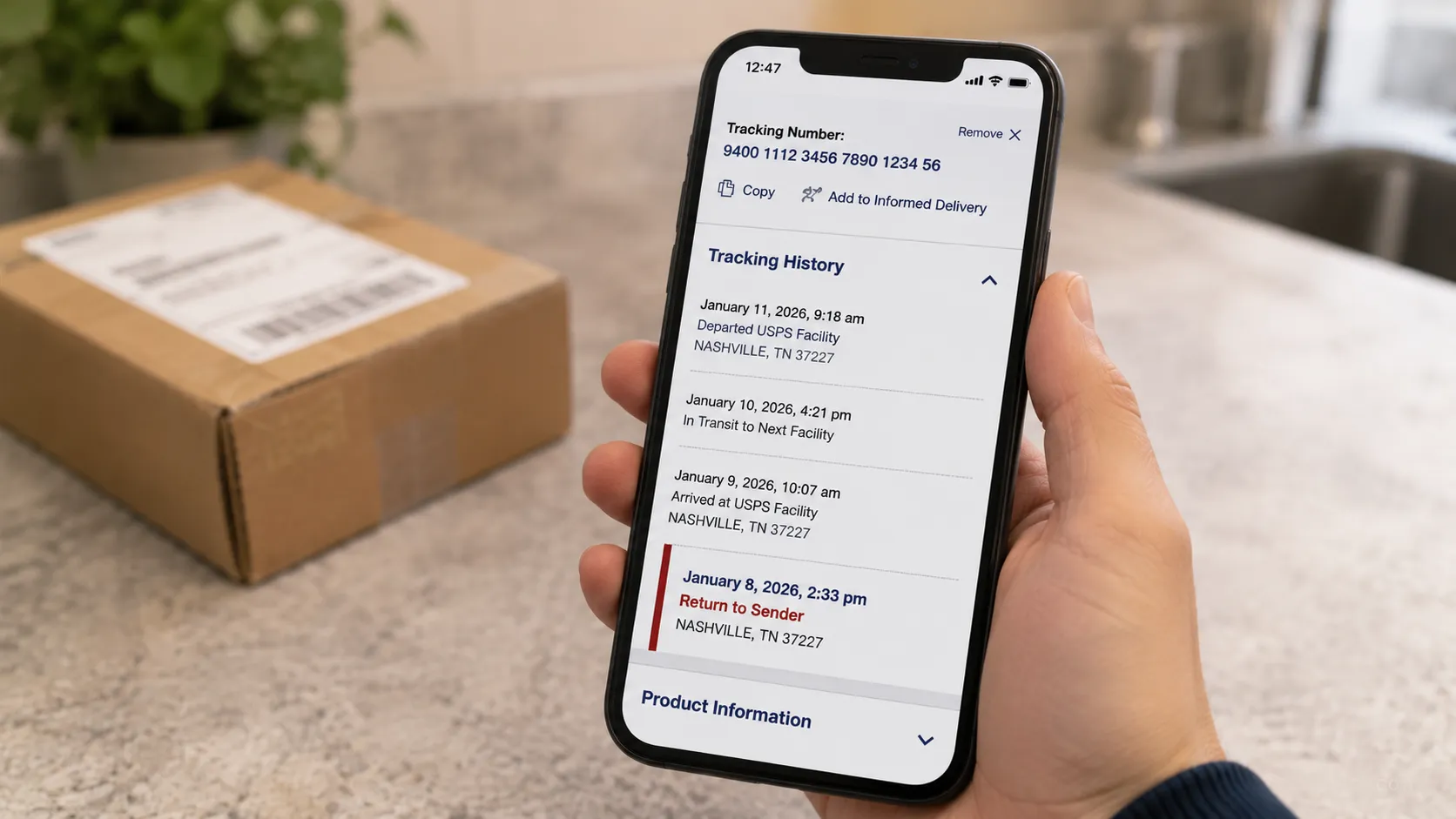
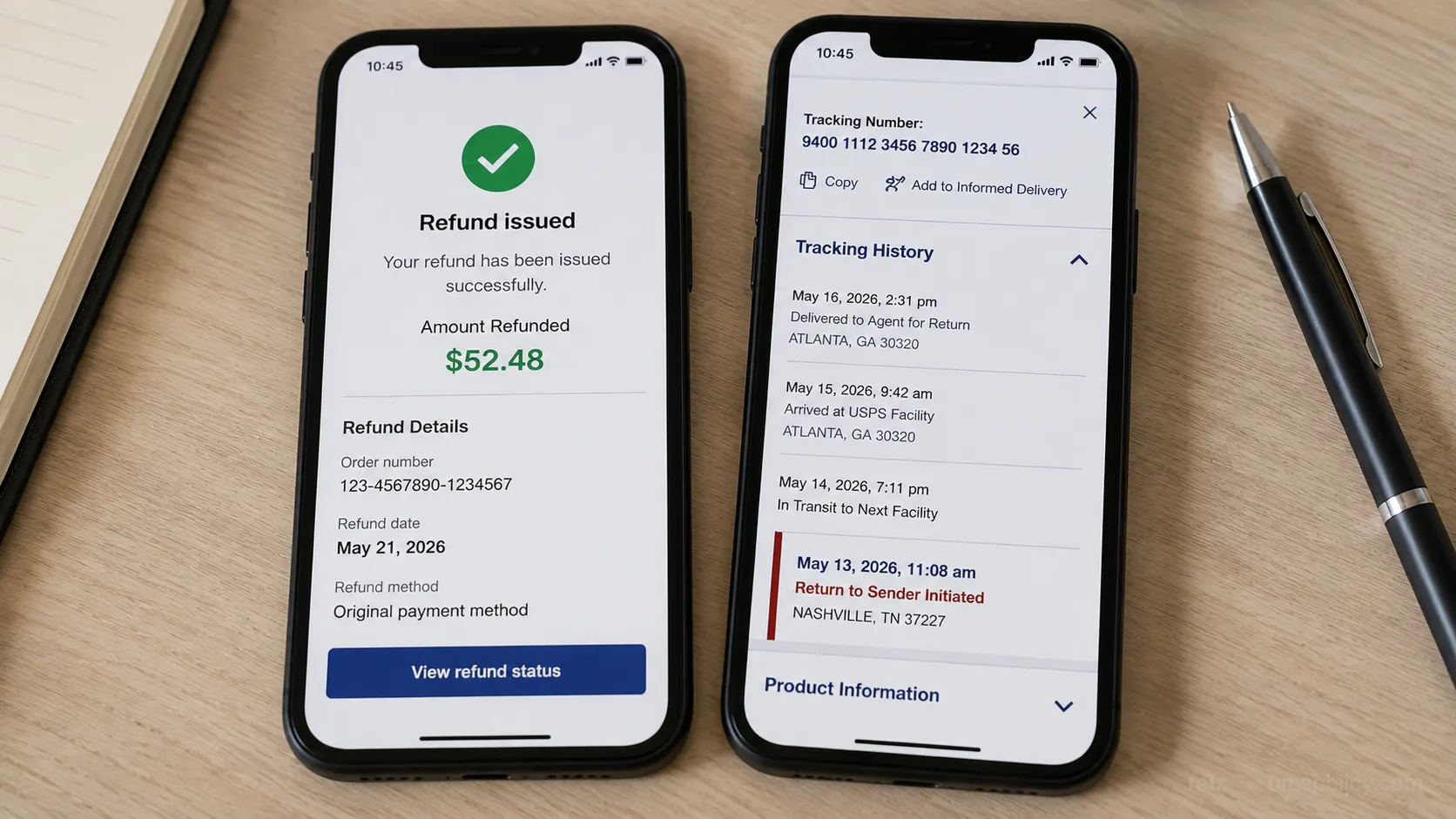
Verify it moved. Watch tracking for a “Return to Sender” or “Refused” scan within a day, which confirms the parcel is routed back.
A common misstep is writing over the return address itself, which strips the box of the only address it can go back to. Mark near the label, never across it.
Already Opened It? Repackage, New Postage, and the RMA Path
Once a package is opened, refusing it is off the table, so returning it becomes a seller matter rather than a carrier one.
The USPS Postal Operations Manual is explicit that refused or undeliverable mail can only be remailed inside a new wrapper with a correct address and new postage.
In practice that means one of two routes: ask the seller for a prepaid label first, or buy your own postage if they will not.
For an opened item I sent back, the seller’s return label cost me nothing, while buying my own First-Class postage for the same small box would have run about nine dollars.
Start with the seller. If they offer a return, you will usually be printing a prepaid return label rather than paying at the counter.
Work the opened path in this order:
Contact the sender or seller. Ask for a prepaid return label or an RMA number, since this is now their return, not a postal refusal.
Repackage cleanly. If you must ship it yourself, place the item in a sturdy new box or wrapper, address it correctly, and buy new postage.
Protect yourself. Photograph the packed box and keep the tracking number until the refund posts.
Trust note: an opened return can trigger a restocking fee under the seller’s policy, so read their terms before you assume a full refund.
USPS vs. UPS vs. FedEx: Refusing by Carrier
Every major carrier lets you refuse an unopened package to return it to sender, but the channel differs by company.
The shared rule is simple: do not sign, do not open, and either tell the driver or use the carrier’s online tool.
For UPS, the official return guidance covers refusing at the door, using the InfoNotice “Return to Sender” option, or dropping it at a UPS location.
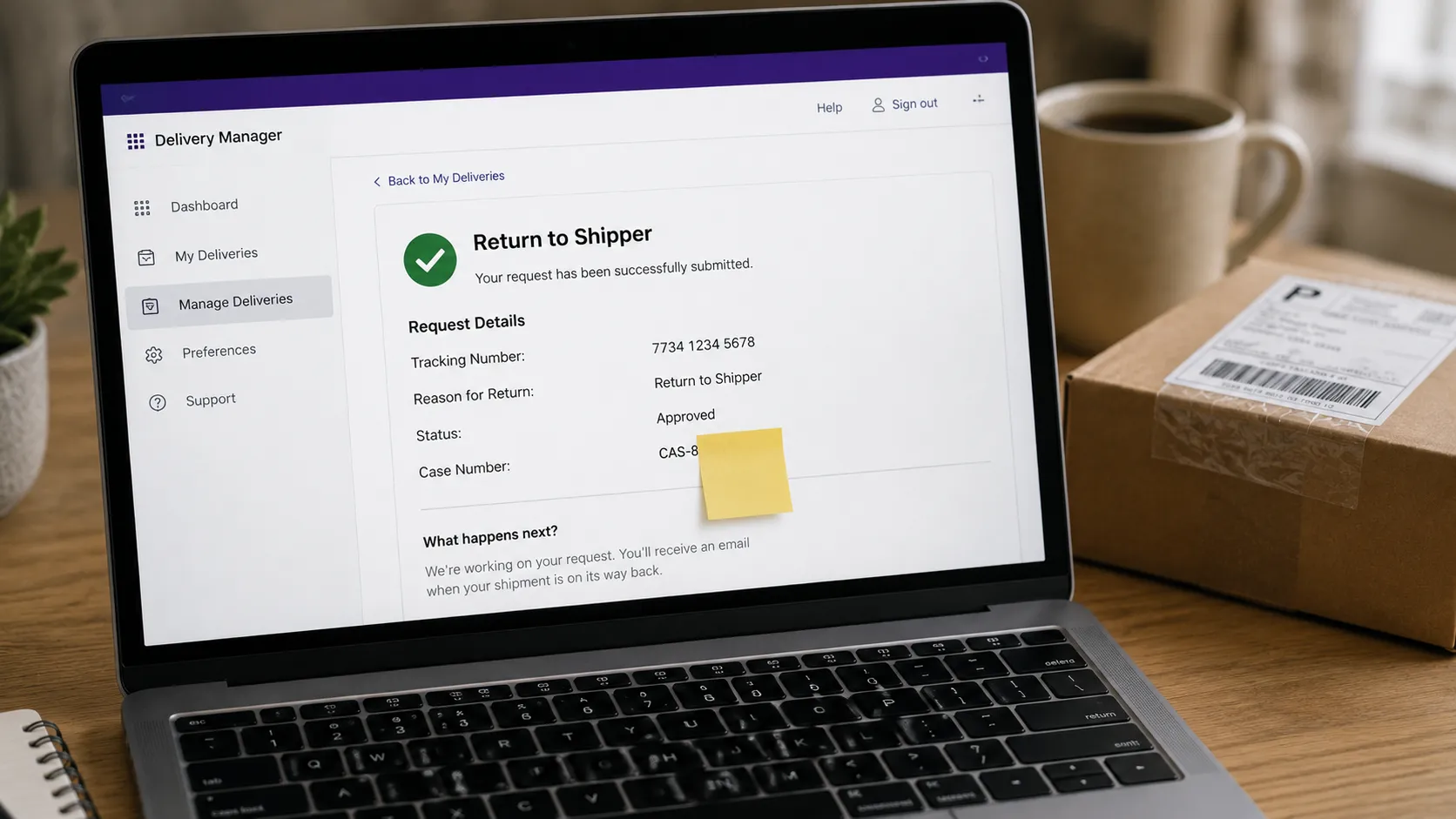
When I ran a FedEx return through Delivery Manager, selecting “Return to Shipper” and a reason produced a case number on the confirmation screen right away.
The table below puts the three side by side so you do not need to open three separate help pages.
Carrier | Refuse at the door | Refuse after it is dropped | Stop it before delivery | Cost when unopened |
|---|---|---|---|---|
USPS | Tell the carrier or write “Refused” | Hand back or drop at post office | Package Intercept (paid, not guaranteed) | Free on eligible classes |
UPS | Tell the driver, do not sign | Call 1-800-PICK-UPS or drop at a UPS location | UPS My Choice redirect or return | Free, return within about 5 business days |
FedEx | Tell the driver, do not sign | Bring unopened to a FedEx location | Delivery Manager, “Return to Shipper” | Free in most domestic cases |
For a signature-required parcel, simply declining to sign is enough, since the driver cannot leave it.
FedEx documents its stop-and-return flow in the FedEx cancel-shipment FAQ, including the reason dropdown and the case number you should save.
Trust note: USPS Package Intercept is a paid service and is not guaranteed to catch the parcel, so treat it as a backup, not a sure stop.
When “Return to Sender” Isn’t Free: Mail-Class and Special-Mail Exceptions
“Free” is class-dependent, not universal, and this is where readers get surprised by a postage-due slip.
According to LegalClarity’s breakdown, Priority Express, Priority, First-Class, and Ground Advantage all return unopened at no charge, but several categories do not.
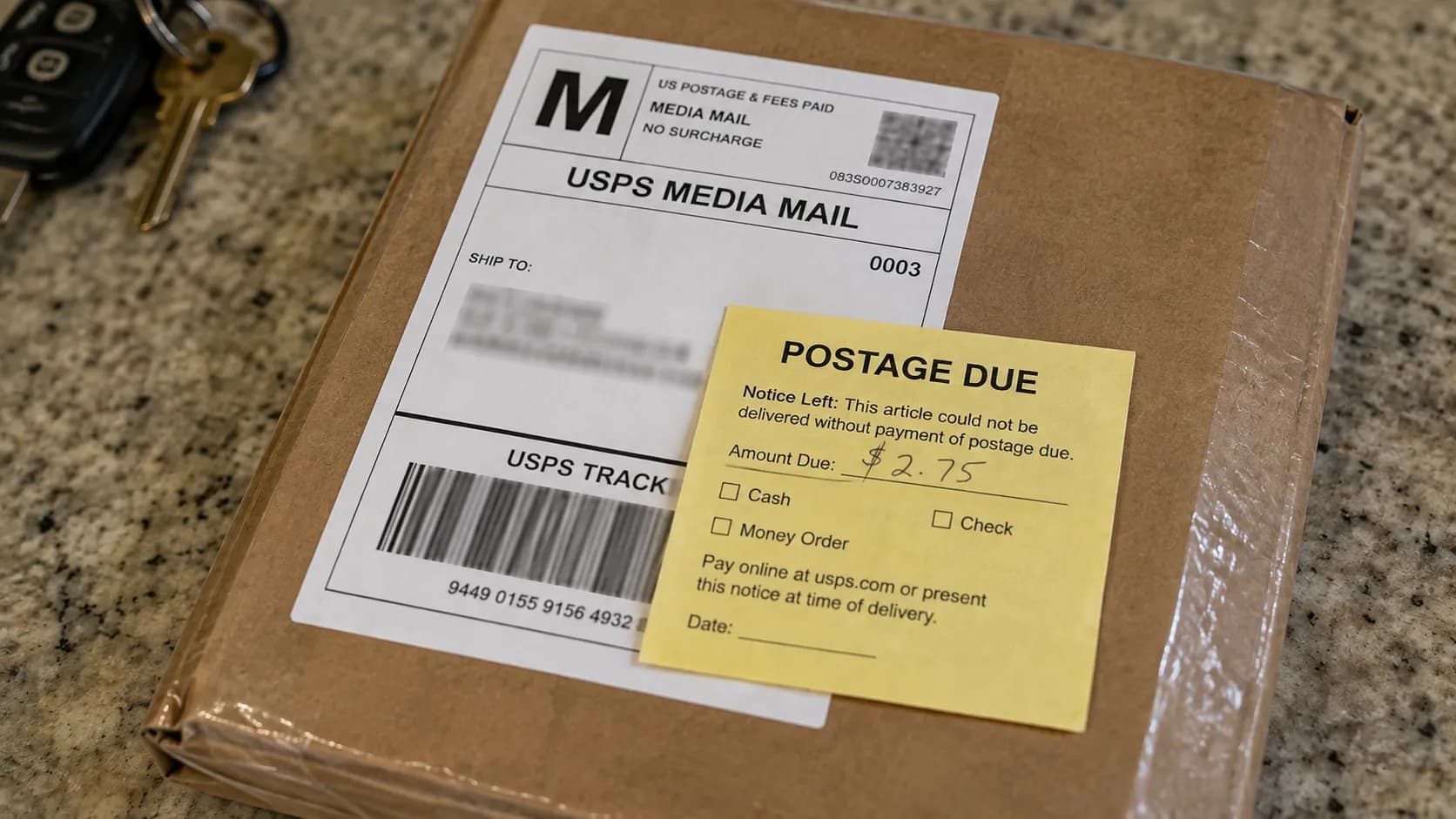
Media Mail and Parcel Select carry no free return service, so a refused Media Mail box can be held for postage due.
Registered, Certified, insured, COD, and Adult Signature mail cannot be refused postage-free after delivery at all, and bulk marketing mail is usually destroyed rather than returned.
When I tried to refuse a Media Mail parcel, it was held for postage due, which the free rule simply did not cover.
If paying to send things back keeps stinging, it is worth shopping where the store handles it, using a list of stores that cover return shipping.
Mail class or type | Free return to sender? | Note |
|---|---|---|
First-Class, Priority, Priority Express, Ground Advantage | Yes, if unopened | Standard free refusal path |
Media Mail, Parcel Select, Retail Ground | No | No free return service, expect postage due |
Registered, Certified, insured, COD, Adult Signature | No | Cannot be refused postage-free after delivery |
Bulk or standard marketing mail | No | Usually destroyed, not returned, unless endorsed |
Check the class on your label before you assume the free path applies. The word “postage due” on a slip means your class was one of the exceptions.
Wrong Name or “Not at This Address”? And the Law on Opening Others’ Mail
Mail addressed to someone else follows a different marking, and two federal rules shape what you may do.
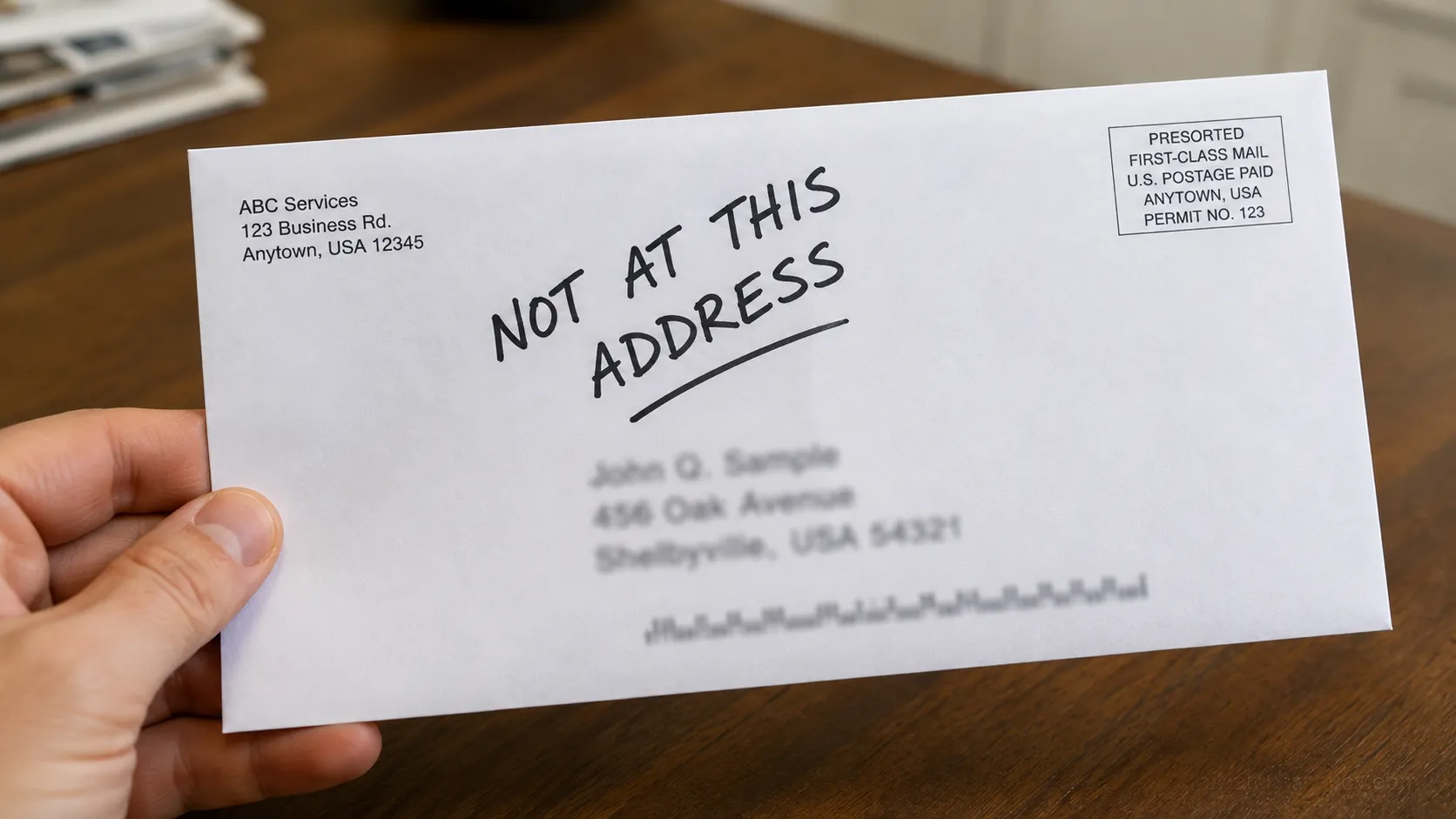
For a former resident or a wrong name, write “Not at This Address” without covering the address, cross out the barcode, and return it unopened.
You may not open mail addressed to another person, and truly unsolicited goods you never ordered are yours to keep.
The FTC’s consumer guidance states that you never have to pay for unordered merchandise and can treat it as a gift.
I still receive the prior tenant’s mail at my address. Marking each piece “Not at This Address” and returning it unopened stopped the repeat deliveries after about two cycles.
Legal note (do not open): opening mail addressed to another person can be a federal offense, so mark it and return it sealed rather than peeking inside.
That keep-it right has a firm boundary. Under 39 U.S.C. §3009, the gift rule covers genuinely unordered merchandise, not something you ordered yourself and later regret.
An item you bought but no longer want still follows the seller’s return policy, sealed or not.
Will You Really Get a Refund? Silent Returns and What Actually Happens
Refusing a package sends the item back, but it does not guarantee a fast refund, because the money follows the seller’s policy on the seller’s timeline.
On a marketplace order I refused, tracking showed “Return to Sender” quickly, yet the refund only posted nine days later, once the seller received and scanned the box.
The seller-community consensus is blunt about the trade-off: refusing instead of filing a formal return can forfeit the buyer protection a return case would preserve.
Communicating beats a “silent return,” where you refuse without ever telling the seller. Silence saves a message but can cost you leverage if the refund stalls.
Is Refusing a Package a USPS Loophole?
Some shoppers open a box, relabel it, and write “Refused” to dodge paying for a return label.
That is not how refusal is meant to work, and it shifts risk onto you, since an opened item sent back this way can be denied. It can also read as a returned item the seller never agreed to accept.
When the refund matters, file a formal return or RMA rather than refusing, so you keep your protection and a paper trail. Refuse only when the box is sealed and you simply do not want it.
Frequently Asked Questions
Is it free to return a package to sender?
Usually yes, if the box is unopened and traveled by First-Class, Priority, Priority Express, or Ground Advantage. The USPS Postal Operations Manual returns those classes at no cost. Media Mail, Parcel Select, and special-service mail are the exceptions.
Can I refuse a package after it has been delivered?
Yes, as long as it is unopened and you act promptly. Mark it “Refused,” then hand it to your carrier or drop it at the post office. For UPS and FedEx, call the carrier or bring the sealed box to one of their locations.
What happens if I already opened it?
The free refusal ends the moment you open the box. You then send it back as a paid return, ideally using the seller’s prepaid label or RMA, or with new postage in a fresh wrapper.
How long does return to sender take?
It usually travels in the same class it was sent, so a First-Class parcel often reaches the sender in three to five business days. My refused First-Class box arrived back in four days.
Can I refuse Certified or Registered mail for free?
No. Registered, Certified, insured, COD, and Adult Signature mail cannot be refused postage-free after delivery. You would need to pay new postage to send those back.
What if I got something I never ordered?
You can keep it. Under federal law (39 U.S.C. §3009), genuinely unordered merchandise is legally a gift, and no one can bill you for it. This does not apply to items you ordered and later decided you did not want.
The Bottom Line
The whole of how to return a package to sender rests on the seal. Keep the box closed, mark it “Refused” or “Return to Sender,” and hand it back, and most parcels travel home for free on eligible classes.
Open it, and you have accepted delivery, which turns the job into a paid return shaped by the seller’s policy and by your mail class.
Before you act, confirm three things: the box is sealed, the class returns free, and, if a refund is riding on it, that a formal return would protect you better than a refusal.
Get those right and you avoid the postage-due slip, the lost protection, and the guesswork that trips up most shoppers.
Read it your way
Short on time? Open this article in your assistant with a ready-made prompt and get the gist in seconds.
Found this useful? Make us a preferred source so we show up in your Google results.
Keep reading
Related articles
Retailer Return Policy Hubs
Ulta Return Policy: 30 Days for a Full Refund (2026)
Return to Ulta within 30 days for a full refund; 31–60 days gets store credit. The Ulta return policy window, receipt rule, refund method and how to return.
Retailer Return Policy Hubs
Lululemon Return Policy (2026): Tested at 3 Stores
Check the lululemon return policy: 30-day window, receipt and tag rules, refund timing, exchanges, and no-receipt options, current for 2026
Retailer Return Policy Hubs
eBay Return Policy: Why “No Returns” Doesn’t Mean No Refund
Check the eBay return policy for 2026: the 30-day Money Back Guarantee, seller windows, who pays return shipping, and how to get a refund when a seller says no.
Retailer Return Policy Hubs
Sephora Return Policy: The 60-Day Rule Is Gone (2026)
Return Sephora products within 30 days for a full refund. Get the current Sephora return policy: receipt rule, opened items, refunds by payment method.
The discussion
Comments
Every comment is reviewed before it goes live.