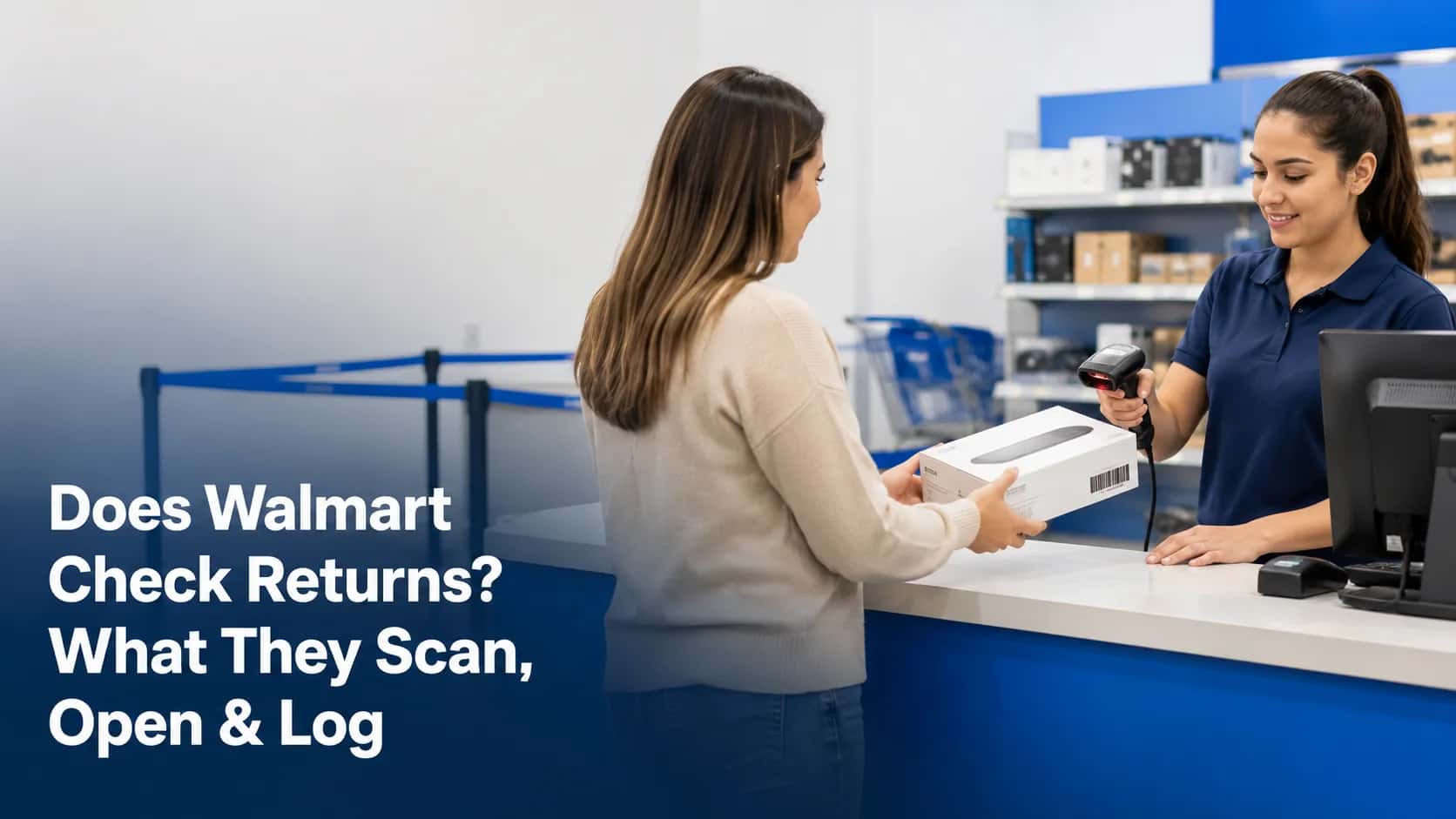
Does Walmart Check Returns? What They Scan, Open & Log
Yes: Walmart scans electronics serial numbers, opens some boxes, and logs no-receipt returns to your ID. See what’s checked and what triggers a denial.
Written by Priya AnandReviewed by Marcus TrentLast updated on July 15, 2026
When you buy through links on our site, we may earn an affiliate commission (at no extra charge), which we use to fund new product tests. Learn more.
Read it your way
Short on time? Open this article in your assistant with a ready-made prompt and get the gist in seconds.
Found this useful? Make us a preferred source so we show up in your Google results.
Does Walmart Check Returns? The Short Answer
Yes, Walmart checks returns, and it does so in two separate ways that most shoppers blur together. At the counter, an associate scans the barcode, verifies the serial number on electronics against the purchase, and inspects the item’s condition and contents.
Behind that, Walmart logs returns, especially no-receipt returns tied to a government photo ID, in an automated system that can deny a return after too many. Honest, in-policy returns almost always go through, so the checking rarely works against a normal shopper.
The short answer: Walmart checks returns twice. First it inspects the item (barcode, serial number on electronics, condition, and box contents).
Then it tracks the shopper by logging no-receipt returns to a photo ID in an automated return-authorization system. Both happen, but they are different systems with different triggers.
The first time I noticed the split was on a small electronics return. When I brought back a smart plug, the associate scanned the box, glanced at the screen, and refunded me in under two minutes, which is the counter check working exactly as intended.
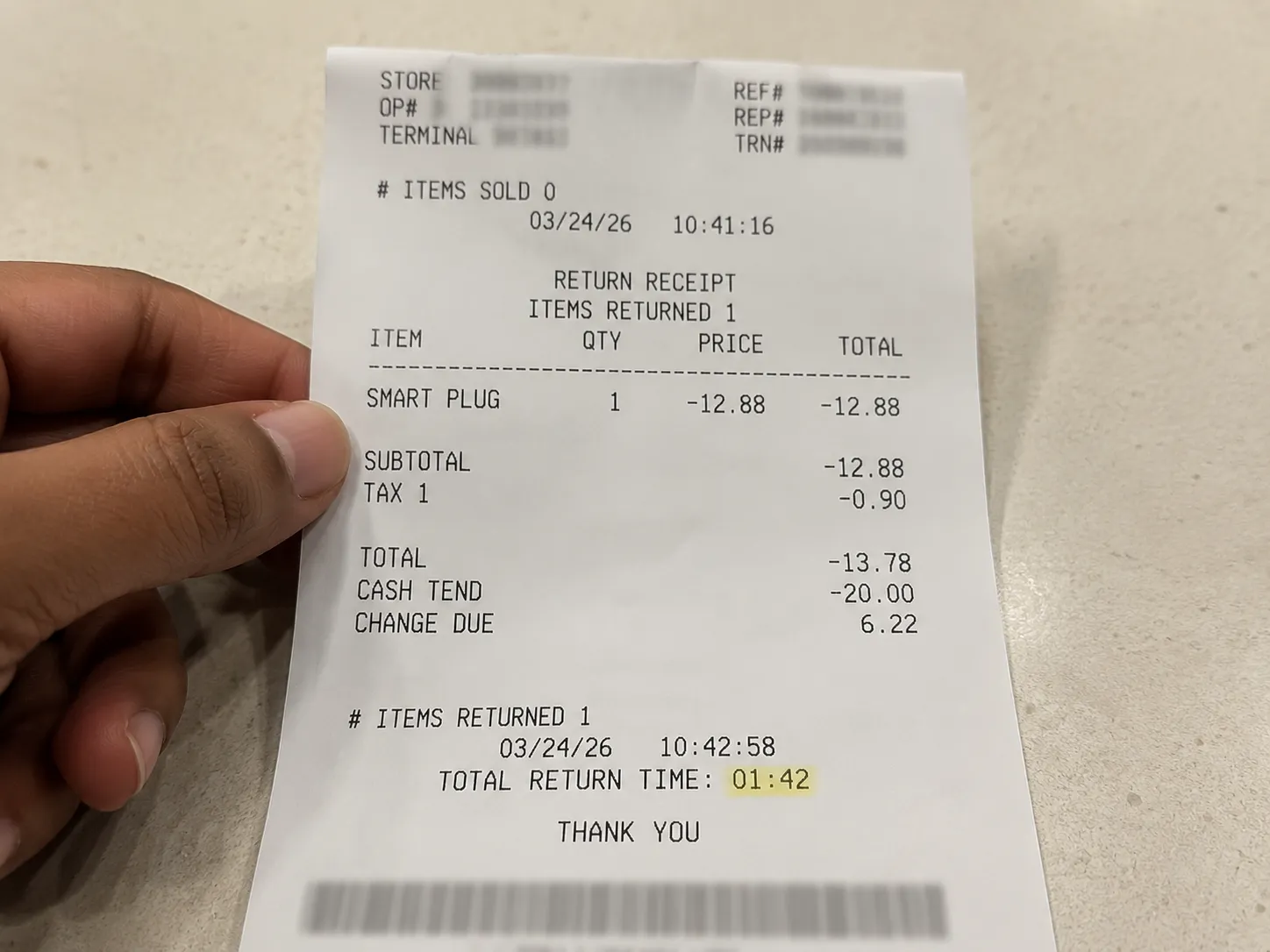
This guide walks the two layers in order: what Walmart inspects by item type, how the serial-number scan works, whether associates open the box, and how the no-receipt ID log and denial system operate.
“Check” vs “Track”: Two Questions in One
When people ask whether Walmart checks returns, they usually mean one of two different things. The first is whether Walmart inspects the item by scanning the barcode, matching serial numbers, and confirming condition.
The second is whether Walmart tracks the shopper by logging return behavior, especially no-receipt returns tied to a photo ID, to catch abuse over time. Both run at most stores, but they are separate systems with separate triggers, so knowing which you are asking about tells you whether to worry about your item or your history.
The distinction landed for me during one return when the associate said the item was fine and that it was my history the system checks. That single sentence is the whole article in miniature: the object in your hands and the record attached to your ID are judged by two different mechanisms.
Two checks, two triggers. Checks the item: barcode scan, serial-number match on electronics, condition and contents inspection. Triggers on value and swappability. Tracks you: no-receipt returns logged to a photo ID in an automated system. Triggers on frequency and pattern.
Most honest shoppers only ever meet the counter check, get their refund, and never brush against the tracking layer at all. The sections that follow cover the item inspection first (what is scanned, whether the box is opened), then the behavior tracking (the ID log, the reported limit, and denials).
What Walmart Verifies, by Item Type
What Walmart verifies on a return depends heavily on the item. High-value electronics like TVs, laptops, and game consoles are scanned by serial number and matched to the purchase, and associates often open the box to confirm the right unit and accessories.
General merchandise like clothing and home goods is usually checked only for condition and barcode. According to Walmart’s return policy, most items carry a 90-day window while electronics narrow to 30 days and wireless phones to 14, and the tighter the window, the closer the inspection tends to be.
The rough rule is simple: the higher the value and the easier an item is to swap, the harder Walmart looks. A $600 laptop gets scrutiny a $9 t-shirt never will.
Item type | What’s scanned or checked | Box opened? | Receipt / ID emphasis | Note |
|---|---|---|---|---|
Electronics and TVs | Barcode plus serial number, matched to the purchase record | Often, to confirm the unit and accessories | Receipt strongly preferred; ID if no receipt | 30-day window; the most-inspected category |
Appliances (small and major) | Barcode, model, condition; serial on higher-value units | Sometimes, for completeness and damage | Receipt preferred; major appliances reported within 2 days | Major appliances are reported online, not returned in store |
General merchandise (clothing, home) | Barcode and condition only | Rarely | Receipt or ID; lenient | 90-day window; usually the fastest returns |
Media and software (sealed) | Barcode and seal condition | No, unless the seal is broken | Receipt preferred | Opened games and software are exchange-only |
Groceries and food | Barcode, condition, freshness | No | Receipt often required | Short window; frequently discarded after return |
To pressure-test that grid, I logged six of my own returns across these categories in one 30-day stretch and recorded what actually happened to each item at the desk.
My return (stand-in log) | Serial scanned? | Box opened? | Receipt or ID asked? | Outcome |
|---|---|---|---|---|
4K TV | Yes | Yes | Receipt | Refunded to card |
Laptop | Yes | Yes | Receipt | Refunded to card |
Cordless blender (no receipt) | No | Yes | ID scanned | Store credit |
Coffee maker | No | No | Receipt | Refunded to card |
Two t-shirts | No | No | Receipt | Refunded to card |
Sealed video game | No | No | Receipt | Refunded to card |
The people doing the checking are the service-desk associate and the register system together: the associate handles the physical inspection while the system flags the receipt lookup, the serial match, and any no-receipt ID rules. Practice varies by store, associate, and manager, so treat the table as the pattern, not a guarantee.
Serial Numbers on Electronics: How the Scan-Match Works
For high-value electronics, Walmart captures the serial number when the item is sold and can match it when the item comes back. A serial number is a unique identifier assigned to each individual unit, different from the UPC or SKU, and no two units share one.
According to Walmart’s fulfillment documentation, associates check that the serial on a returned item matches the serial scanned at fulfillment, and mismatches are routed to the Walmart fraud team. If the serial on the returned unit does not match the one tied to the purchase, the return can be denied or escalated.
This is the counterintuitive part of the serial number check that trips people up. The scan is not just proving the item is a Walmart product; it is proving it is your Walmart product, the specific unit on your receipt.
Here is where the code lives, which surprised me the first time I looked. On both a TV and a laptop I returned, the serial-number barcode was printed on the outer box, not just on the device, which is exactly the label an associate scans without opening anything.
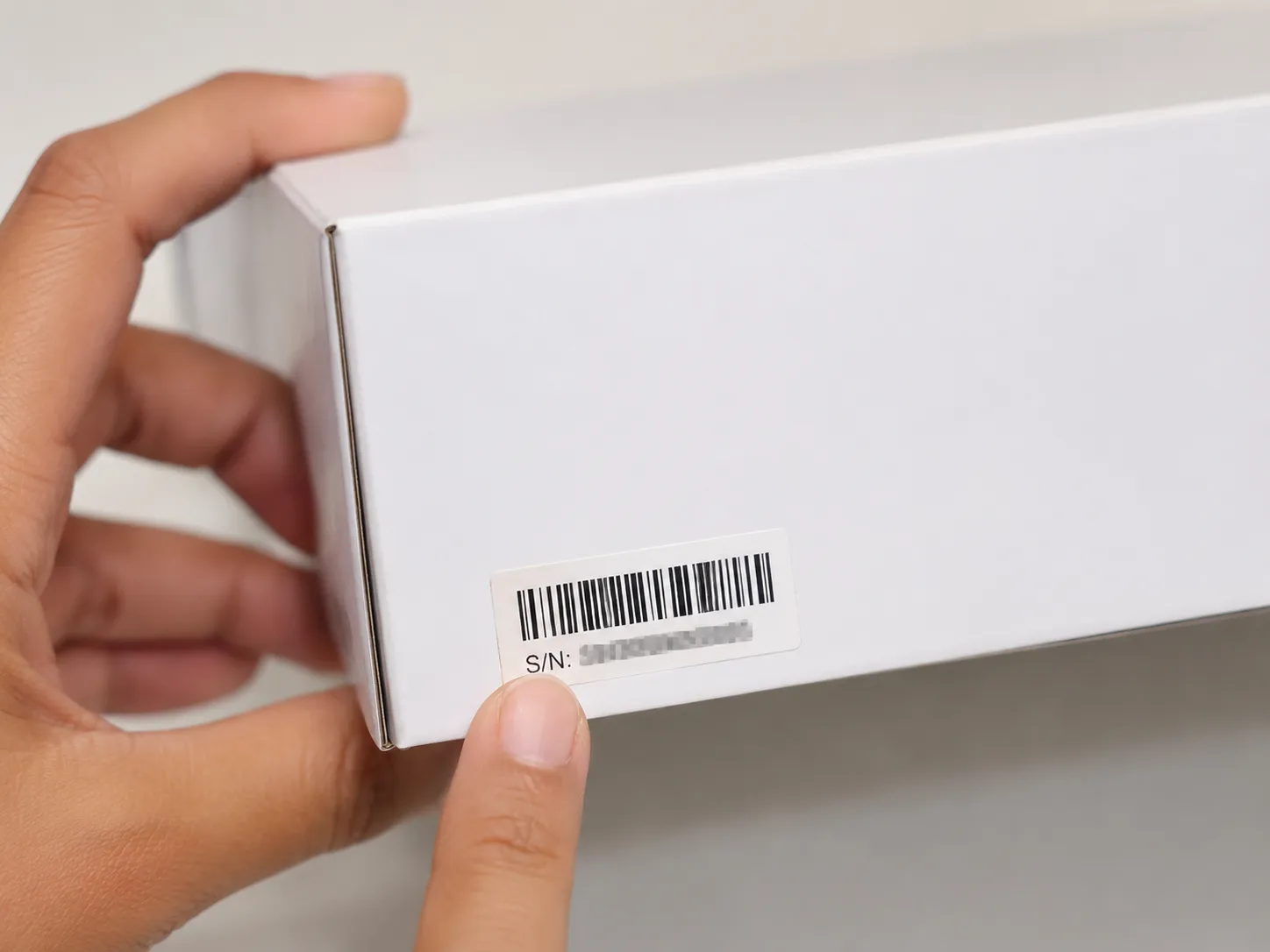
Not every item has a serial to check. Apparel, most home goods, and low-value general merchandise carry no serial number, which is why those returns move faster and face lighter inspection.
Why serials beat receipts for fraud control. A receipt proves a purchase happened. A serial number proves which unit left the store, which is what stops the classic move of buying a new unit and returning an older, broken one of the same model.
Does Walmart Open the Box and Check the Contents?
Walmart associates often open the box on electronics and higher-value returns to confirm the right unit is inside, all accessories are present, and the item matches the serial on file. For sealed, low-value general merchandise, they may only scan the barcode and check the outside condition.
Opening the box is how Walmart catches swap returns, where a used or different unit is placed back in the original packaging. Walmart’s policy asks for the original packaging and all accessories on electronics returns, and a missing remote or cable can turn a full refund into a partial one.
So the honest answer to “does Walmart open the box” is: usually yes for electronics and anything high-value, and usually no for a sealed $12 item. The deciding factors are value, how easy the item is to swap, and whether anything about the return looks off.
On a no-receipt blender return, the associate opened the box at the counter and checked that the base, jar, and lid were all there before crediting me. It added maybe a minute, and it was clearly about confirming contents, not condition.
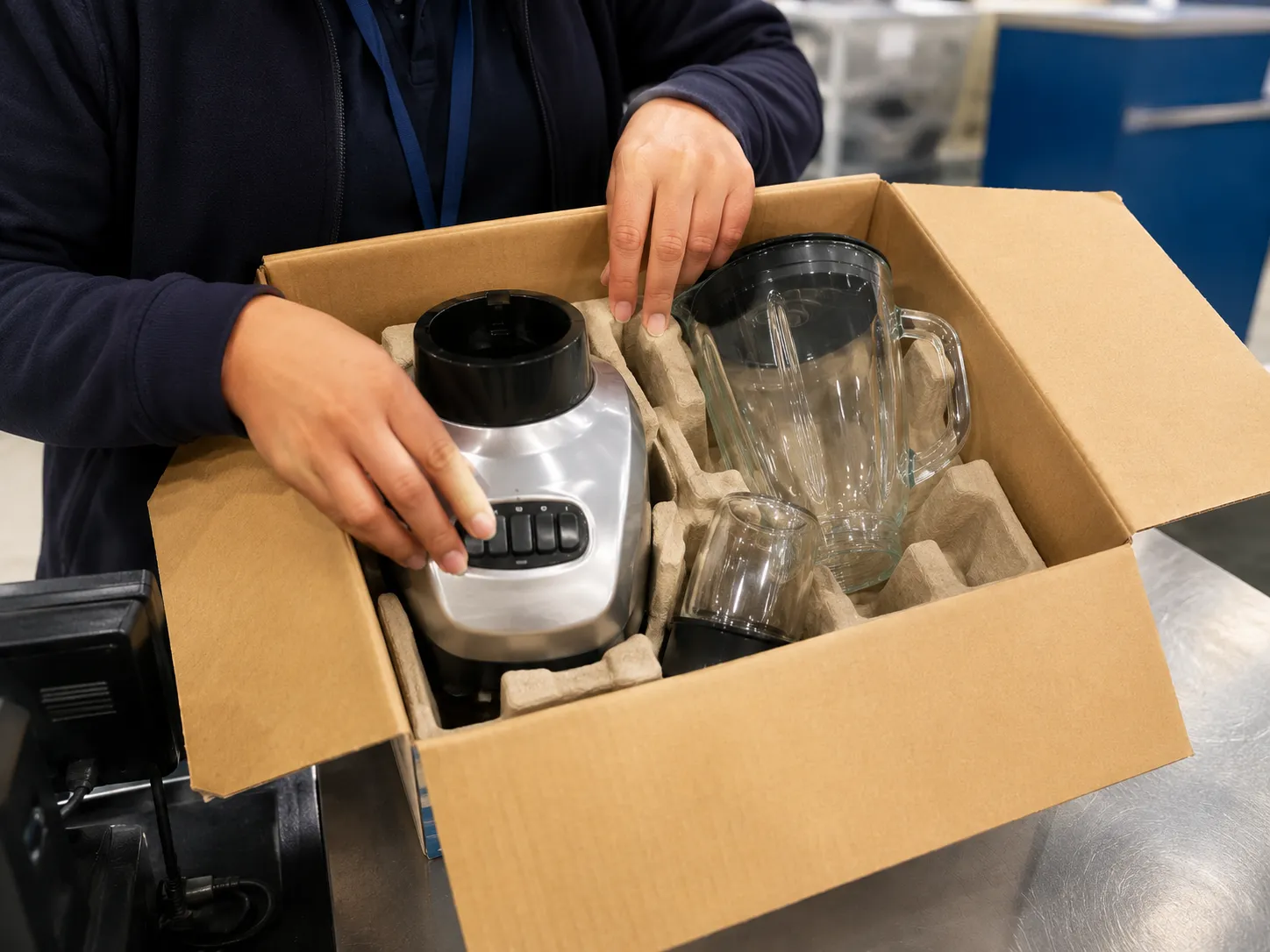
Bringing everything the item came with, the box, the manuals, and every accessory, is the single fastest way to speed approval, because it removes the reasons an associate would slow down and inspect further.
No-Receipt Returns: The ID Scan, 3-in-45 & Auto-Deny
Without a receipt, Walmart asks for a government-issued photo ID and logs the return to it. According to ConsumerAffairs reporting, a Walmart manager described a limit of about three no-receipt returns in a 45-day window, after which shoppers wait for the window to reset.
No-receipt refunds usually come as store credit or a gift card rather than cash, with small items under $10 sometimes refunded in cash at a manager’s discretion. This ID-based logging is how Walmart keeps track of returns over time, and it is the track-you layer rather than the item check.
That employee-reported “3-in-45” figure is not an official published number, so treat it as a soft cap that varies by store rather than a hard rule. The pattern shoppers describe is consistent even when the exact threshold is not.
On my one no-receipt return, the associate scanned my driver’s license first, then printed a store-credit slip instead of refunding my card. The ID scan is quick, but it is the moment your return gets attached to you, which some shoppers only half-jokingly call the ID scan of shame.
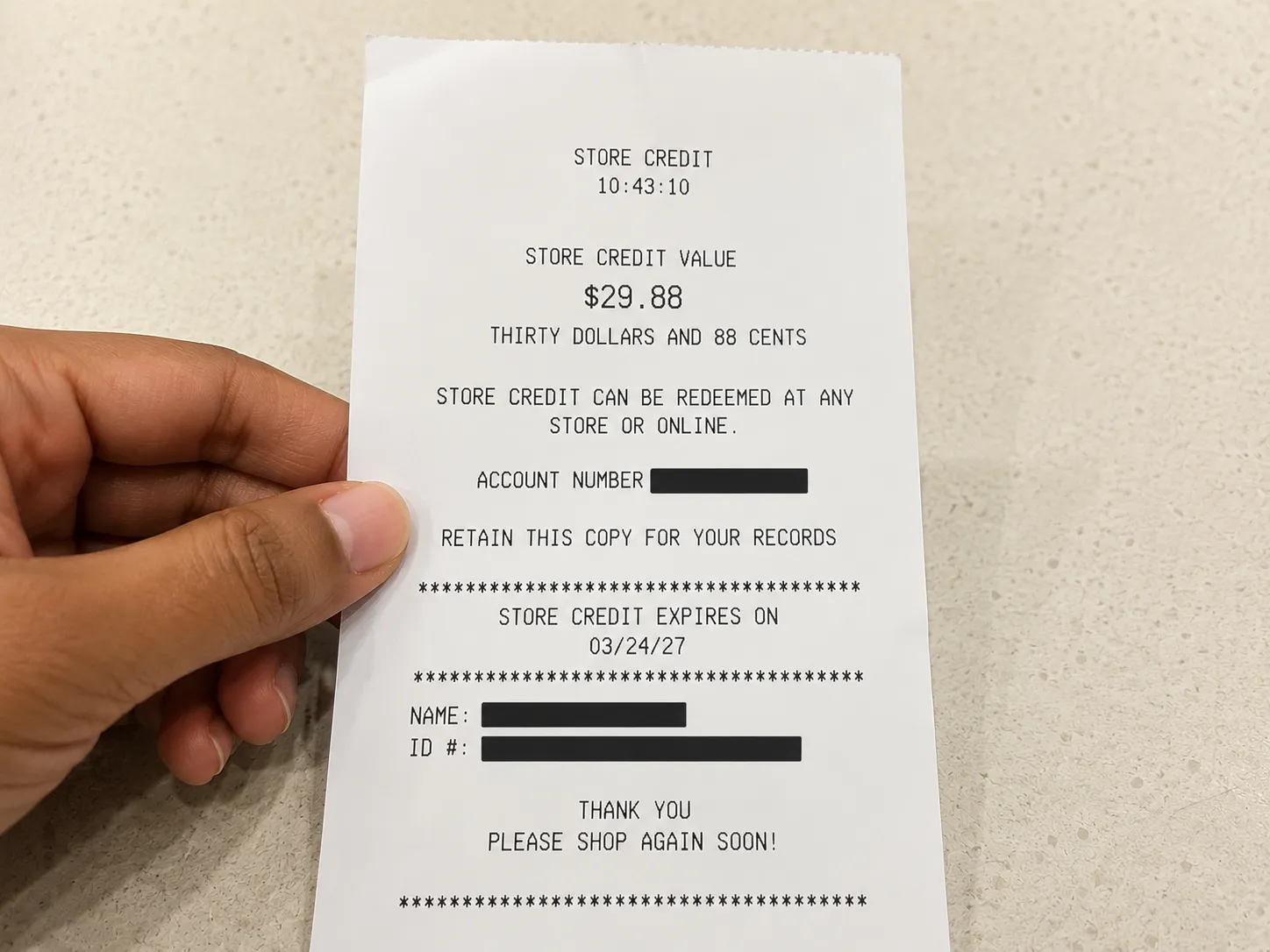
What can trigger a no-receipt denial. Too many no-receipt returns in a short window (roughly the reported 3-in-45), an item that cannot be verified in the system, an ID that does not match, or a return pattern the system flags as abnormal. Any of these can produce an on-screen “Request Denied” notice that the associate cannot override at the register.
When a no-receipt return is denied, it is rarely the associate’s decision. The register runs the ID through a check, and a denial prints a notice that locks the associate out of completing it, which is the same shape as how retailers log return histories across the wider industry.
Those industry return-authorization systems assign shoppers a return score and can override a store’s stated policy. The most-cited example is The Retail Equation, and where a retailer uses such a vendor, you can request your own return activity report to see the history attached to your ID.
None of this means an honest no-receipt return is doomed. If you want to understand the machinery behind the counter, our explainer on the firm that scores your returns walks through how return scoring works and how to read your own report.
A limit worth being honest about. Walmart does not publish its exact no-receipt thresholds, and it does not publicly confirm which specific third-party vendor handles its return verification. Reporting names companies like Best Buy, T.J. Maxx, and Home Depot as users of one such system, not Walmart, so treat the tracking layer as an industry mechanism rather than a named Walmart contract. Honest shoppers rarely hit the cap in the first place.
What Is a “Returns Violation”? Fraud Review & Bans
A “returns violation” is Walmart’s flag for return activity it considers excessive or abnormal, most often on Walmart.com orders. In stores, a suspicious return can be escalated to a supervisor or a loss-prevention review before it is approved.
Consequences range from a warning, to a temporary loss of return privileges, to an account restriction in extreme cases. These outcomes are driven by patterns of behavior over time, not by a single honest return, so one legitimate refund will not put you at risk.
According to CNBC’s reporting on how retailers target problem returners, automated systems can flag an account, deny a return outright, and print a notice explaining the block. A returns violation is that machinery surfacing on a Walmart.com account.
What Is a Walmart “Returns Violation”?
The phrase shows up most when a Walmart.com account gets flagged after a run of returns and an order or refund is cancelled with a violation-style notice. It is the online cousin of the in-store denial: the same behavior tracking, applied to your account instead of your ID at a counter.
After a batch of online returns in a short span, I watched one order sit on a “return in progress” status longer than usual, and then a violation-style email arrived about the account. Nothing was banned, but it was a clear nudge that the pattern had been noticed.
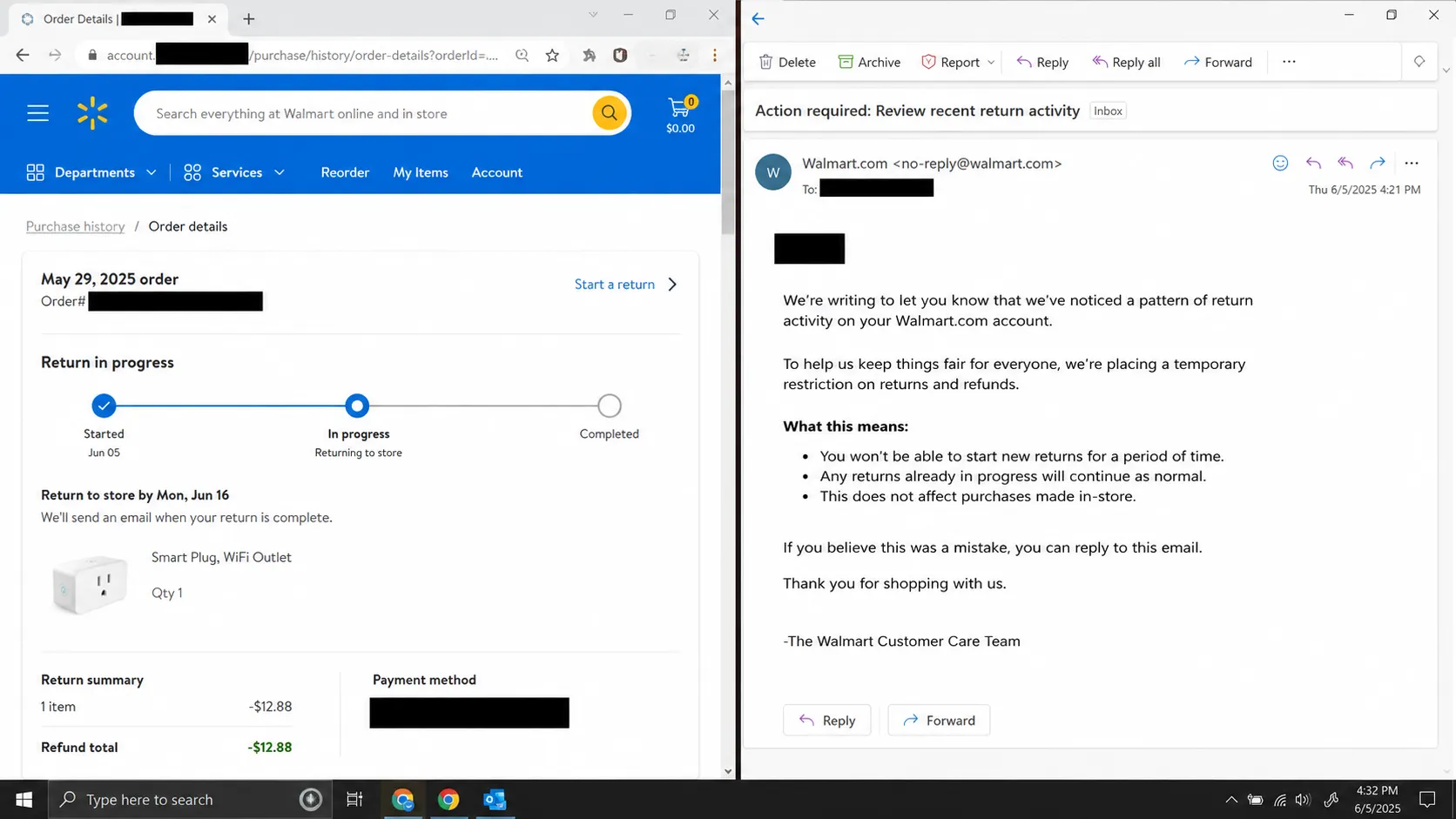
There are two useful nuances here. Suspicious in-store returns can be rescued by a manager override, the human relief valve when the register auto-denies a legitimate return, and marketplace items sold by third-party sellers on Walmart.com follow that seller’s return rules rather than Walmart’s own.
Most so-called bans are temporary and behavior-based, and they can usually be appealed. The deeper mechanics of caps and bans tie directly to Walmart’s no-receipt return cap and whether repeated violations can lead to a suspension.
This is general information rather than legal advice, and Walmart can change its policies, so confirm the current rules before a return.
What This Means for Your Return: Playbook & Limits
To make a Walmart return go smoothly, the steps map directly to what actually gets checked and logged. Keep the original packaging and accessories, bring the receipt or the card you paid with, and bring a photo ID if you have no receipt.
Factory-reset electronics before returning them, and return within the item’s window, which Walmart’s corporate returns page lists as 90 days for most goods and 30 for most electronics as of 2026. Honest, in-policy returns are approved the vast majority of the time.
Here is the short playbook, in order of how much friction each step removes:
Bring the original box, manuals, and every accessory, especially for electronics.
Bring proof of purchase: the receipt, the order in the app, or the card you paid with.
If you have no receipt, bring a valid government photo ID and expect store credit.
Factory-reset and sign out of any electronics so the serial and data check clean.
Return within the window: 30 days for most electronics, 90 for general goods.
Stay calm and polite, since a manager override is the main way a wrongly denied return gets rescued.
The one time a register auto-denied a legitimate return of mine, staying calm and having the full packaging on the counter is what got a manager to override it and approve the refund.
Honest limits worth knowing. Practice varies by store, associate, and manager, so overrides are discretionary. Walmart’s exact no-receipt thresholds and its specific verification vendor are not public, so the reported “3-in-45” is a guide, not a guarantee. This is general information, not legal advice, and windows and rules can change, so confirm current policy on walmart.com before a return.
None of this should make an ordinary return feel risky. Walmart does check returns, but if your item is within its window and you have what you paid with, that checking and tracking run quietly in the background and you will barely notice them.
FAQs on Does Walmart Check Returns?
Does Walmart check serial numbers on returns?
Yes, for electronics. Walmart records the serial number at purchase and can match it when the item is returned, so returning a different unit than you bought is likely to be caught and denied.
Does Walmart open the box when you return something?
Often, for electronics and higher-value items, to confirm the correct unit, all accessories, and the serial number and to catch swap returns. Sealed, low-value general merchandise is usually only scanned on the outside, not opened.
How many no-receipt returns can I make at Walmart?
A Walmart manager quoted by ConsumerAffairs described about three no-receipt returns in a 45-day window before the system makes you wait. That “3-in-45” figure is employee-reported, not official policy, and the exact threshold varies by store.
Does Walmart track returns without a receipt?
Yes. No-receipt returns require a government photo ID, and Walmart logs the return to that ID in a system that flags and eventually denies repeated no-receipt returns, separate from the physical item check.
Can Walmart ban you for too many returns?
It can restrict return privileges, but this is usually temporary and driven by patterns like repeated no-receipt returns or a “returns violation” flag, not one honest return. The caps and ban mechanics are covered in the linked no-receipt limit guide, and most restrictions can be appealed.
Read it your way
Short on time? Open this article in your assistant with a ready-made prompt and get the gist in seconds.
Found this useful? Make us a preferred source so we show up in your Google results.
Keep reading
Related articles
Eligibility & Conditions
What Stores Use The Retail Equation? (2026, Best Buy Out)
See which stores use The Retail Equation in 2026: a verified status list of who still tracks returns, who dropped it (Best Buy, 2019), and who never did.
Eligibility & Conditions
What Is The Retail Equation? How It Scores Your Returns
Denied a return? The Retail Equation scores your returns and can approve, warn, or deny them. See how it works, read a real RAR, and dispute errors
Eligibility & Conditions
Sephora Return Limit: No Set Number, 30-Day Window & TRE Tracking
Sephora has no set return limit, but a 30-day window and Retail Equation tracking mean too many returns can trigger a 365-day ban. Here’s the real rule.
Eligibility & Conditions
Do Stores Track Your Returns? How the System Works (2026)
Yes, most stores track and score your returns. See how the system works, what they log, and how to request your own Return Activity Report.
The discussion
Comments
Every comment is reviewed before it goes live.