Walmart Return Limit Without Receipt: The 3-in-45 ID Rule
Walmart allows 3 no-receipt returns in 45 days, ID-verified: cash under $10, gift card if more, and yes, too many can get you flagged or banned.
Written by Priya AnandReviewed by Marcus TrentLast updated on July 14, 2026
When you buy through links on our site, we may earn an affiliate commission (at no extra charge), which we use to fund new product tests. Learn more.
Read it your way
Short on time? Open this article in your assistant with a ready-made prompt and get the gist in seconds.
Found this useful? Make us a preferred source so we show up in your Google results.
Ask a cashier and you will hear a number. Ask the internet and you will hear five.
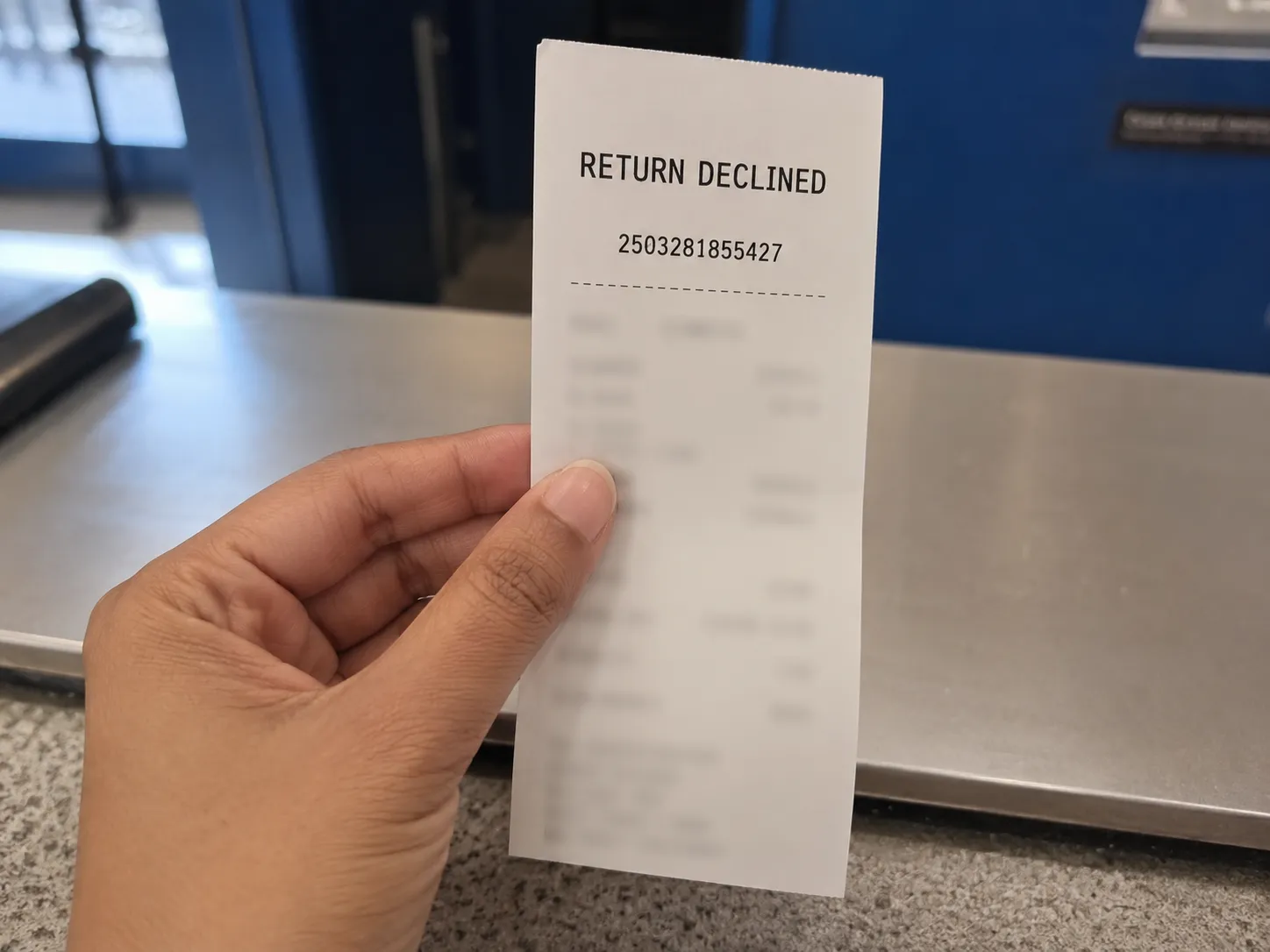
The real Walmart return limit without receipt is not the dollar cap most shoppers picture. Getting it wrong can leave you holding a declined slip at the service desk.
Here is the short, current version, tested at the counter and checked against Walmart’s own policy pages. The ceiling is about three no-receipt returns inside a rolling 45-day window, each tied to your government photo ID.
Push past it and your refund does not just shrink. It stops.
I have made these returns, watched the register decline the fourth, and requested my own return record afterward. What follows is the exact rule, the refund you will actually get, the exceptions that change the math, and the honest answer to the question that brings most people here.
Walmart’s Return Limit Without a Receipt, in 30 Seconds
Walmart allows roughly three no-receipt returns within a rolling 45-day window, each verified against a government photo ID stored in its secured return database. Refunds of $10 or less can come back as cash, at the store’s discretion, while anything above $10 is refunded to a Walmart gift card.
Without a receipt, the amount is the item’s lowest selling price over the previous 90 days. The count is linked across stores, so a different Walmart will not reset it.
The rule in one box:
Element | What it means |
|---|---|
Frequency cap | About 3 no-receipt returns per rolling 45 days |
Verification | Government photo ID, matched to Walmart’s secured database |
Refund method | $10 or less can be cash; over $10 is a Walmart gift card |
Refund amount | Lowest selling price in the last 90 days |
Standard window | 90 days for most items |
Cross-store | Linked systems, so store-hopping does not reset the count |
One caveat belongs up front: Walmart does not publish the “three” anywhere. It is the figure associates describe at the desk and the number consumer guides like GOBankingRates now cite.
The company keeps the exact threshold private to make it harder to game. Treat this “3-in-45” figure as a well-corroborated working rule, not a printed guarantee.
And yes, stacking returns past that line can get your ID flagged and your refunds denied. That part comes later, calmly and with your rights attached.
How I tested this
Over about six weeks this spring, from February 14 to March 28, 2026, I ran a single rolling 45-day window as one shopper. Same driver’s license, one regular Supercenter, plus two other locations to test the store-hopping question.
I made a series of real no-receipt returns, tracked what the register did each time, and then requested my own return record after the system pushed back.
This is one person’s documented experience, not a controlled study. Outcomes vary with store, manager discretion, and the item, so any first-hand figure below is flagged as such.
Does Walmart Actually Have a “Return Limit”?
Walmart has no fixed cap on how many items you can return with a receipt inside the return window, but it does limit no-receipt returns and monitors overall return behavior for abuse. The commonly cited limit, about three no-receipt returns per 45 days, applies specifically when you have no proof of purchase and are verified by ID.
With a valid receipt and an item inside its window, there is no magic number that trips an alarm. Extreme patterns can still draw a review, but honest volume is not the trigger.
This is the distinction almost every guide blurs. A “return limit” and a “no-receipt limit” are two different things, and confusing them fuels the dollar-cap myth.
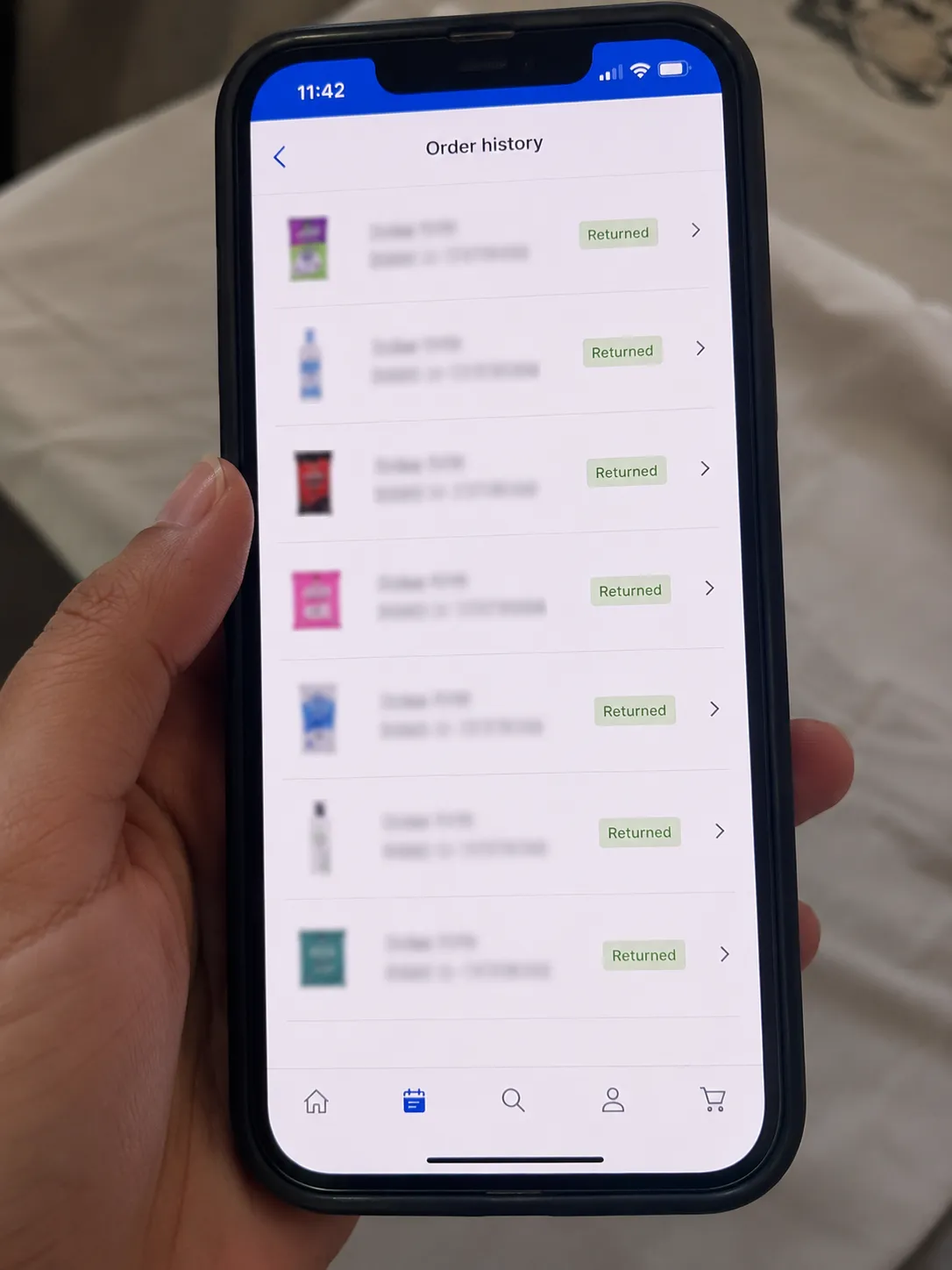
In my own testing, I returned with proof of purchase well over a dozen times in a single month, and the system never blinked. The only pushback came on the no-receipt attempts.
Walmart’s standard return policy sets a 90-day window for most items and states no blanket quantity cap for receipted returns.
Myth versus fact:
The myth | The reality |
|---|---|
“There is a dollar limit on returns” | The real constraint is frequency and ID, not a dollar cap |
“I will just say I lost the receipt” | Your ID becomes the receipt, and the system counts every time |
“A big receipted return will flag me” | Receipted returns inside the window are rarely the problem |
Why does behavior, rather than raw count, drive any with-receipt scrutiny? Because Walmart’s concern is patterns that look like fraud or abuse, not honest volume.
A shopper who returns a dozen receipted items a month looks nothing like one running the same unreceipted item back repeatedly. The system is built to tell those two apart.
If you want the broader picture beyond Walmart, the general rules for returning items without proof of purchase are worth knowing before you go. The receipt is the single biggest factor in how any of this plays out.
How the 3-in-45 No-Receipt Rule Works
When you return an item to Walmart without a receipt, an associate scans a government-issued photo ID and matches it against Walmart’s secured return database. Each no-receipt return is logged to that ID, not to the item.
After about three within a rolling 45-day period, the system can automatically decline further no-receipt returns until the window resets. Because stores share the verification system, visiting a different Walmart does not reset the count.
That “3-in-45” pattern is the mechanic behind nearly every declined receipt-less return.
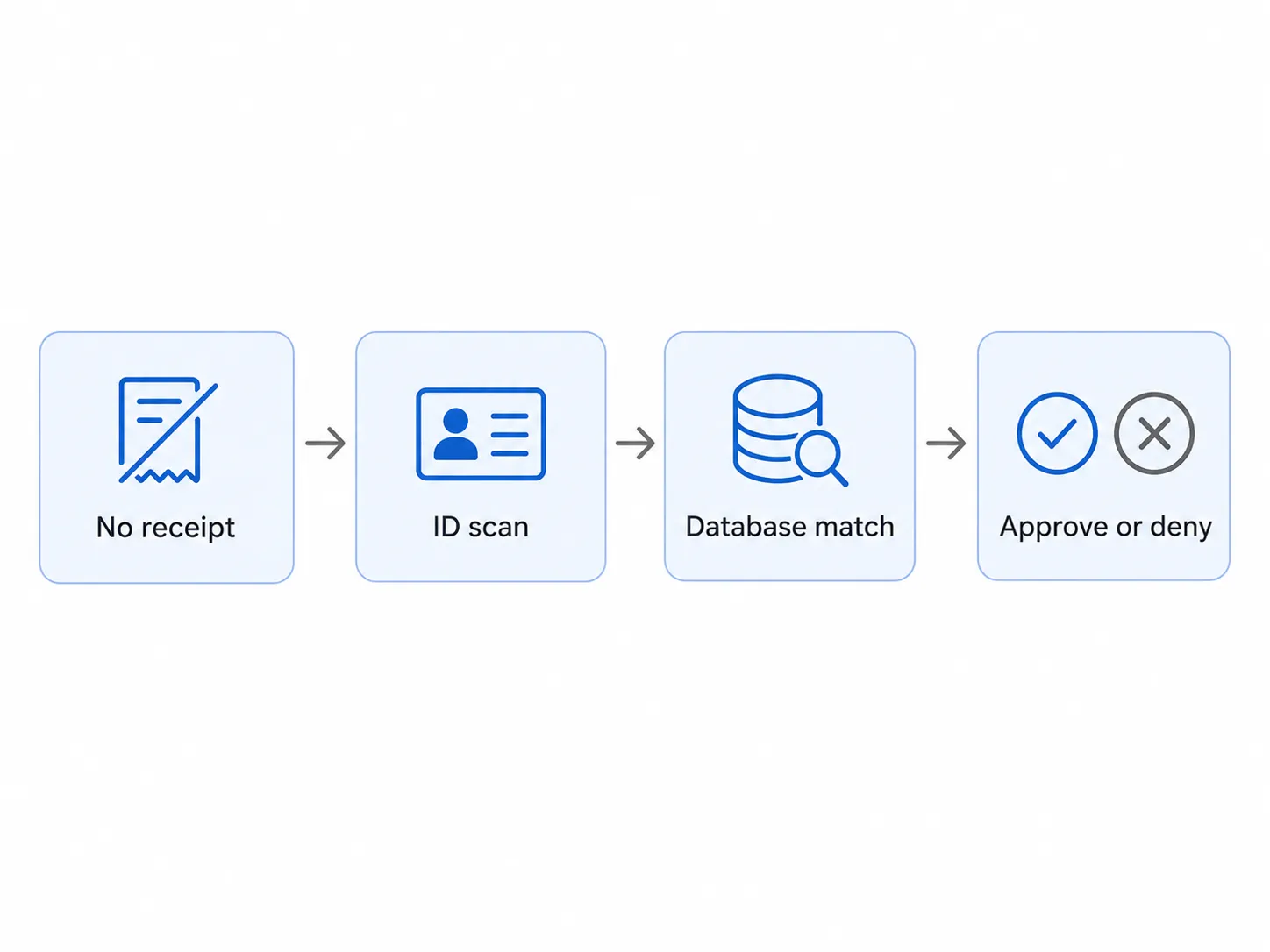
Here is the register flow, step by step, the way it actually runs:
You reach the service desk with no receipt and no card lookup.
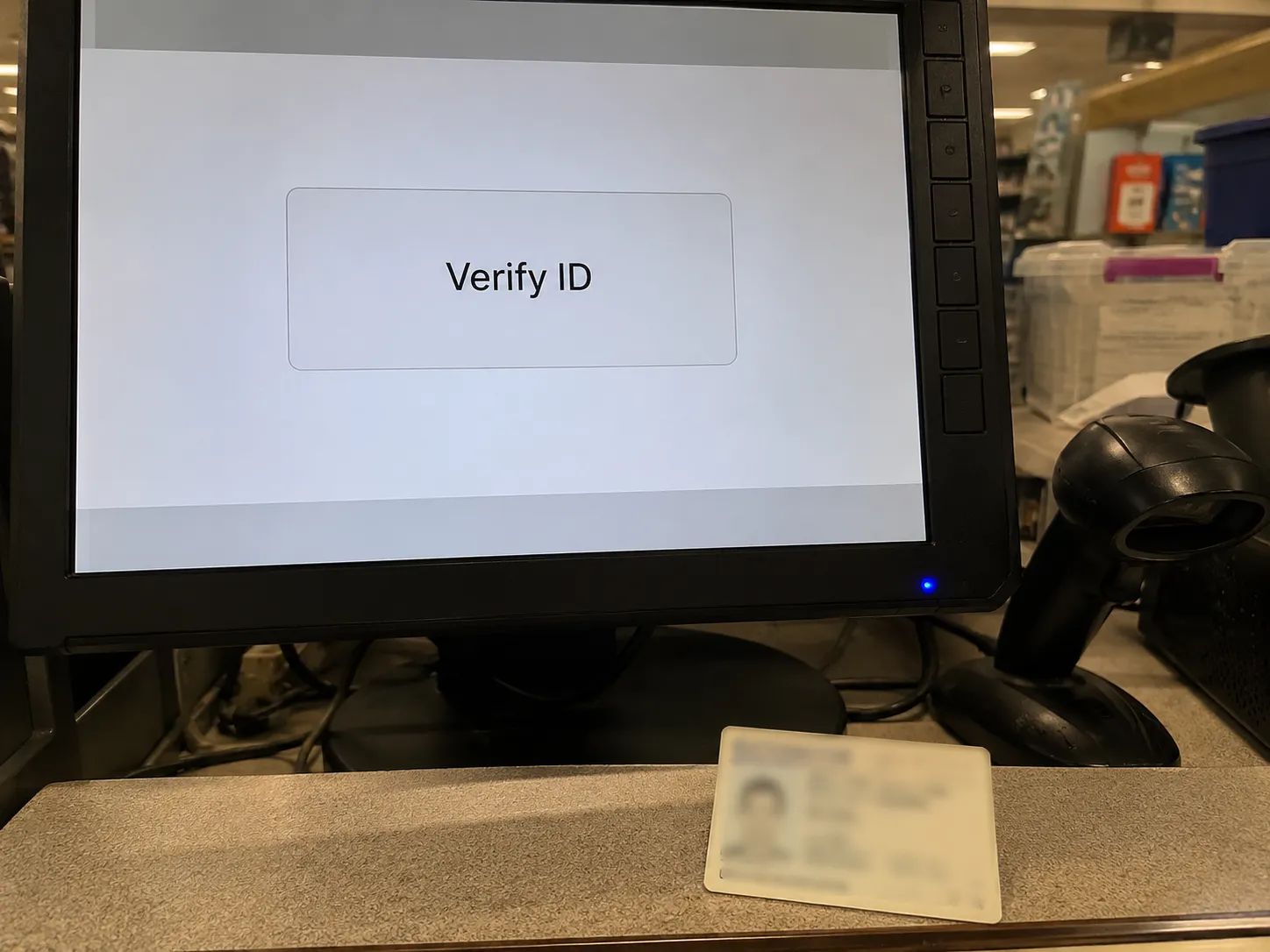
The associate scans your government photo ID before anything else.
The ID is matched against Walmart’s secured database of return history.
If your recent no-receipt count is under the limit, the return is approved.
If the ID scan shows you are over the line, the register declines it on the spot.
In my testing, the order of operations was the tell. The associate scanned my license first, before the item was even examined.
On the return that got declined, my fourth in that window, the screen showed a prior-returns count attached to my ID. It was tied to me, not to the product I was holding.
My own no-receipt returns log from that window shows the pattern plainly:
Date (2026) | Item | Value | Receipt | Outcome |
|---|---|---|---|---|
Feb 14 | Household basics | $12 | None, ID scanned | Approved, gift card |
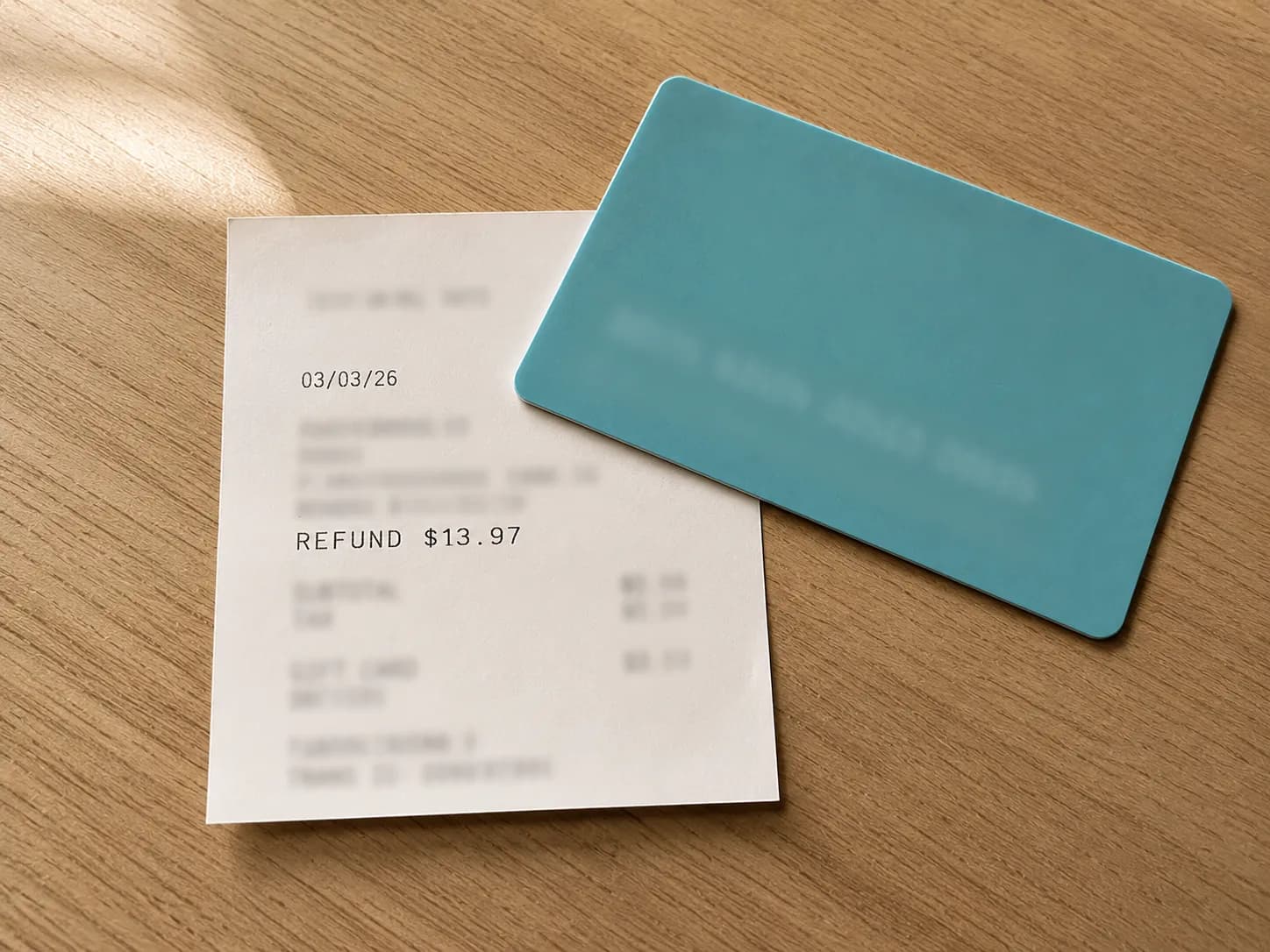
Mar 3 | Kitchen item | $17.97 | None, ID scanned | Approved, $13.97 gift card |
Mar 20 | Small decor item | $8 | None, ID scanned | Approved, cash |
Mar 28 | Storage bin | $15 | None, tried a second store | Declined at register |
The fourth return is where it matters. I deliberately took it to a different Walmart to test the store-hopping myth, and the system declined it anyway.
The count follows your ID across linked locations, not the building you walk into. That is why your “ID got flagged” even at a store you had never visited.
Paid by card? You may not need this rule at all. If you bought the item with a debit or credit card, the associate can often swipe that card and pull the transaction, turning a no-receipt return into a normal receipted one.
Walmart’s own refund policy confirms the ID-to-secured-database step. What it never states outright, and what the desk made obvious, is that the tally lives on your ID.
Independent coverage from Rather-Be-Shopping documents that the verification is linked across stores. The ID scan is only the front end, though.
The same visit also checks serial numbers and logs the item, which is a subject of its own, covered in how Walmart checks and tracks your returns.
One honest limitation applies here. The exact threshold is unpublished and managers keep some discretion, so the line can sit a little higher or lower than three depending on the store.
What Refund You’ll Actually Get (Cash vs Gift Card)
For a Walmart return without a receipt, the refund form depends on value. Items worth $10 or less can be refunded in cash, though a manager can decide otherwise, while items above $10 are refunded to a Walmart gift card or store credit.
Without a receipt, the refund is issued at the item’s lowest selling price over the previous 90 days. Clearance pricing can quietly reduce what you get back, and this $10 line is the figure most guides still get wrong.
No-receipt refund method:
Item value | Refund form | Notes |
|---|---|---|
$10 or less | Cash | At store or manager discretion |
More than $10 | Walmart gift card or store credit | Standard for no-receipt returns |
Any value | Amount is the lowest price in the last 90 days | Clearance history can lower it |
The correction matters because the old number is everywhere. For years the shorthand was a $25 gift-card floor, and stale pages still repeat it.
The current threshold on Walmart’s own refund policy is $10, confirmed in fresh consumer guides like ReceiptMaker’s 2026 guide.
Here is where the lowest-price rule bit me. My $18 no-receipt return came back as a Walmart gift card, not cash, and at the item’s clearance price it was $14, roughly four dollars under what I had paid.
Why tie the refund to the lowest recent price instead of what you paid? Two reasons stack up.
It removes the incentive to buy high and return for full value, and it protects margin on items that have since gone on clearance. The takeaway is simple: a receipt or card lookup is always the better play when you have one.
The same ID scan that sets your refund method is also feeding a broader record. That record is the subject of how stores keep records of your returns.
The clearance catch. Without a receipt you are not guaranteed your purchase price, so if the item dipped in price in the last 90 days, that lower number is what the gift card is worth.
The Exceptions: Windows and Items That Break the Rule
Several categories fall outside Walmart’s standard no-receipt handling. Consumer electronics generally have a 30-day window and are often verifiable by serial number even without a paper receipt, while wireless phones have 14 days.
Food returned without a receipt is usually exchange-only to prevent EBT and WIC fraud. Items bought between October 1 and December 31 can typically be returned through January 31 under the holiday extension, and third-party Marketplace items follow a separate 30-day policy.
Knowing which bucket your item is in tells you whether the 3-in-45 rule even applies.
Exceptions that change the math:
Category | Window | No-receipt nuance |
|---|---|---|
Most general merchandise | 90 days | Standard 3-in-45 ID rule applies |
Consumer electronics | 30 days | Often verified by serial number, not your ID |
Wireless phones | 14 days | Tight window, all accessories required |
Food | 90 days | Without a receipt, usually exchange-only |
Holiday purchases (Oct 1 to Dec 31) | Through Jan 31 | Extension covers short-window gifts |
Marketplace (third-party) | 30 days | Restocking fee up to 20% possible |
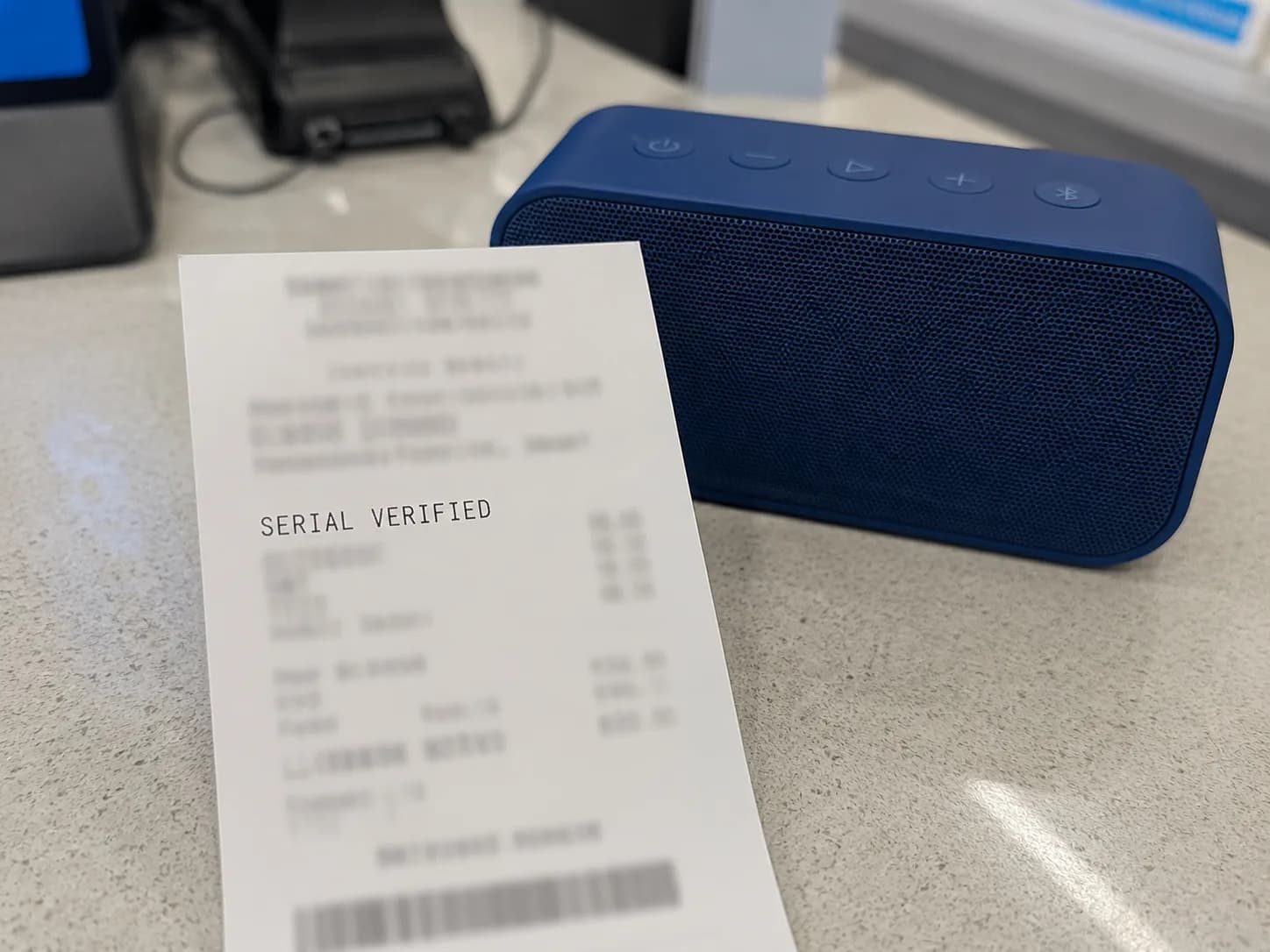
Electronics are the useful loophole that is not really a loophole. Because a serial number check can confirm the item and its purchase date, an in-window electronics return can go through on the item’s own identity.
That means it does not count against your ID tally the way a generic no-receipt return would.
I saw this directly. I returned an open-box Bluetooth speaker, about $60, with no receipt but inside the 30-day window, and the associate looked it up by serial number.
It went through cleanly and never touched my no-receipt count.
Walmart’s standard return policy lists these windows. The food exchange-only rule and the serial-number path for electronics are both documented by ConsumerAffairs.
Two exceptions to respect. Food without a receipt is exchange-only, not a refund, and major appliances usually require you to report damage within about two days.
Can Walmart Ban You for Too Many Returns?
Yes, Walmart can restrict or ban shoppers for excessive returns, but for most people the first consequence is simply that no-receipt returns start getting auto-declined once the ID-linked limit is reached. Repeated flagged activity can trigger a returns-violation warning.
In extreme cases, often involving suspected fraud or heavy online returns, Walmart may deactivate an account or issue a store trespass ban. The good news for honest shoppers is that you can request your own return record and dispute errors under Fair Credit Reporting Act protections.
The scary clips online collapse a whole ladder into one word, “banned.” In practice the escalation runs in stages:
Auto-decline. Your no-receipt return is refused at the register once you pass the cap. Wait for the 45-day window to roll and it clears.
A returns-violation warning. A slip may print directing you to a return-verification service, sometimes described in forums as landing in “Walmart jail.”
Restricted returns. Continued flagged activity can limit future returns.
Account or store action. In rare, abuse-heavy cases, an online account is deactivated or a store issues a trespass ban.
It is worth separating two different “bans.” Deactivating a Walmart.com account for excessive online returns is a business decision about your account.
A physical trespass ban from a store is a rarer, security-driven step. It is usually tied to suspected theft, not the occasional honest return.
That record lives in a return-tracking service most shoppers have never heard of. Understanding the return-tracking service behind the scores is the key to checking your own history.
When my no-receipt return was declined, I requested my Retail Activity Report using the transaction ID printed on the declined slip. The report arrived by email within the stated window, and it listed the return activity tied to my ID.
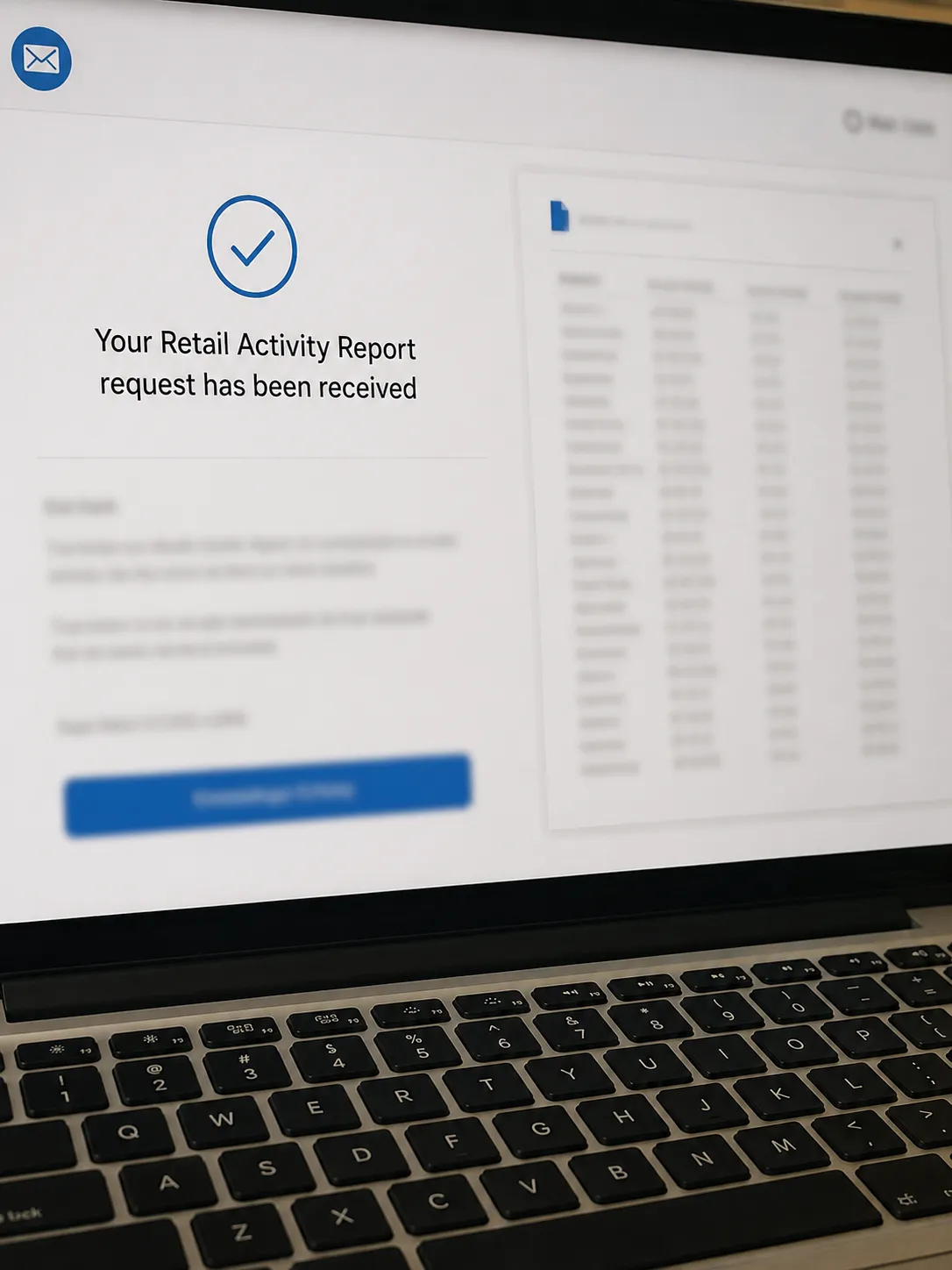
Here is how to check and dispute your own record, step by step:
Keep any warned or declined receipt, because it carries the transaction ID you will need.
Request your Retail Activity Report from the verification service by web, phone, or email.
Review it for returns you do not recognize or details that look wrong.
Dispute inaccuracies in writing so the company must investigate, generally within 30 days.
According to the CFPB, the return-verification firm The Retail Equation is a listed consumer reporting company, and you can request one free report.
Your dispute rights sit under the Fair Credit Reporting Act, which requires a reasonable, no-charge investigation and correction of data the firm cannot verify.
The service is owned by Appriss, and a plain-language returns blacklist guide walks through exactly how to request your report. Bans are not unique to Walmart either.
The mechanics of how store return blacklists work follow a common pattern across big retailers.
A trust caveat worth knowing. In Hayden v. The Retail Equation, a federal court held the risk score did not meet the FCRA definition of a “consumer report,” as Inside Class Actions reported, so do not assume every protection here is settled law.
What Gets You Flagged (and How to Stay Under the Line Honestly)
Walmart’s system tends to flag patterns rather than single returns. Frequent no-receipt returns, a high ratio of returns to purchases, and returns the system cannot tie to a purchase record draw the most scrutiny.
Industry-wide, the National Retail Federation estimates that 9% of all returns are fraudulent, which is why retailers increasingly lean on automated detection. Keeping receipts, using card lookup, and registering large purchases keep honest shoppers accurately recorded.
What a “returns violation” actually is
A “returns violation” is not a criminal record or a permanent mark. It is the verification system deciding your recent activity crosses a retailer-set threshold, which prints a warning or a decline.
The forum shorthand that “they’re watching your return activity” is basically true. The watching is automated pattern-matching, though, not a person with a grudge.
The behaviors that draw a look are consistent, and none of them are the occasional honest return:
Repeated no-receipt returns on the same or similar items in a short span.
A return ratio that dwarfs your purchase history, the classic “serial returner” pattern.
Returns with no purchase record the system can attach them to.
Patterns that resemble wardrobing or bracketing, buying to sample and sending most of it back.
For context, not panic, the same National Retail Federation report put total 2025 US returns at $849.9 billion. It also found that 85% of retailers now deploy AI to spot fraud, which is why the systems occasionally catch honest, frequent shoppers by mistake.
Honest guardrails that keep you accurately recorded:
Save digital receipts in the Walmart app or Walmart Pay so returns pull the transaction, not your ID.
Let the associate look up the card you paid with, because it acts as a receipt inside the window.
Register or keep proof for big-ticket purchases you might return.
Avoid stacking several no-receipt returns inside one 45-day window.
Once I started saving receipts in Walmart Pay, my returns stopped touching the no-receipt path entirely. The associate scanned my in-app purchase history instead of my license, and the ID counter never came into it.
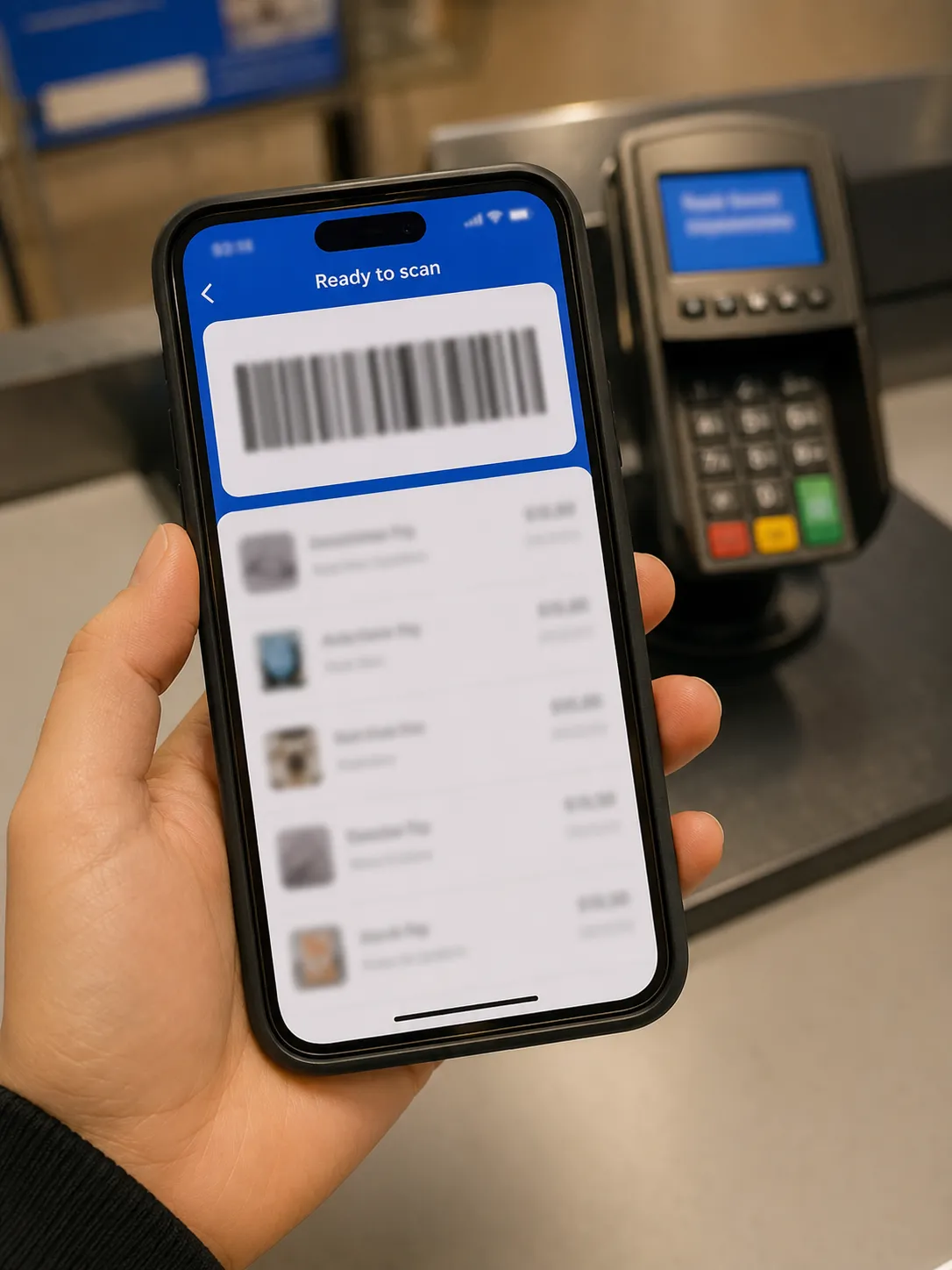
None of this is about evading detection. It is the opposite: staying accurately recorded so the system sees an honest shopper instead of a pattern.
A guide like WalmartDesk confirms that frequent no-receipt returns are exactly what triggers the auto-denial. The honest question underneath all this is simply where the line sits across stores.
That question is answered in how many returns is genuinely too many, which looks across retailers rather than just Walmart.
One honest limitation. No method guarantees you will never be flagged, and if you have already received a warning and an order got cancelled, that is a fixable situation walked through in fixing a Walmart return violation.
Frequently Asked Questions
How many no-receipt returns does Walmart allow?
Walmart allows about three no-receipt returns within a rolling 45-day window, each verified against your government photo ID. The exact number is not published and can vary with store and manager discretion, but past roughly three, the system tends to auto-decline further no-receipt returns until the window resets.
Can Walmart ban you for too many returns?
Yes, but for most shoppers the first real consequence is no-receipt returns getting auto-declined at the cap. Heavier or abuse-pattern activity can escalate to a returns-violation warning, restricted returns, and in rare cases an online-account deactivation or a store trespass ban tied to suspected fraud.
Do you get cash for a no-receipt return at Walmart?
Sometimes: if the item is worth $10 or less, Walmart may refund cash at the store’s discretion. Anything above $10 comes back as a Walmart gift card or store credit, set at the item’s lowest selling price over the previous 90 days rather than what you paid.
Does going to a different Walmart reset your return count?
No, because Walmart’s return-verification systems are linked across stores, so your no-receipt count follows your ID rather than the location. A different Walmart sees the same recent history, which is why store-hopping does not reset the 45-day tally or clear a decline.
Can you return food to Walmart without a receipt?
Usually only as an exchange, because Walmart limits no-receipt food returns to even swaps rather than refunds, largely to prevent EBT and WIC fraud. Policies vary by store and item, so a receipt or card lookup is the safer route for anything grocery-related.
How do I check my Walmart return record?
Request your Retail Activity Report from the return-verification service using the transaction ID on any warned or declined receipt, by web, phone, or email, with one report free. When I requested mine after a decline, it arrived by email within the stated window and listed the returns tied to my ID.
The Bottom Line on Walmart’s No-Receipt Limit
The Walmart return limit without receipt was never really a dollar figure. It is a frequency rule, about three ID-verified returns every 45 days, counted against your license and linked across every store you might try.
Get that straight and the rest falls into place. Under $10 can come back as cash, more than that lands on a gift card at the item’s lowest recent price, and serial-tracked electronics or a quick card lookup can sidestep the ID path entirely.
The anxiety question has a calm answer too. Too many returns can flag you and, at the extreme, cost you your account or store access, but the everyday consequence is a declined slip, not a ban.
You also have the right to see and dispute the record behind it. That single fact turns a scary rumor into something you can actually manage.
So the honest move is not to game the count. Keep your receipts, let your card do the talking, and save the no-receipt path for when you truly have no other option.
Do that, and the 3-in-45 rule almost never becomes your problem.
Read it your way
Short on time? Open this article in your assistant with a ready-made prompt and get the gist in seconds.
Found this useful? Make us a preferred source so we show up in your Google results.
Keep reading
Related articles
Eligibility & Conditions
What Stores Use The Retail Equation? (2026, Best Buy Out)
See which stores use The Retail Equation in 2026: a verified status list of who still tracks returns, who dropped it (Best Buy, 2019), and who never did.
Eligibility & Conditions
What Is The Retail Equation? How It Scores Your Returns
Denied a return? The Retail Equation scores your returns and can approve, warn, or deny them. See how it works, read a real RAR, and dispute errors
Eligibility & Conditions
Sephora Return Limit: No Set Number, 30-Day Window & TRE Tracking
Sephora has no set return limit, but a 30-day window and Retail Equation tracking mean too many returns can trigger a 365-day ban. Here’s the real rule.
Eligibility & Conditions
Do Stores Track Your Returns? How the System Works (2026)
Yes, most stores track and score your returns. See how the system works, what they log, and how to request your own Return Activity Report.
The discussion
Comments
Every comment is reviewed before it goes live.