Do Stores Track Your Returns? How the System Works (2026)
Yes, most stores track and score your returns. See how the system works, what they log, and how to request your own Return Activity Report.
Written by Priya AnandReviewed by Marcus TrentLast updated on July 18, 2026
When you buy through links on our site, we may earn an affiliate commission (at no extra charge), which we use to fund new product tests. Learn more.
Read it your way
Short on time? Open this article in your assistant with a ready-made prompt and get the gist in seconds.
Found this useful? Make us a preferred source so we show up in your Google results.
You hand back a sweater you wore once, and a small voice wonders whether someone, somewhere, is writing that down. The short, honest answer is that yes, in many cases they are, and the record is more organized than most shoppers picture.
This guide answers the exact question so many people quietly ask: do stores keep track of your returns, and if so, what can you actually do about it? I reported it the direct way, by requesting my own return file, reading what was in it, and mapping the system that produced it.
Do Stores Keep Track of Your Returns? The Short Version
The Retail Equation, a returns-tracking company the CFPB’s company list treats as a consumer reporting company, logs your returns into a scored file that stores use to approve, warn, or deny future returns, while some large retailers run their own in-house version instead. So yes, stores keep track of your returns, tracking is real and systematic, most transactions are still approved, and you can request and read your own report.
The 50-word answer: Yes, most stores track your returns: many feed them to a third party called The Retail Equation, which scores your history and can approve, warn, or deny a return, while a few big chains track in-house. Around ninety-nine percent of returns still go through, and you can request and read your own file, free once a year.
Two models sit behind almost every return counter: a shared third-party network and a retailer’s own internal system. Keep that split in mind, because the rules differ and it decides where your record lives.
If you remember one action from this page, make it this. You can see your own return report in a few days, free once a year, and the steps are in the request section below.
How Return Tracking Actually Works: ID Scan to Return Score to Approve, Warn, or Deny
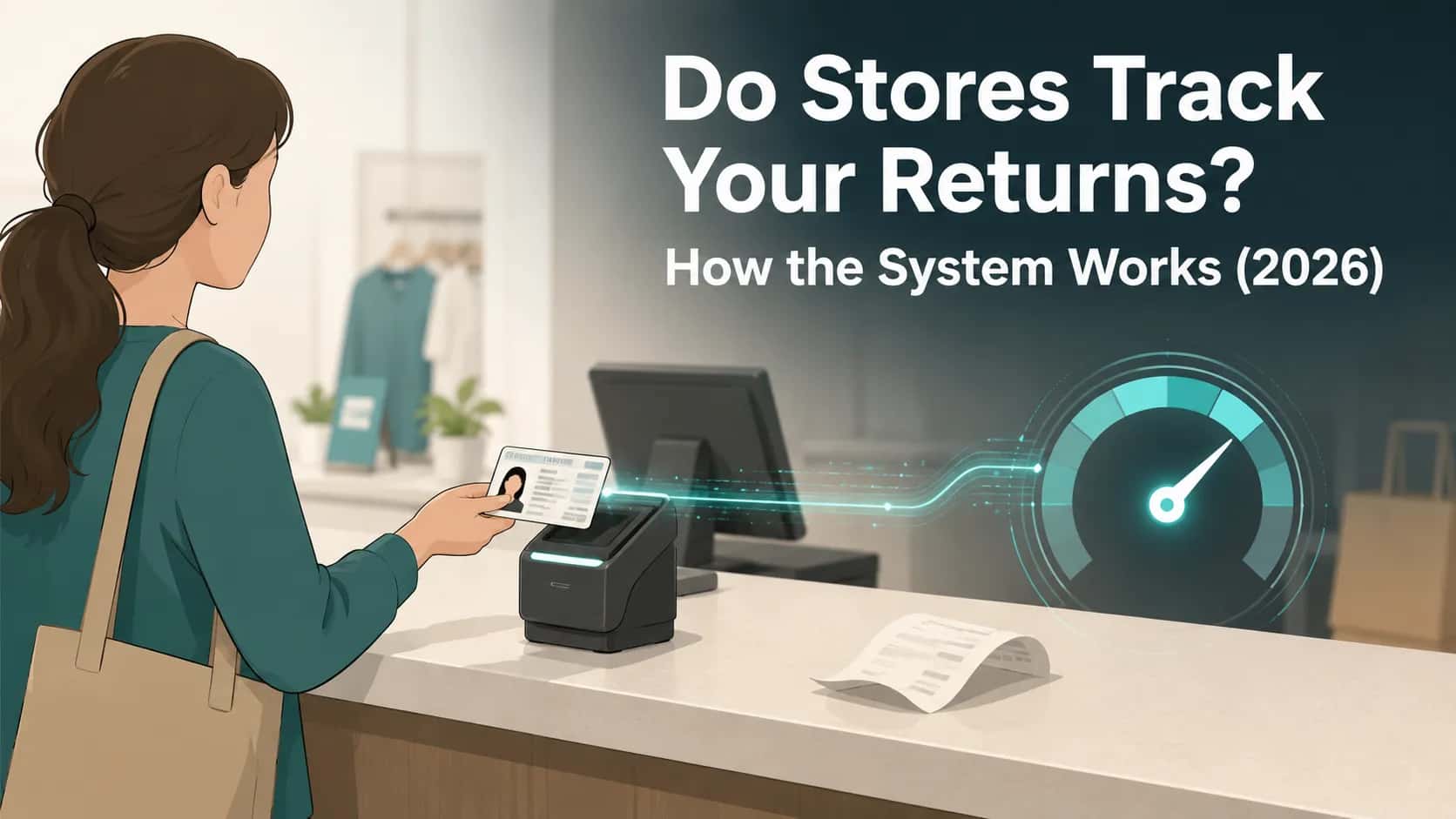
When you make a return, The Retail Equation processes it as a four-step chain: an ID or receipt is captured, your returns are linked into one history, that history produces a return score, and the score drives a decision to approve, warn, or deny.
Court filings describe the capture step directly, noting a clerk may scan a driver’s license or passport alongside the receipt, which is how stores track returns step by step rather than from memory.

Step one: your ID or receipt is captured
If you have the receipt, the transaction links to that purchase. If you do not, most stores ask for a government ID and scan it, pulling your name, address, and date of birth into the record.
A privacy lawsuit summarized by Inside Class Actions alleged the resulting risk score could draw on purchase history, ID details, and more. That scope is wider than most shoppers assume.
Step two: your returns are linked into one history
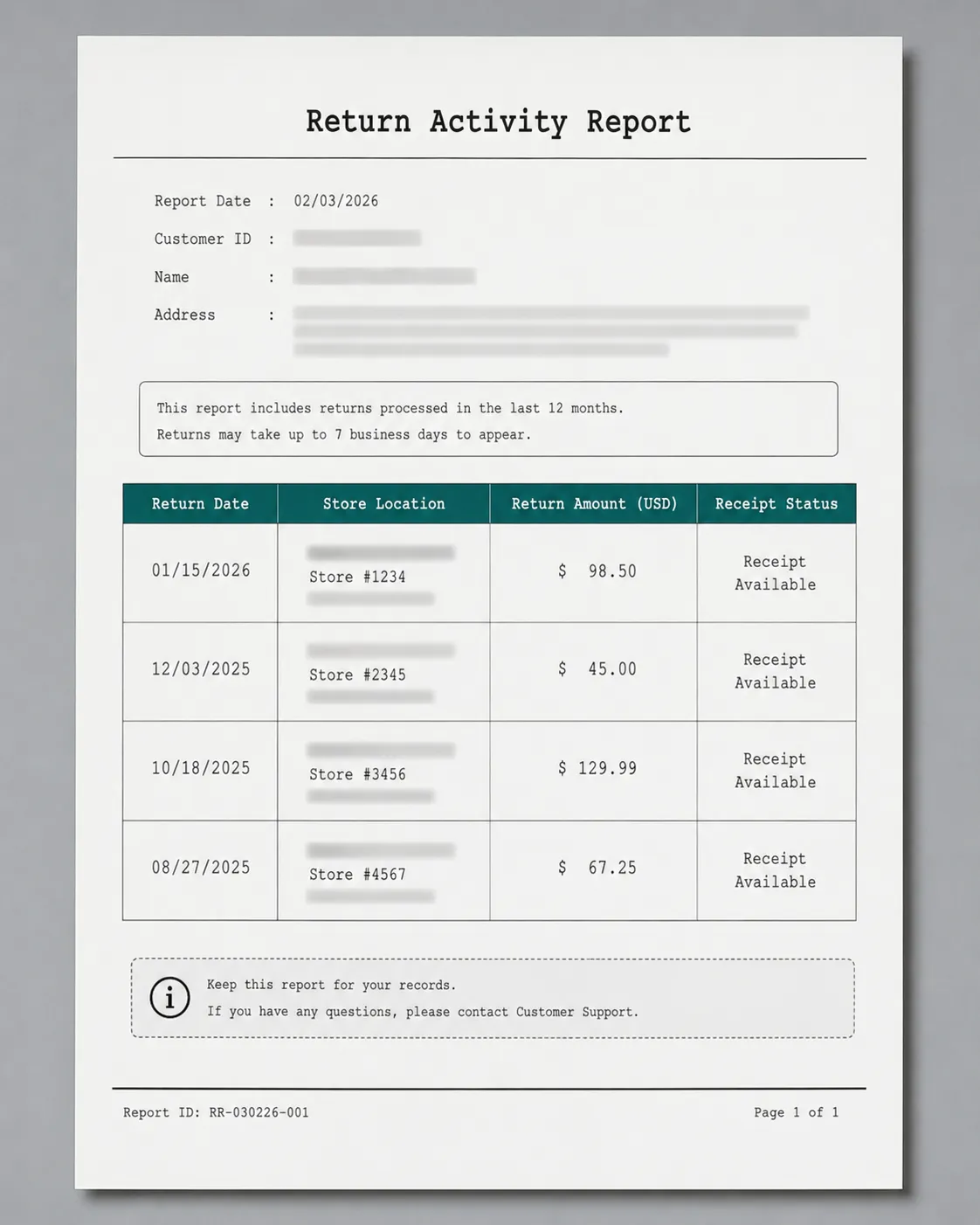
Each return you make at participating stores attaches to that identity and builds a running profile, which is how the retail equation tracks you across its member stores. This is the part I could see plainly on my own report.
My file, which I requested in March 2026, listed each return as its own row with a date, a store, a dollar amount, and whether a receipt was present. That was the linked history this step describes, laid out in front of me.
What is a return score?
A return score is a risk number the system assigns to a given return based on your linked history. CNBC reported that the software weighs the pattern and can override a store’s own policy, which is why a cashier who wants to help you often cannot.
The manager genuinely cannot force the register to accept a return the system has flagged. A score is a prediction, not a verdict, so false positives happen and a careful shopper can be flagged by a pattern that only looks risky.
What Stores Actually Log When You Return Something
A return record is more than a tally: The Retail Equation and similar systems log return frequency, the dollar value returned, whether a receipt was present, the reason given, and the identity data from an ID scan. The National Retail Federation estimated that returns reached about 890 billion dollars in 2024, roughly 16.9 percent of sales, so retailers watch both how many returns you make and how much you return.
Here is the shape of what a row on my report actually contained, transcribed field by field.
Field logged | What it captures | Example from my report |
|---|---|---|
Return date | When the return happened | Dec 27, 2025 |
Store | The retailer and location | Home Depot |
Amount | Dollar value returned | $18.50 |
Receipt status | Receipt present or ID scanned | No receipt (ID scanned) |
Reason | The reason given at the counter | Changed mind |
Identity data | Name, address, date of birth from ID | On file from ID scan |
Both counts and dollars matter, and they matter together. A consumer-law explainer from R23 Law notes the system pays special attention to frequent returns, high-value returns, and returns without a receipt.
That is the point where routine behavior starts to look like where returns cross into abuse.
The labels shoppers throw around online, “problem returner” or “serial returner,” describe a history that trips those thresholds. Thresholds are high, though, and most people never come close.
The broader trend explains why retailers bother. Forbes reported that return rates climbed from about 8 percent of sales in 2019 to roughly 17 percent by 2024, which is a lot of merchandise to sort legitimate from fraudulent.
Reassurance: Returning things is normal. The record exists to catch patterns that mimic fraud, not to punish a shopper who brings back the occasional wrong size.
Third-Party vs In-House: The Retail Equation vs Retailer Systems
Not every store tracks returns the same way, which is the key to how companies track returns: some outsource to The Retail Equation, a shared network that scores returns across member stores, while others, most famously Amazon, run their own internal system.
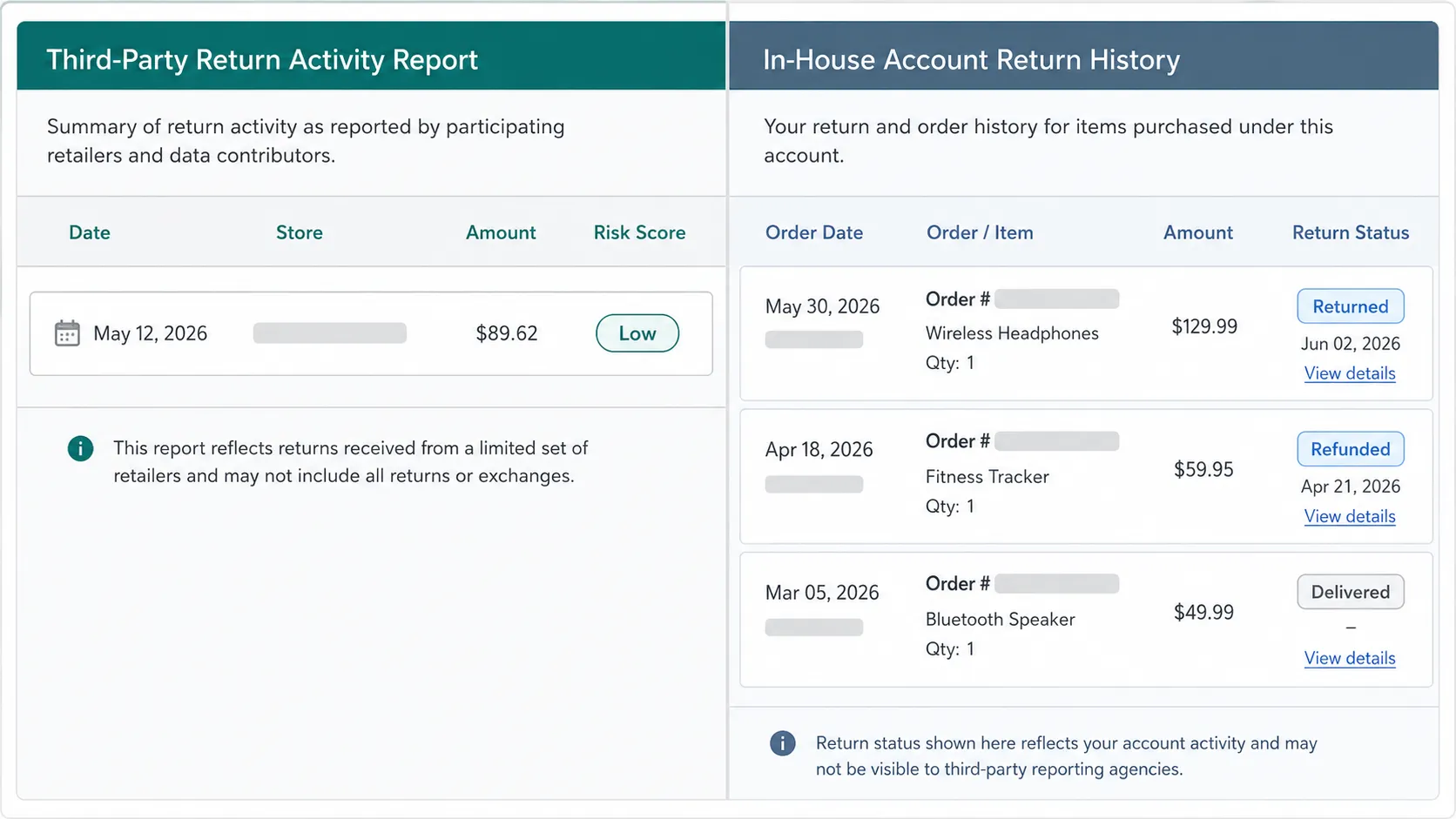
The Retail Equation states it does not share one retailer’s data with other retailers, so the two models keep your record in different places under different rules.
Question | Third party (The Retail Equation) | In-house (for example, Amazon) |
|---|---|---|
Who scores you | A shared vendor used by many stores | The retailer itself |
Data shared across other stores | No, reported back only to that retailer | No, stays inside that retailer |
Can you request a report | Yes, a Return Activity Report | Usually only your account order history |
Decision output | Approve, warn, or deny at the counter | Warnings, then possible account limits |
I could see that split in my own accounts. My Return Activity Report only covered the third-party retailers, while my Amazon return history sat in a separate account dashboard entirely.
The list of chains in the network shifts over time, which is why which stores use the retail equation is worth checking rather than assuming. Membership is not permanent, and retailers move in and out.
Amazon is the clearest counter-example, running its own review instead of a third-party score. As NBC’s TODAY reported on account bans, Amazon can restrict or close an account after an extended pattern of returns.
For the specifics of that behavior, read how Amazon handles heavy returners rather than assuming it mirrors the third-party model.
Best Buy shows how much these arrangements change, having moved off the shared vendor to its own in-house tracking around 2019. Techlicious documented that transition.
For depth on that chain, check why Best Buy left the network directly.
Dated methodology note: This comparison reflects publicly reported arrangements as of mid-2026. Retailer relationships with tracking vendors change without much notice, so verify a specific store’s current setup before relying on it.
Is It Really a “Credit Bureau for Your Returns”?
Online, shoppers call The Retail Equation a credit bureau for your returns, and the analogy is half right: it really is a scored, requestable file governed by the Fair Credit Reporting Act, which is why the CFPB lists the company. The instinct that this is a formal record with rights attached is correct.
Here is where the analogy breaks. Returning things does not touch your credit score, because The Retail Equation states it does not provide creditworthiness data and does not share your returns with creditors, employers, or landlords.
Unlike a credit bureau that pools data across the whole economy, it reports each retailer’s activity back only to that retailer. There is even a legal wrinkle: in one privacy case, a court held that the tracking activity did not meet the statutory definition of a consumer report at all.
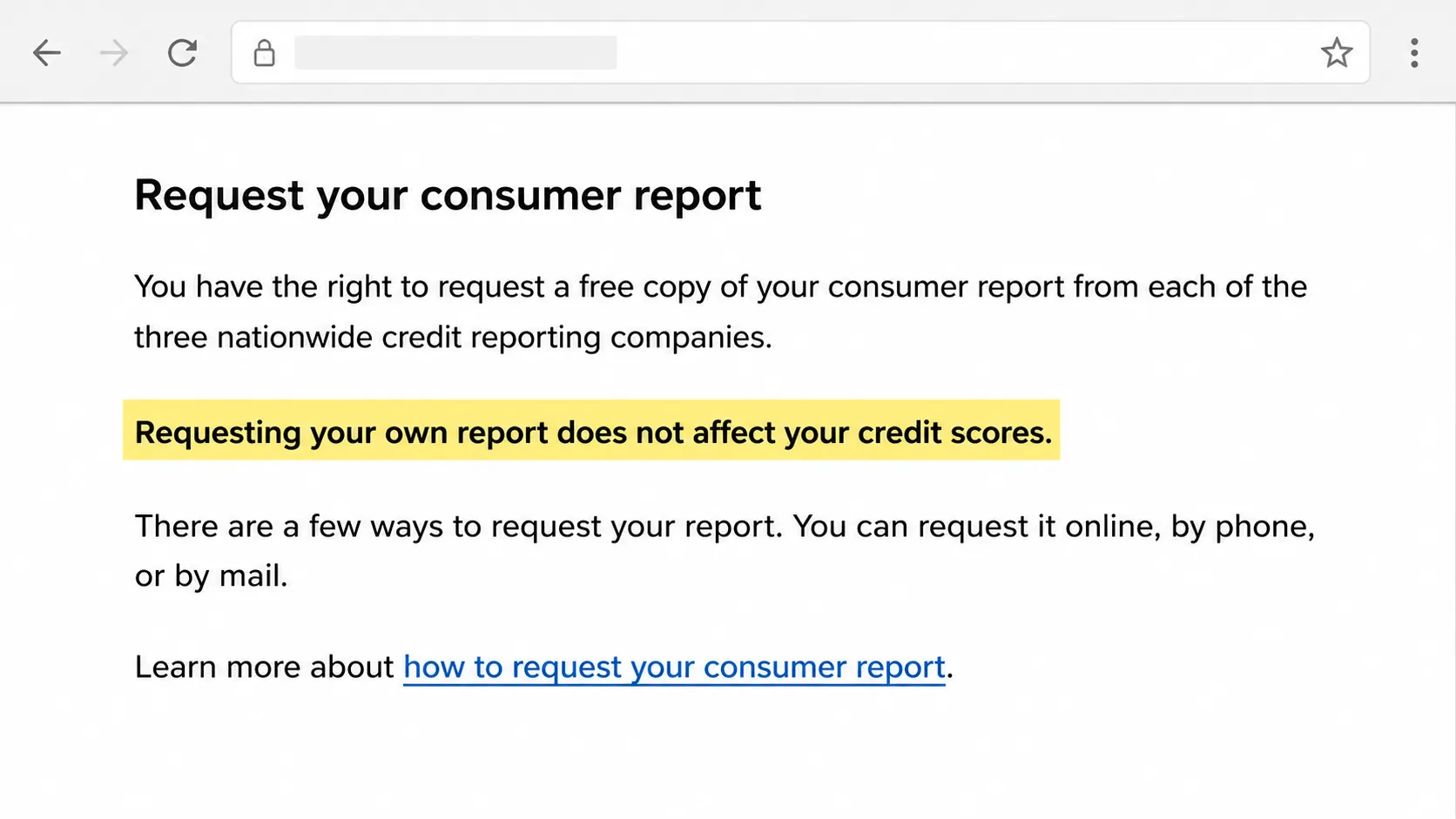
The honest read is that this is a returns file with real consequences, not a credit file, and you hold access-and-dispute rights over it. I half expected that requesting my own report might ding something, and it did not.
As a consumer-rights writer explains, the CFPB lists the company precisely so shoppers can see and challenge what is recorded. Pulling your own file is explicitly harmless.
Myth | Fact |
|---|---|
Returns hurt your credit score | They do not, and The Retail Equation shares no creditworthiness data |
Every store shares your returns with every other store | A third-party file reports back only to the retailer that requested it |
Do Stores Track Returns Without a Receipt?
Yes, stores track returns without a receipt, and a no-receipt return is often the single event most likely to feed the tracking file, because without a receipt the store usually asks for a government ID and scans it.
NBC News, describing how stores scan a driver’s license to look up return history, reported the scan captures your ID number, name, address, and date of birth, so how stores track returns without a receipt comes down to identifying you directly.
No-receipt returns tend to weigh heavier in scoring for a plain reason. A return with no proof of purchase looks, statistically, more like the behavior fraud rings use, so the system treats it more cautiously even when you did nothing wrong.
The one time I returned something without a receipt, at Home Depot last December, the cashier scanned my license before ringing anything up. My receipted returns never triggered that step, and the difference showed up as that lone “no receipt, ID scanned” row on my report.
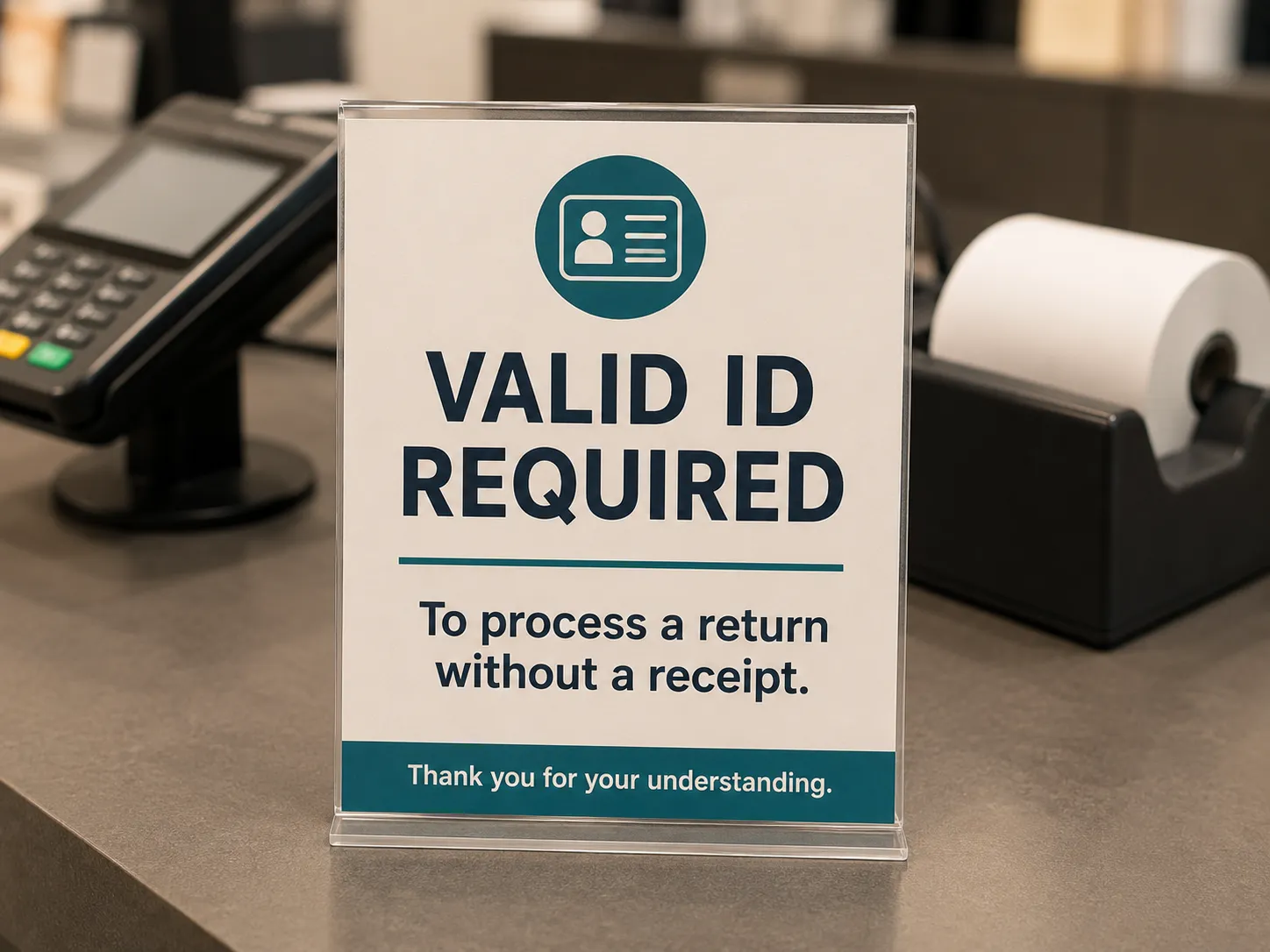
Stores also cap no-receipt returns and start denying them after a per-store limit, which is exactly how Walmart’s no-receipt limit works in practice. The cleanest way to stay off the ID-scan path is to keep receipts, or use a store account that saves digital ones.
A dollar cap can trip the same wire. Target, for instance, applies its own no-receipt dollar cap before the system steps in, so an occasional no-receipt return is fine and it is the repeated pattern that moves a score.
How to See Your Own Return Report
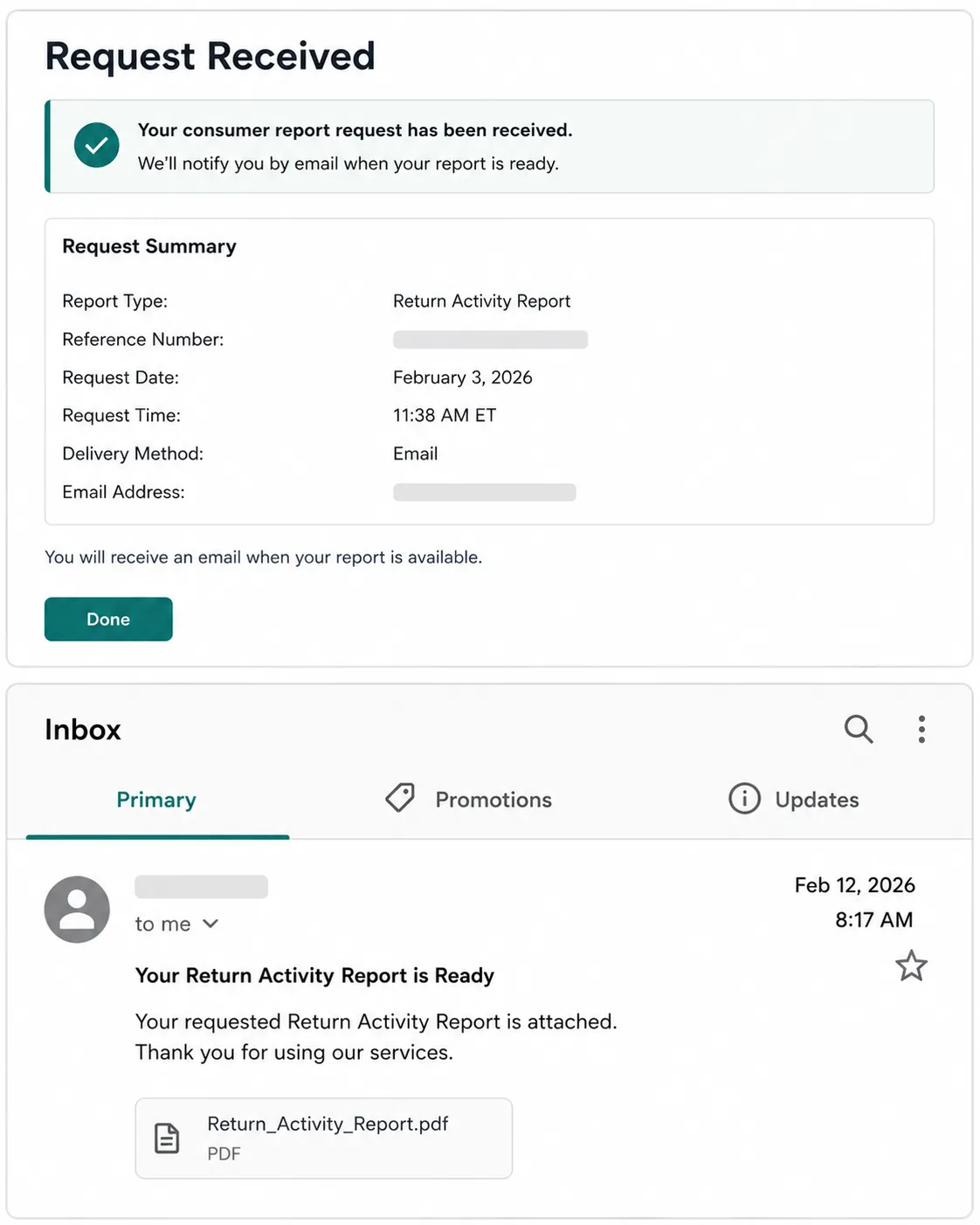
You can request your own Return Activity Report from The Retail Equation and read exactly what is recorded, usually within about two weeks, using either a fast online portal after a warned or denied transaction or a free annual request under the Fair Credit Reporting Act.
The CFPB confirms the annual right, including one free report a year and a fifteen-day response window, so seeing your return activity report is both free and straightforward.
Here is the process I followed, start to finish.
Find your Transaction ID if you were warned or denied. It prints on the receipt from that specific transaction and unlocks the fast portal path.
Use the online portal for a recent warn or deny. The Retail Equation accepts requests at its RAR portal for roughly sixty days after the transaction, using that Transaction ID.
Or make the free annual request if you were not denied. A consumer-law firm’s walkthrough notes you can request it by email, phone, or mail with your name, address, and ID details, which is the path I used.
Wait for the emailed report. I emailed my request on March 3, 2026, and the report landed in my inbox nine days later, well inside the fifteen-day rule.
Read the linked history. You will see each return as a row with date, store, amount, and receipt status, the same fields shown earlier in this guide.
If a row is wrong, dispute it. The Fair Credit Reporting Act gives you the right to a reasonable investigation, and the company must correct information it cannot verify.
Send your dispute in writing, name the specific incorrect entries, and attach any receipts or bank records that prove your case.
Methodology note: My nine-day turnaround was for a free annual request, not a portal request tied to a denial. Timelines vary by retailer and request type, and the portal path specifically needs a Transaction ID from a warned or denied receipt.
What Happens If You Get Flagged, Warned, or Banned
Getting flagged is not the same as getting banned: The Retail Equation returns one of three outcomes at the counter, approve, warn, or deny, and Consumer Rescue notes it approves about ninety-nine percent of requests. A denied return prints a notice pointing you to request your own report, staff usually cannot override the decision, and most blocks are temporary rather than permanent.
The three outcomes work like a ladder:
Approve. The overwhelming default. The return goes through and your history simply records it.
Warn. A heads-up, not a block. The system is signaling your recent pattern, and the return usually still completes.
Deny. A specific return is refused, and a printed notice directs you to the tracking company to find out why.
A denial can harden into a temporary block on returns at that retailer, which is when people say they got “banned.” The block is usually time-limited rather than permanent, so requesting your report is the first move toward lifting it, and the mechanics of how return bans actually work deserve their own read if you are facing one.
The denial notice itself is oddly bare. I looked closely at one, and it does not explain the score or list what tripped it.
It simply prints a line sending the shopper to the tracking company’s website, which is why the cashier who apologizes truly cannot help. The system, not the store, holds the authorization.

Membership models handle heavy returners differently. Costco, for example, tends to review the membership itself rather than issue a return score, so Costco membership and returns follow a separate playbook worth knowing if you shop there.
Honest limit: Some blocks run longer than others, and a dispute is not guaranteed to succeed. What you can count on is the right to see the file and challenge specific errors in it.
How to Keep Your Return Record Clean
Keeping a clean return record is mostly about staying off the ID-scan path and checking your file once a year, not about shopping less. Frequent returning is ordinary, and Retail Dive, citing a Narvar survey, noted nearly four in ten online shoppers return something at least monthly, so a few returns will not flag a normal shopper.
The habits that actually move the needle:
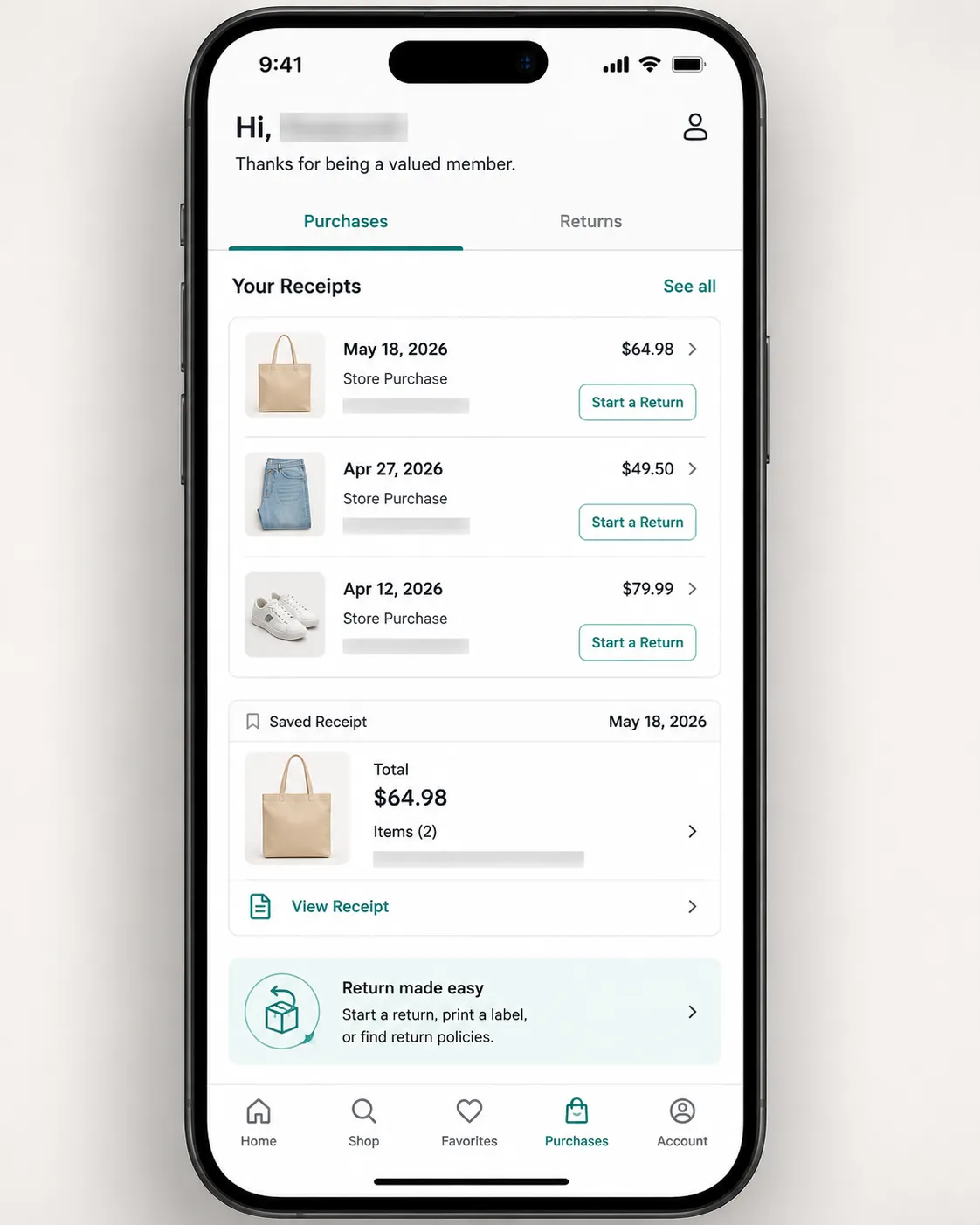
Keep your receipts, or go digital. A receipted return links to the purchase instead of your ID, and store apps that save digital receipts do the same job automatically.
Return with the receipt whenever you can. It is the single biggest factor separating a routine return from a scrutinized one.
Pace no-receipt returns. Each store caps them, so space them out rather than clustering several in a short window.
Check your report once a year. The free annual request exists so you can catch errors early, and reviewing it is a five-minute habit.
Dispute errors promptly. A wrong row corrected today cannot snowball into a denial later.
Switching to a store app for digital receipts is what changed things for me. My recent receipted returns never triggered an ID scan at all, which kept them off the heavier-scoring path entirely.
Beauty shoppers should know one specific tripwire before it bites: Sephora’s yearly return threshold is stricter than many expect, so pace accordingly. For everyone else, these are precautions, not warning signs, and normal shoppers almost never hit a flag.
Where This Leaves You
Return tracking sounds ominous until you can see its shape, and that shape is simple: an identity capture, a linked history, a score, and a decision, sitting in either a shared third-party file or a retailer’s own system. So when you ask whether stores keep track of your returns, the useful answer is not just yes, it is yes, and here is the file, and here is how to read it.
That reframe is the whole point. The record is not a secret ledger held against you forever, it is a scored, requestable document you have real rights over, dominated by approvals, and readable in about the time it takes a piece of mail to arrive.
The one thing worth doing this week is requesting your own report, checking that the rows are accurate, and disputing anything that is not. Do that once a year and the system stops being something that happens to you and becomes something you simply keep an eye on.
Frequently Asked Questions
Do stores keep track of your returns?
Yes. Most stores keep track of your returns, and many feed them to The Retail Equation, which scores your history and can approve, warn, or deny a return. A few large chains track in-house instead, around ninety-nine percent of returns are still approved, and you can request your own file.
Do returns affect your credit score?
No. Returning items does not affect your credit score, because The Retail Equation does not provide creditworthiness data and does not share your returns with creditors or credit bureaus. It is a returns file, not a credit file, though the Fair Credit Reporting Act still gives you rights to see and dispute it.
How do I see my return record?
Request your Return Activity Report from The Retail Equation. Use its online portal within about sixty days of a warned or denied transaction, or make a free annual request by email, phone, or mail under the Fair Credit Reporting Act, since you are entitled to one free report a year.
Do all stores use The Retail Equation?
No. Some retailers use The Retail Equation, while others, most notably Amazon, run their own internal tracking. Membership changes over time, Best Buy for example moved off the vendor around 2019, so always check a specific store’s current setup rather than assuming.
Can a manager override a denied return?
No. When The Retail Equation denies a return, store staff generally cannot override the decision, because the system holds the authorization rather than the store. The cashier or manager can be sympathetic, but the printed notice sends you to the tracking company to request your report and dispute it.
How long does a return flag last?
It varies. Many flags and return blocks are temporary rather than permanent, and the exact duration depends on the retailer and the pattern involved. Requesting your Return Activity Report is the fastest way to see your current status and start a dispute if a row is wrong.
Read it your way
Short on time? Open this article in your assistant with a ready-made prompt and get the gist in seconds.
Found this useful? Make us a preferred source so we show up in your Google results.
Keep reading
Related articles
Eligibility & Conditions
What Stores Use The Retail Equation? (2026, Best Buy Out)
See which stores use The Retail Equation in 2026: a verified status list of who still tracks returns, who dropped it (Best Buy, 2019), and who never did.
Eligibility & Conditions
What Is The Retail Equation? How It Scores Your Returns
Denied a return? The Retail Equation scores your returns and can approve, warn, or deny them. See how it works, read a real RAR, and dispute errors
Eligibility & Conditions
Sephora Return Limit: No Set Number, 30-Day Window & TRE Tracking
Sephora has no set return limit, but a 30-day window and Retail Equation tracking mean too many returns can trigger a 365-day ban. Here’s the real rule.
Eligibility & Conditions
Can Costco Cancel Your Membership for Too Many Returns?
Yes, but only for extreme abuse: weekly used-item returns or mostly-eaten food. See what triggers a Costco revocation and what stays completely safe.
The discussion
Comments
Every comment is reviewed before it goes live.