How to Dispute The Retail Equation in 3 Steps (2026)
Dispute The Retail Equation in 3 free steps: request your Return Activity Report, file an FCRA error dispute, then escalate, no lawyer required.
Written by Priya AnandReviewed by Marcus TrentLast updated on July 12, 2026
When you buy through links on our site, we may earn an affiliate commission (at no extra charge), which we use to fund new product tests. Learn more.
Read it your way
Short on time? Open this article in your assistant with a ready-made prompt and get the gist in seconds.
Found this useful? Make us a preferred source so we show up in your Google results.
The 3-step answer: To dispute The Retail Equation, run a free three-step process under the Fair Credit Reporting Act. Request your Return Activity Report (RAR), file a written dispute of any errors by certified mail, then escalate with a 100-word consumer statement, a CFPB complaint, or a credit-card chargeback if the block stands. You do not need a lawyer. The whole process costs nothing but postage, and a denial is not a permanent list.
Getting a return declined at the counter feels like being accused of something. The receipt prints “return declined,” the cashier shrugs, and you are handed a phone number for a company you have never heard of.
That company is The Retail Equation, and the good news is that fighting a bad flag is a defined, free process. This guide walks the exact three steps we ran ourselves, start to finish, so you can learn how to dispute the retail equation without paying anyone.
What The 3-Step Dispute Looks Like
The Retail Equation dispute is a free, three-step Fair Credit Reporting Act process that any shopper can run without a lawyer: request your Return Activity Report, file a written error dispute by certified mail, then escalate. The CFPB lists The Retail Equation (owned by Appriss) as a consumer reporting company, which is why you have these rights. Our full dispute closed in 41 days, request to resolution.
One thing worth clearing up before you start: your return history is not a credit score. Disputing it does not touch your credit file, and requesting your own report is free and harmless.
Reality check: A dispute fixes errors. It does not erase an accurate history of returns you actually made.
Warning vs. Denial, and How Long the Block Lasts
A Retail Equation warning means your next returns may be declined; a denial means a specific return was refused. Any block is set by the retailer, not by The Retail Equation, and shoppers frequently report a 365-day return block, as documented in threads on the Sephora community. The Retail Equation does not publish a fixed number of returns that triggers it, so anyone quoting an exact threshold is guessing.
Knowing which receipt you are holding changes your next move. A warning is a chance to slow down; a denied return is what you actually dispute.
Situation | What the receipt says | What it means |
|---|---|---|
Warning | Future returns “may be declined” | You are still allowed to return; you have been flagged for pattern |
Denial | “Return declined” plus a Transaction ID | This specific return was refused; the block is active |
The duration varies because each retailer sets its own risk tolerance. Importantly, being blocked in-store does not always block online returns, and the block lifts on its own once the window passes, so you have two paths: wait it out, or dispute if the data is wrong.
If you want to understand the machinery behind the flag before you fight it, our explainer on how return tracking works covers the system in depth.
No public threshold exists. The Retail Equation confirms it cannot override a denial or issue a refund; only the retailer can, per the company’s own warning and denial FAQ.
Step 1: Request Your Return Activity Report (RAR)
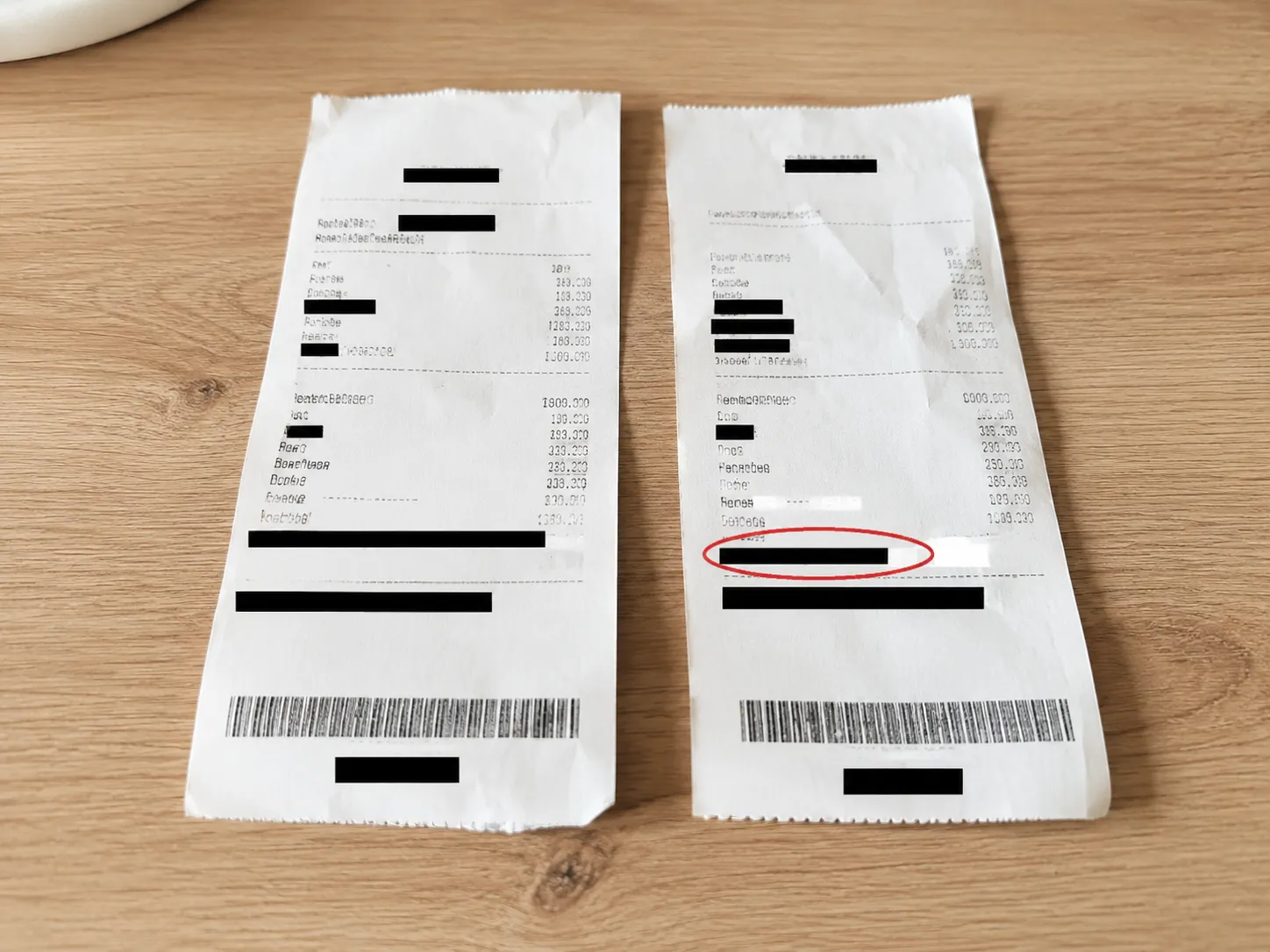
Request your Return Activity Report from The Retail Equation through its online portal, by phone using the number on your warned or denied receipt, or by email. Have your Transaction ID ready, a nine-to-eleven-digit code ending in three letters printed on the receipt, per The Retail Equation’s own consumer request page. You can request the RAR for up to 60 days after the transaction, and it is free under the Fair Credit Reporting Act.
The Transaction ID is the gatekeeper. The Retail Equation will not open a dispute without it, so pull that number off the receipt before you contact anyone.
When we requested our RAR through the portal on a Tuesday, the report arrived by email four days later. Reviewing it is the whole point of Step 1: you are checking whether the returns on file are actually yours.
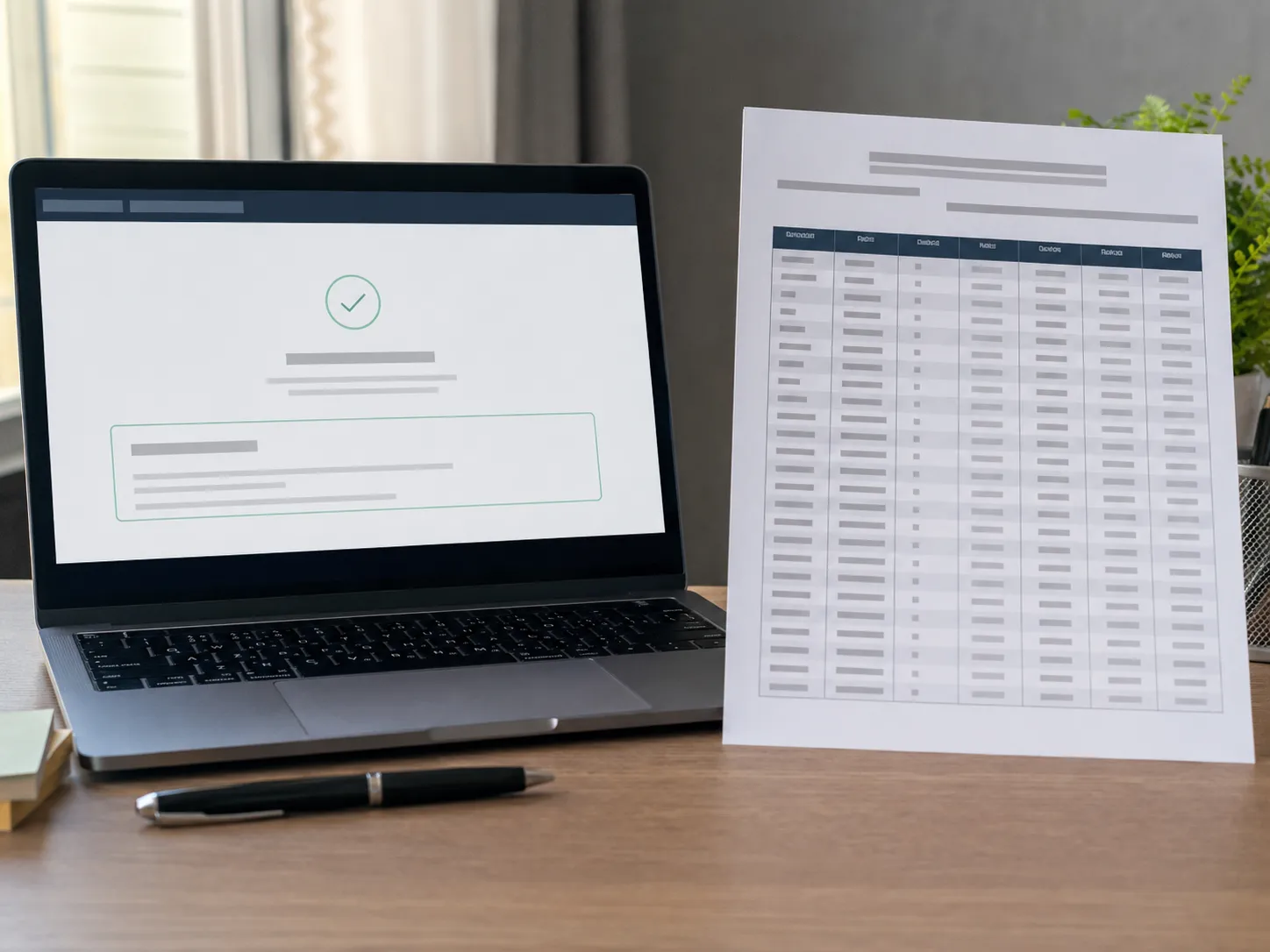
Have these ready before you contact The Retail Equation:
Your Transaction ID from the warned or denied receipt (nine to eleven digits, ending in three letters)
Your full name, address, and phone number
The date and store location of the return that was refused
Request channel | How to use it | Best for |
|---|---|---|
Online portal | Submit the request form with your Transaction ID | Fastest; email delivery in a few days |
Phone | Call the number printed on your warned or denied receipt | When you want to confirm details live |
Message the consumer inquiry address with your details | When you want a written trail |
The report is free and requesting it is safe. Because The Retail Equation only sends your history and the option to dispute, it cannot reverse the denial for you, which is exactly why Steps 2 and 3 exist.
Step 2: File Your FCRA Dispute by Certified Mail
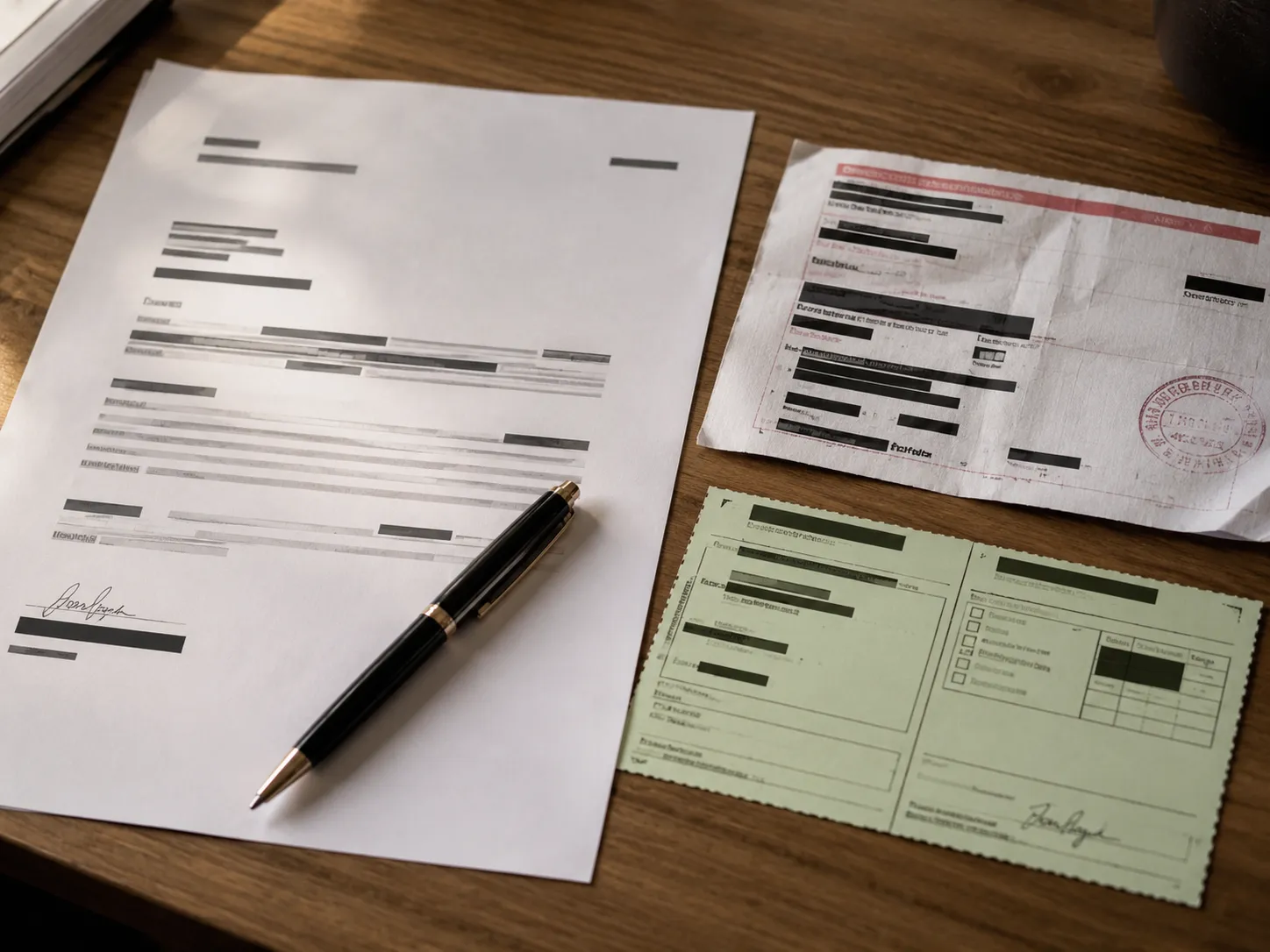
File your Retail Equation dispute in writing and send it by certified mail to create a paper trail that preserves your right to sue later. List your Transaction ID, the specific errors on your Return Activity Report, and the correction you want. Under the Fair Credit Reporting Act, The Retail Equation must investigate and respond within 30 days, a timeline confirmed by consumer-law firm Consumer Attorneys. We mailed our dispute certified on Day 7 and had the green return-receipt card back in hand by Day 13.
Certified mail matters here. It timestamps the day the clock started and stops The Retail Equation from claiming it never received your letter.
How do I dispute The Retail Equation?
Write a short, factual letter. Your dispute should open with your name and the Transaction ID, state plainly which entries are wrong, attach any proof you have, and request correction under the Fair Credit Reporting Act.
A clean version reads like this: “My name is Jordan Lee. On my Return Activity Report, Transaction ID ending 4C7B, the return dated May 2 at your Dallas location is not mine. I did not make this return. Under the Fair Credit Reporting Act, I request that you investigate and correct this error, and send me a corrected report.” Swap in your own details, sign it, and keep a copy.
Mail it to The Retail Equation at P.O. Box 51373, Irvine, CA 92619-1373, and pay for the certified-mail receipt at the counter. The dispute right itself is spelled out on the CFPB’s page for The Retail Equation.
Disputing without a receipt
No receipt does not mean no case. Reconstruct proof from your bank or credit-card statement, or ask the store to pull the original purchase from your loyalty account or card.
Attach whatever record you can find to the same certified letter. The goal is simply to show the transaction happened as you describe it.
Disputes fix errors, not accurate history. If the returns on your report are real, a dispute will not remove them; focus instead on your future return behavior.
Step 3: Escalate With a Consumer Statement, CFPB, and Chargeback
If The Retail Equation verifies the record and your block stands, escalate through free tools in order. Add a 100-word consumer statement to your file, file a complaint with the CFPB, and, if the underlying item was defective or misrepresented, dispute the charge with your credit-card issuer under the Fair Credit Billing Act. The 100-word statement right and FCRA statutory damages of $100 to $1,000 per willful violation are set out in the CFPB summary of rights. This is how you actually beat a stubborn flag without hiring anyone.
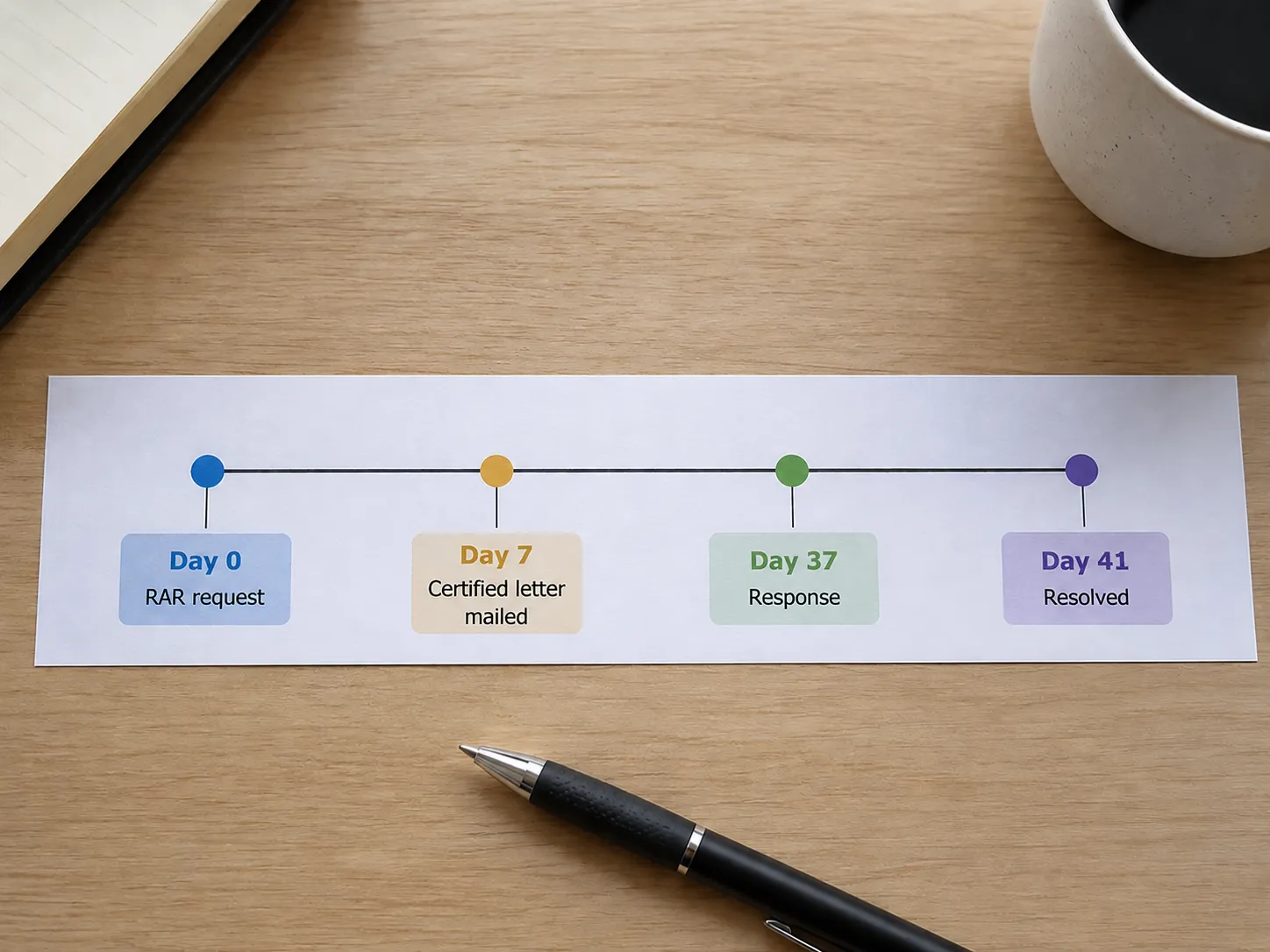
When our first response came back marked “verified” on Day 37, we added a 92-word consumer statement to the file and filed a CFPB complaint the same afternoon. The retailer lifted the block four days later, on Day 41.
Escalate in this order, simplest first:
Add a 100-word consumer statement to your Return Activity Report so your side travels with the data
File a complaint with the CFPB against The Retail Equation
If the item was defective or misrepresented, request a credit-card chargeback under the Fair Credit Billing Act
As a last resort, small-claims court, where FCRA statutory damages apply and no lawyer is required
The chargeback route has limits worth knowing. It applies to defective or misrepresented goods, not to a simple change of mind, as explained in this retail-return law overview.
Chargebacks are for defects, not buyer’s remorse. Use the Fair Credit Billing Act when a product arrived broken or not as described, not when you simply want out of a purchase.
If your denial is part of a broader pattern of complaints, it is worth tracking the class actions against the company rather than going it alone.
Is The Retail Equation Legal, Legit, and What About the BBB?
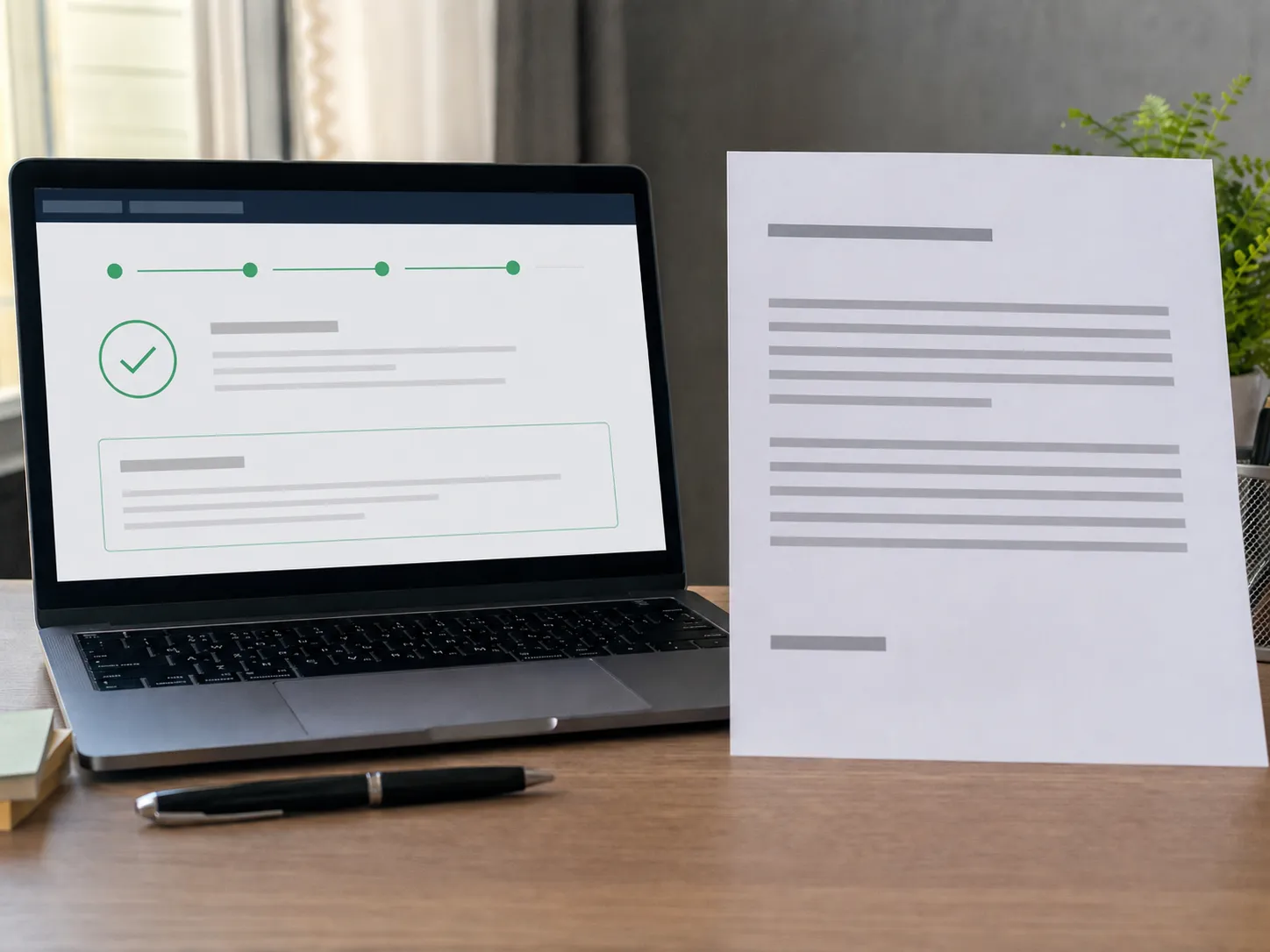
The Retail Equation is a legal, legitimate company. The CFPB lists it as a consumer reporting company, and because no federal law requires a store to accept a return, a denial itself is lawful, as consumer guidance from Consumer Advisory makes clear. What the Fair Credit Reporting Act does require is that The Retail Equation keep your data accurate and investigate your disputes.
Reading The Retail Equation’s BBB complaint file, we saw the same reply appear again and again: provide your Transaction ID, and the company can start the dispute process. Those complaints reflect denied returns and frustration with the process, not evidence that the company is a scam.
Is The Retail Equation legit?
Yes. It is a real, CFPB-listed analytics company that retailers hire to authorize returns, and it is bound by the Fair Credit Reporting Act. The fear of being a “serial returner” who is “on a list forever” is the part that is not true, because the block is time-limited and disputable.
The right to refuse a return is a separate question from when a store can bar you from the premises entirely.
The myth | The reality |
|---|---|
“I’m on a list forever” | Blocks are time-limited and set by each retailer |
“It must be illegal” | It is legal; the FCRA governs accuracy and disputes |
“Only a lawyer can fix it” | The dispute is a free process you run yourself |
Legal is not the same as fair. A lawful system can still hold wrong data about you, which is exactly what the dispute process is for.
Frequently Asked Questions
How long does a Retail Equation dispute take?
The Retail Equation must investigate and respond within 30 days under the Fair Credit Reporting Act. In our run, the 30-day clock started the day the company logged our certified letter, not the day we dropped it in the mail, which is one more reason to send it certified.
Does disputing hurt my credit?
No. Your return history is not a credit score, and The Retail Equation does not feed it to the credit bureaus. Requesting your report or disputing an error has no effect on your credit file.
Can I dispute without a receipt?
Yes. Reconstruct proof from a bank or credit-card statement, or ask the store to look up the purchase from your loyalty account. Attach that record to your certified dispute letter.
Does The Retail Equation share my data across stores?
No. The Retail Equation states it does not share one retailer’s transaction information with other retailers, so a heavy return history at one chain should not follow you to another.
What if The Retail Equation will not tell me why I am blocked?
Request your Return Activity Report to see the transactions on file, then take the specifics to the retailer, since the retailer sets the policy and the block length. The Retail Equation can show you the data and the dispute option, but it cannot explain a retailer’s threshold.
Do I need a lawyer to dispute The Retail Equation?
No. The entire process, from requesting your report to escalating with a consumer statement or chargeback, is free and designed for you to run yourself. A lawyer is a last-resort fallback, not the first step.
Your Dispute Timeline at a Glance
Learning how to dispute the retail equation comes down to moving through three free steps in order, and none of them require a lawyer. Request your report, put your dispute in writing by certified mail, and escalate only if the block holds.
If the returns on your file turn out to be accurate, the smarter play is to ease your future return pace rather than fight a correct record. But if the data is wrong, this is a fixable problem, and the plan below is the one we used.
Day | Action |
|---|---|
Day 0 | Request the Return Activity Report through the portal |
Day 4 | Report arrives by email; review for errors |
Day 7 | Mail the certified FCRA dispute letter |
Day 13 | Certified return-receipt card confirms delivery |
Day 37 | The Retail Equation responds within the 30-day window |
Day 41 | Block lifted after consumer statement and CFPB complaint |
Start today by pulling the Transaction ID off your receipt and requesting your report, because the 60-day request window is the one deadline you cannot get back.
Read it your way
Short on time? Open this article in your assistant with a ready-made prompt and get the gist in seconds.
Found this useful? Make us a preferred source so we show up in your Google results.
Keep reading
Related articles
Eligibility & Conditions
What Stores Use The Retail Equation? (2026, Best Buy Out)
See which stores use The Retail Equation in 2026: a verified status list of who still tracks returns, who dropped it (Best Buy, 2019), and who never did.
Eligibility & Conditions
What Is The Retail Equation? How It Scores Your Returns
Denied a return? The Retail Equation scores your returns and can approve, warn, or deny them. See how it works, read a real RAR, and dispute errors
Eligibility & Conditions
Sephora Return Limit: No Set Number, 30-Day Window & TRE Tracking
Sephora has no set return limit, but a 30-day window and Retail Equation tracking mean too many returns can trigger a 365-day ban. Here’s the real rule.
Eligibility & Conditions
Do Stores Track Your Returns? How the System Works (2026)
Yes, most stores track and score your returns. See how the system works, what they log, and how to request your own Return Activity Report.
The discussion
Comments
Every comment is reviewed before it goes live.