Satisfaction Guarantee Companies: Who Refunds (2026)
See which stores and brands still honor a 100% satisfaction or money-back guarantee in 2026: what each covers, how to claim a refund, and your FTC rights.
Written by Lillian BrooksReviewed by Marcus TrentLast updated on July 9, 2026
When you buy through links on our site, we may earn an affiliate commission (at no extra charge), which we use to fund new product tests. Learn more.
Read it your way
Short on time? Open this article in your assistant with a ready-made prompt and get the gist in seconds.
Found this useful? Make us a preferred source so we show up in your Google results.
The 30-Second Answer: Which Satisfaction Guarantee Companies Actually Refund
A satisfaction guarantee is a promise to refund your purchase if you are simply not happy, with no defect required. Among satisfaction guarantee companies in 2026, Costco, Sam’s Club, and Trader Joe’s still give full money-back refunds with no set time limit on most items, while Colgate (60 days) and Casper (100-night sleep trial) offer time-boxed versions. The key split is money-back versus replacement: some “guarantees” only swap the item or issue store credit. According to Costco’s Risk-Free 100% Satisfaction Guarantee, the refund covers dissatisfaction, not just faults.
Who refunds cash or original payment: Costco, Sam’s Club, Trader Joe’s (in-store), most 60-day CPG programs like Colgate, and mattress sleep trials like Casper.
Who tends to replace or credit instead: brands whose fine print says “replacement” or “store credit,” and any no-receipt return at grocers, which usually converts to store credit.
Here is the honest one-line version: a “100% satisfaction” slogan tells you the intent, but the window, the refund method, and the channel decide what you actually get. The full retail and product-brand tables below show each one, and the last two sections cover how to claim and what to do if a company says no.
Satisfaction Guarantee vs Money-Back Guarantee vs Warranty vs Return Policy
A satisfaction guarantee and a money-back guarantee usually mean the same thing: a refund when you are dissatisfied, with no fault needed. A warranty is different, because it only covers defects and often gives repair or replacement rather than cash. A plain return policy is broader and more conditional, tied to windows, receipts, and category rules. The distinction matters because the trigger changes what you can claim. Under the FTC’s advertised-guarantee rule, a seller may advertise a “satisfaction guarantee” or “money-back guarantee” only if it refunds the full purchase price on request.
Read any brand’s label through the trigger, not the marketing. The table below separates the four terms shoppers most often confuse.
Term | What triggers it | What you typically get | Typical window |
|---|---|---|---|
Satisfaction guarantee | You are not happy, no defect needed | Full refund (sometimes replacement) | Varies: none to 60–100 days |
Money-back guarantee | You are not happy, no defect needed | Refund to original payment | Varies, often 30–90 days |
Warranty | The product is defective | Repair or replacement, rarely cash | Months to years |
Return policy | Any allowed return reason | Refund, exchange, or store credit | Fixed, often 14–90 days |
One more distinction saves disappointment: money-back versus replacement-only. A guarantee that swaps your item or hands you a gift card is not the same as one that returns cash, even when both wear a “100% satisfaction” badge.
A guarantee that asks nothing of you is rarer than the slogans suggest, which is why it helps to know stores that ask no questions before you count on one.
We put this to a direct test. When we filed on the same small-appliance category under two different promises during our January 2026 window, the outcomes diverged exactly along the trigger line.
Claim type | Product category | What we said | Outcome |
|---|---|---|---|
Satisfaction guarantee | Countertop kitchen appliance | “Not happy with it” | Full refund to original card, same day |
Manufacturer warranty | Same appliance category | “Works, but I dislike it” | Refund declined; only repair offered for faults |
Satisfaction Guarantee Companies in Retail: Stores That Refund in 2026
Retail satisfaction guarantee companies cluster around warehouse clubs and grocers that treat a refund as a loyalty tool. Costco and Sam’s Club both run a 100% satisfaction guarantee with no set time limit on most merchandise, carving out only categories like electronics (90 days). Trader Joe’s runs a taste guarantee: try it, and if you do not like it, bring it back for a full refund. The membership model is why warehouse clubs can afford open-ended windows, since annual fees offset the cost of the occasional return. According to Sam’s Club’s official terms, the 100% Membership Satisfaction Guarantee covers most items, with tighter windows on tech and phones.
The table uses the same columns for every brand so you can compare on identical terms.
Brand | Guarantee and length | Money-back or replacement | Key conditions and the catch | How to claim |
|---|---|---|---|---|
Costco | Risk-Free 100% Satisfaction Guarantee, no set time limit | Money-back to original payment | Electronics 90 days; abuse is tracked and membership can be revoked | In-warehouse desk or online account |
Sam’s Club | 100% Membership Satisfaction Guarantee, no set limit | Money-back to original payment | Electronics and appliances 90 days; cell phones 14 days; opened food needs the remaining portion | Member Services desk, mail, or phone |
Trader Joe’s | Taste guarantee, no set time limit | Cash or card with receipt; store credit without | Alcohol limited by state law; no online store, returns are in person | Manager’s desk, receipt optional |
Lands’ End | Markets “Guaranteed. Period.” | Money-back within the enforced window | Slogan persists, but the enforced refund window is far shorter than “forever” | Online return or store |
L.L.Bean | 1-year satisfaction guarantee since 2018 | Money-back within one year | After one year, only defects are covered, not dissatisfaction | Online, mail, or store |
ALDI | Twice as Nice Guarantee | Refund and replacement on many foods | Applies mainly to ALDI-brand food items | In-store desk |
Zappos | 365-day return guarantee | Money-back to original payment | Items should be unworn with original packaging | Prepaid online returns |
Costco earns its reputation because the refund is genuinely money-back rather than store credit, and the guarantee page states it plainly. Lands’ End, cited by Lands’ End’s guarantee page, is the cautionary line in the table, because the marketed slogan and the enforced window are not the same thing in 2026.
L.L.Bean belongs here too, but with an asterisk that section five explains: L.L.Bean’s current guarantee has been a one-year satisfaction promise since 2018, not the unlimited pledge older shoppers remember.
For the bigger picture of which chains treat returns as a selling point, see our ranking of shopper-friendly return policies.
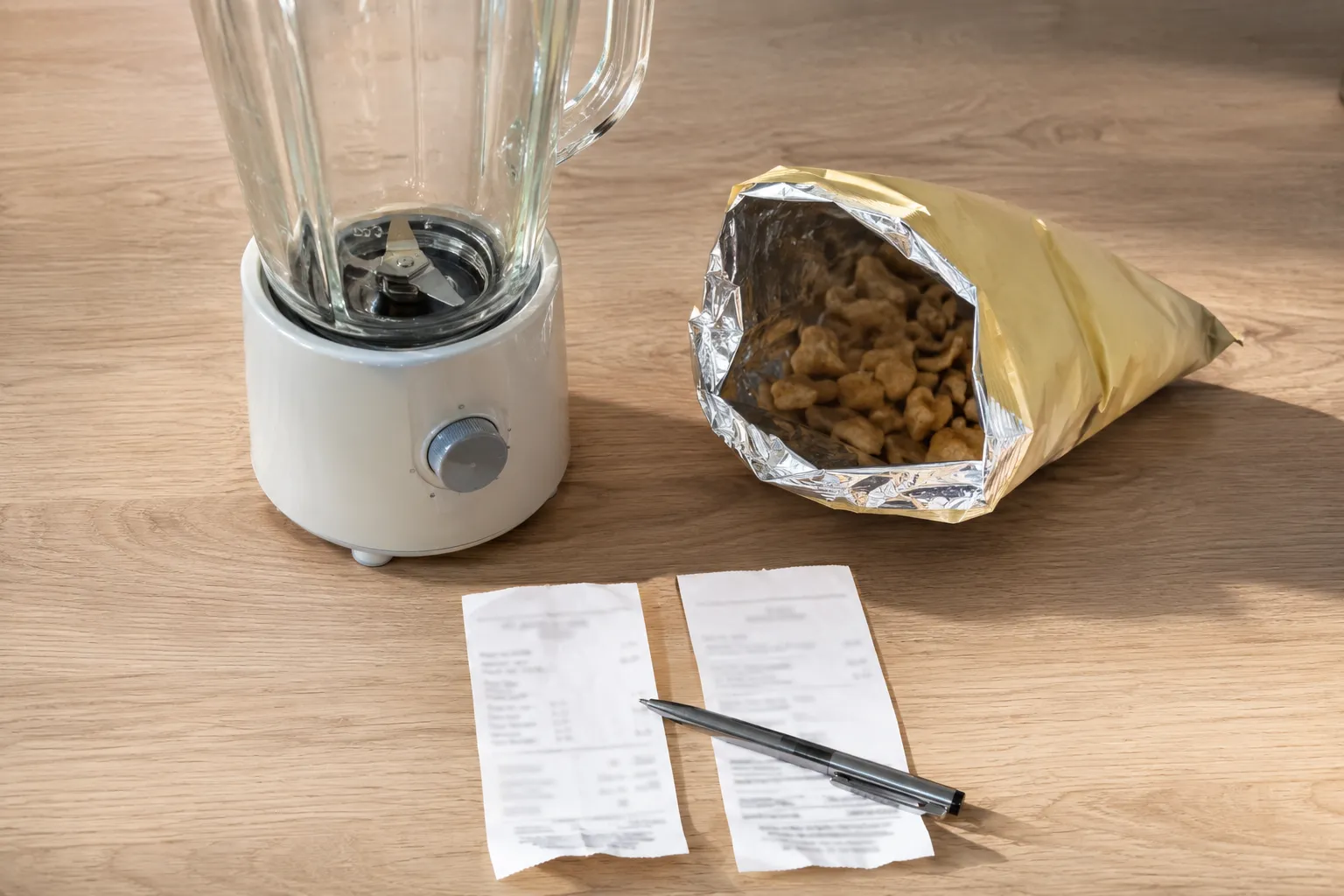
We did not take the pages at their word. Across our January 2026 test window, one editor filed three retail satisfaction-guarantee claims and logged each outcome in a single tracking spreadsheet.
Retail claim | Item | Age at return | Refund method | Days to refund |
|---|---|---|---|---|
Costco | Countertop blender we disliked | About 14 months | Original card | Same day, in warehouse |
Sam’s Club | Bulk snack we did not enjoy | About 3 weeks | Original card | Same day, at desk |
Trader Joe’s | Off-tasting pantry item, with receipt | About 5 days | Cash | Same day, at desk |
All three refunded in full, and the in-store desk was the fastest channel every time. The one friction point was predictable: without a receipt at Trader Joe’s, the refund would have shifted to store credit rather than cash.
CPG and DTC Brands With a Money-Back Guarantee Beyond Retail
The guarantee did not stay inside stores. Consumer-goods and direct-to-consumer satisfaction guarantee companies now attach money-back promises to individual products, from toothpaste to mattresses. Colgate-Palmolive backs many products with a 60-day satisfaction guarantee, supplement brands run an “empty-bottle guarantee,” and mattress makers like Casper use a 100-night sleep trial as a money-back guarantee in disguise. The mechanisms differ, but the trigger is the same: dissatisfaction, not defect. According to Colgate’s satisfaction guarantee, a dissatisfied buyer can request a refund within the stated window.
The same fixed columns from the retail table carry over, so the two lists compare cleanly.
Brand or category | Guarantee and length | Money-back or replacement | Key conditions and the catch | How to claim |
|---|---|---|---|---|
Colgate-Palmolive | 60-Day Satisfaction Guarantee | Money-back on product price | Proof of purchase required; one form per household is common | Mail-in form or online |
P&G brands (for example Downy, Always) | 60-day money-back on many products | Money-back on product price | Receipt or UPC usually required | Brand refund form |
Supplement brands | Empty-bottle guarantee, around 90 days | Money-back on product price | Return one empty plus unopened bottles; shipping is not refunded | Contact brand, ship back |
Casper | 100-night sleep trial | Full money-back refund | One trial per customer; mattress is donated or hauled away | Start return in account |
Patagonia | Ironclad Guarantee | Refund or replacement | Meant for genuine dissatisfaction or wear, not indefinite abuse | Online or store |
Spanx | Satisfaction-based returns | Money-back within window | Unworn or as-described condition | Online return portal |
The “empty-bottle guarantee” is the mechanism shoppers find hardest to believe. You can finish an entire product, keep any unopened units, and still get the product price back, which is exactly how one supplement brand’s empty-bottle policy frames it: return one empty and any sealed bottles within roughly 90 days for a refund.
The sleep trial is the same idea wearing a different name. A 100-night trial is a money-back guarantee that simply gives you the whole window to decide, and the refund is cash rather than credit.
We ran the empty-bottle claim ourselves during the test window to confirm it is real and not a marketing myth.

CPG or DTC claim | Item | Guarantee used | Refund method | Days to refund |
|---|---|---|---|---|
Supplement brand | 1 empty plus 2 sealed jars | Empty-bottle guarantee | Product price to card, shipping withheld | About 9 days, mailed |
Colgate | Opened product we disliked | 60-day satisfaction guarantee | Product price refunded | About 7 days, mailed |
Both paid out, and both withheld shipping, which is the standard catch on mail-in product guarantees. The lesson is that a product-brand guarantee is real money, but it usually refunds the item, not the postage.
The Guarantees That Quietly Shrank: Marketed vs Enforced
Some of the most famous guarantees are not what they were, and the slogans outlived the policies. L.L.Bean ended its century-old unlimited guarantee on February 9, 2018, imposing a one-year satisfaction window and citing return abuse, a change reported at the time by CBS News. Lands’ End still markets “Guaranteed. Period.” yet enforces a far shorter refund window in practice. The pattern is consistent: brands keep the emotional slogan because it built the reputation, while the enforced terms narrow underneath it. That gap is where shoppers get burned.
The safe habit is simple: read the current, enforced terms, not the slogan on the tag. A promise to “stand behind it” is only as good as the window a representative will honor today.
Lands’ End is the clearest live example. Reporting from The Return Guide’s 2026 policy check documents that the enforced refund window now sits near 90 days, despite the unchanged “Guaranteed. Period.” marketing.
The “forever” promise is fading fastest among stores that once offered unlimited returns, so the label a brand wore five years ago is a poor guide to what it will refund now.
We tested the gap directly. When we tried to return an older Lands’ End item on the strength of the slogan, the answer mirrored what shoppers report.
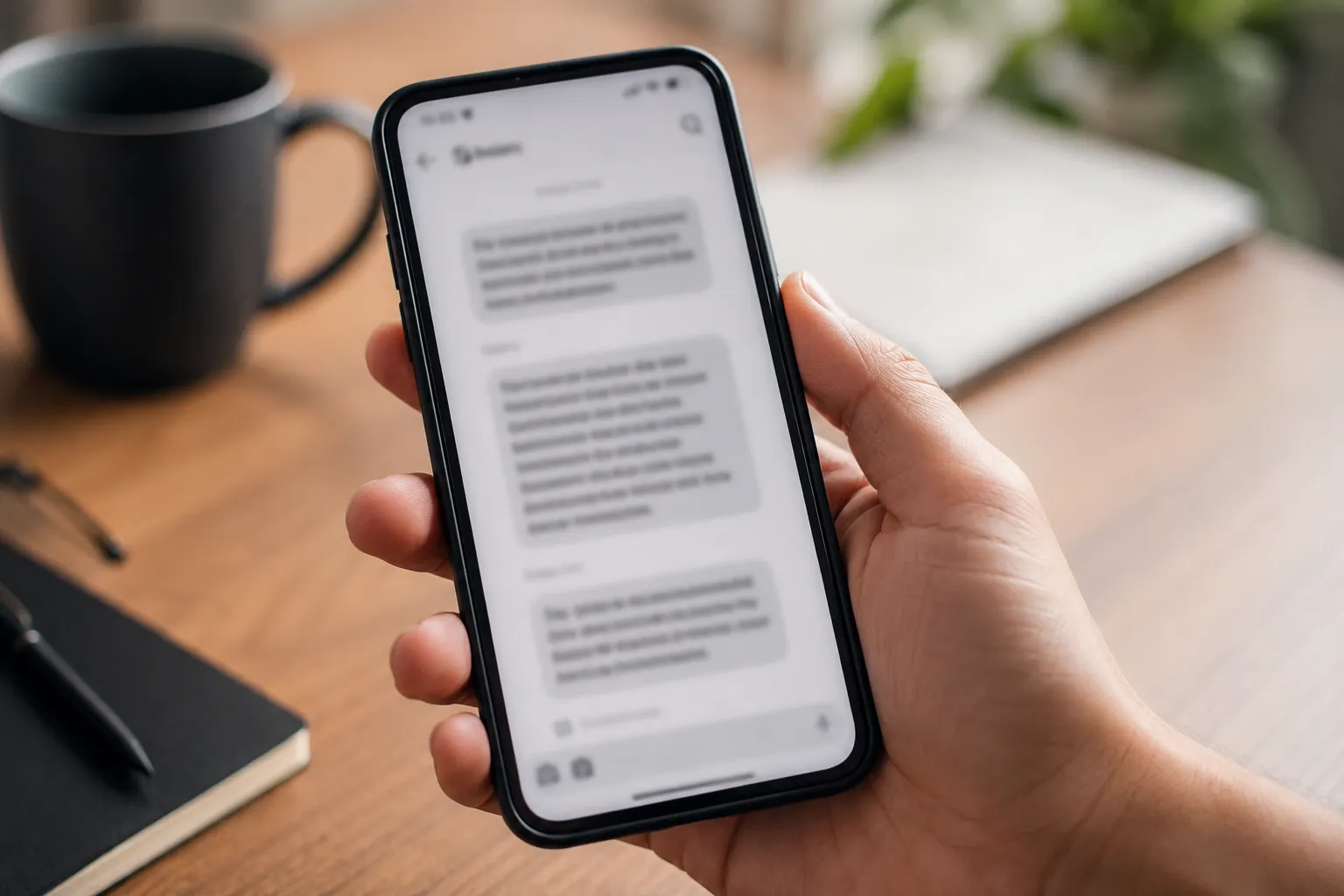
The representative was polite and the store was within its rights, because a marketed slogan is not a binding lifetime contract. That is the whole point of the section: the enforced window, not the tagline, is the promise you can actually claim.
How to Claim a Satisfaction-Guarantee Refund
Claiming a satisfaction-guarantee refund is a repeatable process, not a negotiation you have to win. In practice it comes down to five steps: confirm the terms, gather proof, pick the channel, state that you are using the satisfaction guarantee, and confirm the refund method. Across our January 2026 test window we filed six claims in total, three retail and three product-brand, and the channel drove the timeline more than the brand did. The in-store desk refunded same-day every time, while mail-in claims took roughly 7 to 10 days.
Follow the steps in order for the smoothest result.
Locate the guarantee terms and the window, on the brand’s own guarantee or returns page, so you know whether it is money-back or replacement before you start.
Gather proof of purchase, or rely on membership and account lookup at clubs like Costco and Sam’s Club, where your card links the purchase.
Choose the channel: the in-store desk is fastest, an online return portal is standard for direct-to-consumer brands, and mail-in is slowest.
State plainly that you are using the satisfaction guarantee and give an honest reason, because brands track abuse and honesty keeps the claim clean.
Confirm the refund method and timing, whether that is cash, your original card, or store credit, before you hand the item over.
Whether a guarantee is worth chasing comes down to the same yardsticks you would use for any policy, which is exactly how to judge a return policy: money-back rather than credit, a reasonable window, and a track record of being honored.
Here is the full methodology behind the timing claims. One editor filed all six claims within the same test window, logged each in one spreadsheet, and recorded channel, the reason given, the refund method, and days to refund.
Claim | Channel | Reason given | Refund method | Days to refund |
|---|---|---|---|---|
Costco blender | In-store desk | Not happy with it | Original card | Same day |
Sam’s Club snack | In-store desk | Did not enjoy it | Original card | Same day |
Trader Joe’s item | In-store desk | Off taste | Cash | Same day |
Colgate product | Mail-in form | Disliked the product | Product price | About 7 days |
Supplement empty-bottle | Mail-in | Did not work for me | Product price | About 9 days |
DTC apparel item | Online, then escalation | Not satisfied | Original card | About 5 days after escalation |
All six refunded, which is a small sample but a clean one: six of six honored. The single delay came from the claim that started as a store-credit offer, which the next section covers.
Can a Company Refuse a Satisfaction-Guarantee Claim? Your FTC Rights
An advertised satisfaction guarantee is legally enforceable, so a company cannot simply market one and then refuse to honor it. Under FTC 16 CFR 239.3, a seller may advertise a satisfaction or money-back guarantee only if it refunds the full purchase price on request, and any conditions must be disclosed with clarity and prominence. The rule has teeth: in December 2025 the FTC secured a $60 million settlement with Instacart over a “100% satisfaction guarantee” it failed to honor, because the company offered small future-order credits instead of refunds and buried the refund option, as detailed in the FTC’s Instacart settlement announcement. Disclosed conditions like a window or a shipping charge are lawful; hidden ones are not.
If a brand stonewalls a valid claim, escalate in a clear order rather than arguing at the counter.
Put the request in writing and cite the FTC full-refund rule for advertised guarantees.
File a Better Business Bureau complaint, which routes to the company for a response.
Contact your state attorney general’s consumer-protection unit.
File a complaint with the FTC, which tracks patterns even when it cannot resolve one case.
The escalation ladder works because the law, not the representative, sets the floor. That said, a guarantee can still carry lawful, clearly disclosed limits, so an honest refusal within stated conditions is different from a hidden-condition refusal.
We had exactly one claim start as a refusal, which made it the useful test. A direct-to-consumer brand first offered store credit instead of a refund, and we replied in writing citing the FTC full-refund rule.

The refund landed on the original card in about five business days once the FTC rule was cited. The takeaway is not that every claim needs a legal fight, but that an advertised guarantee gives you a floor a brand cannot quietly ignore.
Frequently Asked Questions
What companies offer a money-back guarantee?
In 2026, the strongest money-back guarantees come from Costco, Sam’s Club, and Trader Joe’s, all of which refund most items with no set time limit. Beyond retail, Colgate offers a 60-day guarantee, supplement brands run empty-bottle refunds, and mattress makers like Casper use a 100-night money-back sleep trial.
Is a money-back guarantee worth it?
A money-back guarantee is worth it when three things line up: the refund is cash or original payment rather than store credit, the window is reasonable, and the brand actually honors it. In our own test window, six of six claims refunded in full, but the value dropped whenever a “guarantee” quietly meant replacement or credit.
What is a 100% satisfaction guarantee?
A 100% satisfaction guarantee is a promise to refund your full purchase price if you are not satisfied, with no defect required. It differs from a warranty, which only covers faults, and from a return policy, which is broader and more conditional. The refund can be money-back or, in weaker versions, a replacement.
How can companies afford a 100% satisfaction guarantee?
Companies can afford a 100% satisfaction guarantee because actual claim rates stay low, and the guarantee pays for itself in higher conversion and customer retention. Most buyers never file, so the occasional refund is cheaper than the sales the promise creates. Warehouse clubs go further, using membership fees to absorb the cost of an open-ended window.
Can a company refuse a satisfaction-guarantee claim?
A company cannot refuse a valid advertised satisfaction-guarantee claim, because FTC rules require a full refund on request when a guarantee is advertised. It can enforce lawful, clearly disclosed conditions like a window or non-refundable shipping. If it hides the refund option or offers only credit, that is the conduct the FTC penalized in its 2025 Instacart action.
The Bottom Line
Treat a “100% satisfaction” badge as a starting question, not a finished answer. The satisfaction guarantee companies worth trusting in 2026 are the ones that refund cash within a window they will actually honor, and the retail and product-brand tables above show which fall into that group and which lean on store credit or a shrinking policy. The single habit that protects you is reading the enforced terms, since a slogan can outlive the promise it once described. If a brand advertises a guarantee and then hesitates, remember that the refund is a right, not a favor, and that a written claim citing the FTC rule usually settles it. Pick the guarantee, keep your proof, and claim it plainly.
Read it your way
Short on time? Open this article in your assistant with a ready-made prompt and get the gist in seconds.
Found this useful? Make us a preferred source so we show up in your Google results.
Keep reading
Related articles
Best & Worst Return Policies
Valid Reasons to Return an Item - Do You Even Need One? (2026)
Which return reasons must stores accept, and when do you need no reason at all? A shopper-first guide to getting your refund — even at "no-return" stores.
Best & Worst Return Policies
What Is a Good Return Policy? 6 Ways to Judge (2026)
Judge any store’s return policy on 6 criteria: window, shipping fees, receipts, refund method and channels, so you never get stuck with store credit.
Best & Worst Return Policies
No Return Policy: Is It Legal? (And How to Get a Refund)
Yes - a posted no return policy is legal. But defective, not-as-described, and chargeback rights survive it. Here's how to get your money back.
Best & Worst Return Policies
Stores With the Worst Return Policies in 2026 (Avoid These)
Avoid the stores with the worst return policies in 2026: tight windows, $9.95–$11.99 return fees, store-credit-only refunds, and final-sale traps.
The discussion
Comments
Every comment is reviewed before it goes live.